Hormuz Tanker Traffic Slows as US-Iran Tensions Spike Oil Prices
Renewed US-Iran fighting over the Strait of Hormuz has rattled energy markets, driving crude oil up more than 7% this week.
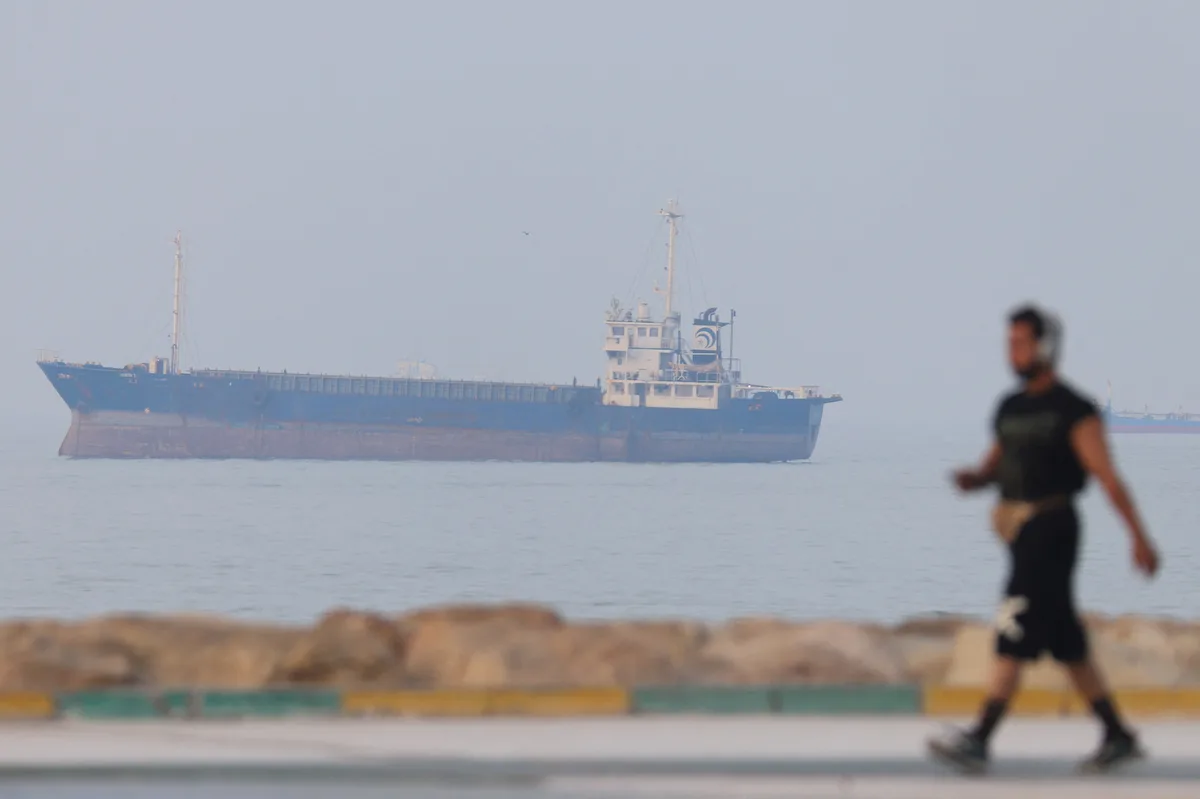
The Strait of Hormuz, the narrow chokepoint through which a substantial share of the world's seaborne oil passes, is once again at the center of a geopolitical flashpoint. Tanker traffic through the waterway has slowed measurably following Iranian attacks that triggered a fresh round of direct confrontation with the United States, unsettling energy markets and reigniting fears about a prolonged disruption to global oil supply.
Crude oil prices have surged more than 7% this week alone, a sharp move that reflects how quickly investor sentiment can pivot when the security of a critical energy corridor is called into question. The Hormuz strait is not merely a regional concern — it functions as a pressure valve for global petroleum flows, and any sustained restriction on shipping there carries consequences for consumers and economies far beyond the Middle East.
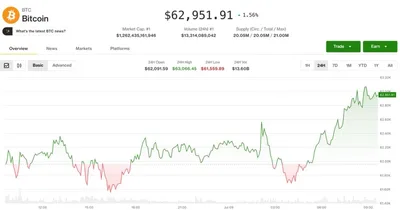
Read more Crypto Markets Hold Steady Amid Middle East Tension Flare-Up →
The renewed fighting raises a question that analysts have wrestled with for decades: how vulnerable is the world's oil infrastructure to a concentrated military standoff in this single, irreplaceable passage? Unlike pipeline disruptions or refinery outages, a blockade or sustained threat at Hormuz cannot easily be rerouted. Alternative shipping lanes exist but are far more costly and time-consuming, meaning even a partial slowdown compounds quickly into meaningful supply pressure.
For markets, the immediate concern is less about an outright blockade and more about the risk premium that uncertainty commands. When shipping companies and insurers perceive elevated danger, rates climb, voyages are delayed or diverted, and the effective cost of every barrel moving through the region rises. That dynamic alone is sufficient to push benchmark prices higher even before a single additional barrel is physically withheld from the market.
The situation remains fluid, and the trajectory of US-Iran hostilities will likely determine whether this week's price rally represents a temporary spike or the opening move in a more sustained energy shock. Continue reading at US Top News and Analysis.