Crypto Markets Hold Steady Amid Middle East Tension Flare-Up
Digital assets showed resilience as renewed geopolitical stress tested investor risk appetite, defying typical flight-to-safety patterns.
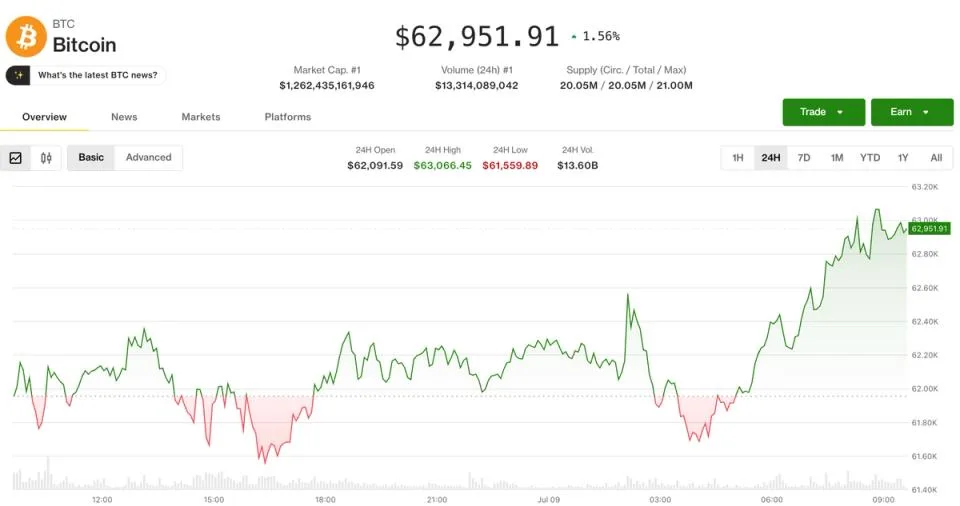
Cryptocurrency markets demonstrated notable staying power in the face of escalating Middle East tensions, resisting the kind of sharp selloffs that have historically accompanied sudden geopolitical shocks. The resilience stands as a meaningful data point in the ongoing debate over whether digital assets are maturing into a distinct asset class with its own internal logic, or whether they remain tethered to broader macro sentiment.
Traditionally, risk assets — equities, commodities tied to growth, and speculative instruments — tend to retreat when conflict headlines emerge and investors pivot toward perceived safe havens like U.S. Treasuries, the Japanese yen, or gold. The fact that crypto held its ground suggests either a shift in how institutional and retail participants are categorizing these assets, or that the market had already priced in a degree of geopolitical uncertainty.
Read more Bitcoin ETF and Private Credit Outflows Signal Growing Market Stress →
The episode also raises a broader question about crypto's evolving narrative. Bitcoin, in particular, has at various points been pitched as "digital gold" — a store of value uncorrelated to traditional markets. Periods of resilience during geopolitical stress lend some credence to that framing, though the asset class has also shown a strong tendency to track risk-on sentiment during equity market turbulence, complicating any clean categorization.
What remains clear is that the crypto market's reaction function continues to evolve. As institutional participation deepens and the regulatory environment in the U.S. and globally becomes better defined, the way digital assets respond to macro and geopolitical shocks will likely keep shifting — making each stress-test episode worth watching closely.
Continue reading at CoinDesk.