Ford Rehires 350 Engineers After AI Falls Short on Quality Control
Ford's attempt to automate quality control with AI hit a wall, prompting the automaker to bring back hundreds of veteran engineers.
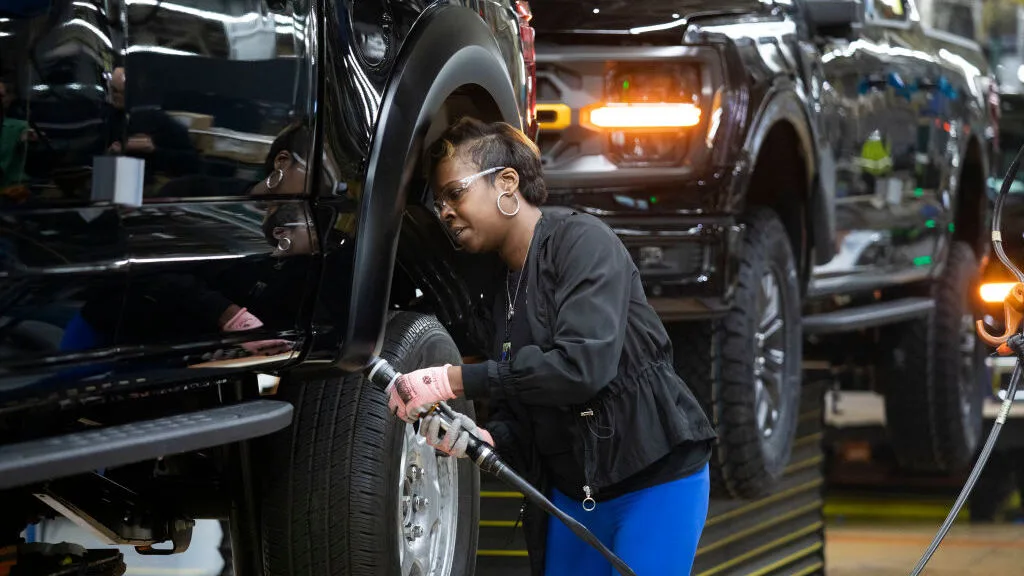
Ford Motor Company has quietly reversed course on a technology-first approach to manufacturing quality control, rehiring approximately 350 veteran engineers after discovering that artificial intelligence tools were not capable of replacing the institutional knowledge those workers carried. The move signals a broader reckoning inside one of America's oldest automakers about where machine learning currently succeeds — and where it conspicuously fails.
The decision reflects a tension that has been building across heavy industry: AI systems excel at pattern recognition within well-defined parameters, but struggle with the contextual, experience-driven judgment that seasoned engineers apply when diagnosing subtle defects or anticipating systemic failures on a production line. Ford's experiment appears to have underscored that gap in a costly and practical way.
Read more Qualcomm Acquisition Rumors: What a Startup Deal Could Mean →
Bringing back 350 specialists is not a trivial operational pivot. It represents a meaningful labor commitment and an implicit acknowledgment that the company may have moved too aggressively in drawing down its experienced workforce in favor of automated solutions. For an industry already navigating supply chain volatility and the enormously complex transition to electric vehicles, quality control is not an area where experimentation with unproven systems is easily absorbed.
The episode offers a cautionary data point for manufacturers broadly. Investment in AI for industrial applications has surged in recent years, with automakers among the most enthusiastic adopters. Yet Ford's experience suggests that deploying AI as a wholesale replacement for domain expertise — rather than as a tool that augments it — can introduce new vulnerabilities rather than eliminate existing ones. The smarter strategic frame may be human-AI collaboration, not substitution.
Continue reading at Yahoo Finance