Surging Protein Demand Is Outpacing Dairy Industry Supply
America's appetite for whey protein is overwhelming dairy producers as diet trends shift and GLP-1 drug use expands rapidly.
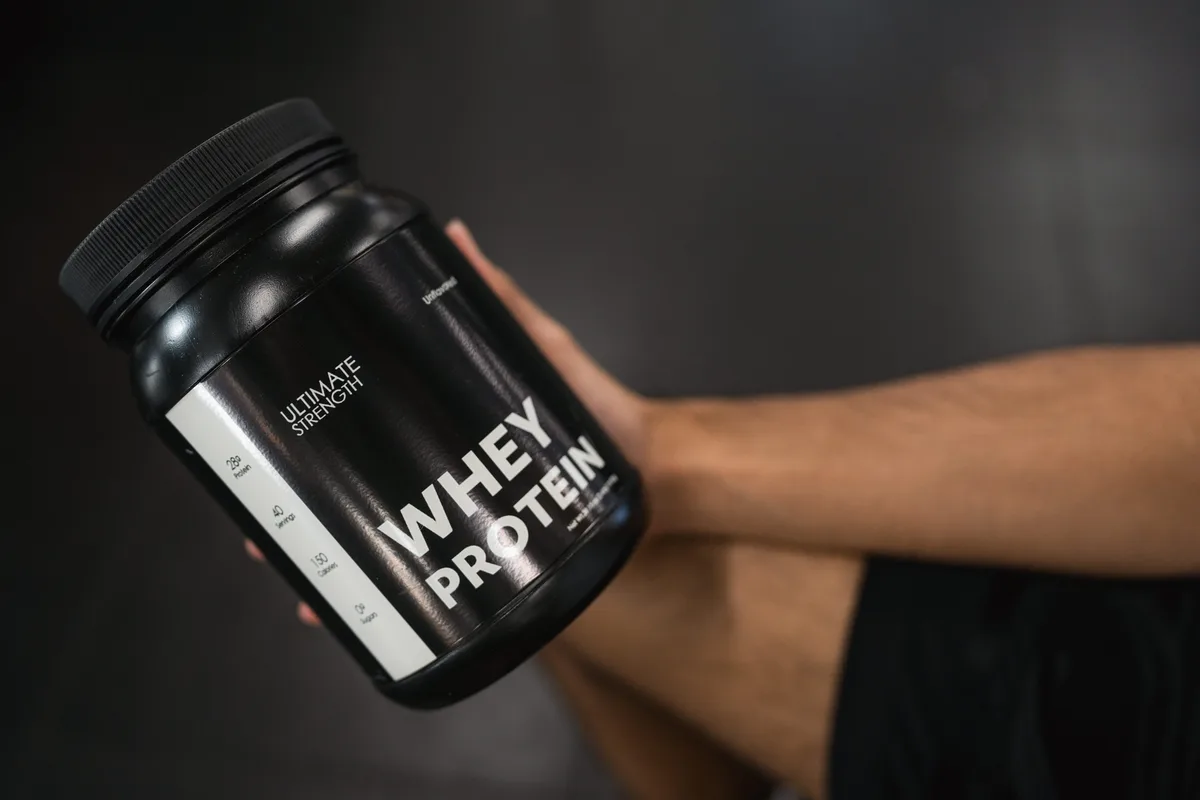
A confluence of cultural and pharmaceutical forces is pushing American protein consumption to unprecedented levels, and the dairy sector is finding itself structurally unprepared for the surge. Whey protein — a byproduct of cheese manufacturing — has become the backbone of a booming supplement market, and processors simply cannot scale fast enough to satisfy demand.
The GLP-1 drug phenomenon is a significant accelerant here. As millions of Americans adopt medications like semaglutide for weight management, many are simultaneously prioritizing high-protein diets to preserve muscle mass during rapid weight loss. That behavioral shift, layered on top of already robust fitness and wellness trends, has created a demand curve that few in the dairy supply chain anticipated at this magnitude or pace.
Read more Qualcomm Acquisition Rumors: What a Startup Deal Could Mean →
The structural challenge for dairy producers is notable: whey is not a standalone product. Its output is tied directly to cheese production volumes, meaning processors cannot simply dial up whey supply without a corresponding increase in cheese manufacturing. That interdependency creates a genuine bottleneck — one that market incentives alone may struggle to resolve quickly, given the capital-intensive nature of dairy infrastructure.
The broader implication is that American dietary culture, increasingly oriented around protein as a macro-nutrient cornerstone, is colliding with legacy agricultural supply chains that were never designed for this kind of demand velocity. Whether the industry responds through expanded capacity, alternative protein integration, or pricing adjustments remains an open and consequential question for both producers and consumers.
Continue reading at US Top News and Analysis