Fed Nominee Warsh Vows 'Regime Change' to Fight Inflation
Kevin Warsh pledged to overhaul Federal Reserve monetary policy, calling persistent inflation a 'tax' harming ordinary Americans.
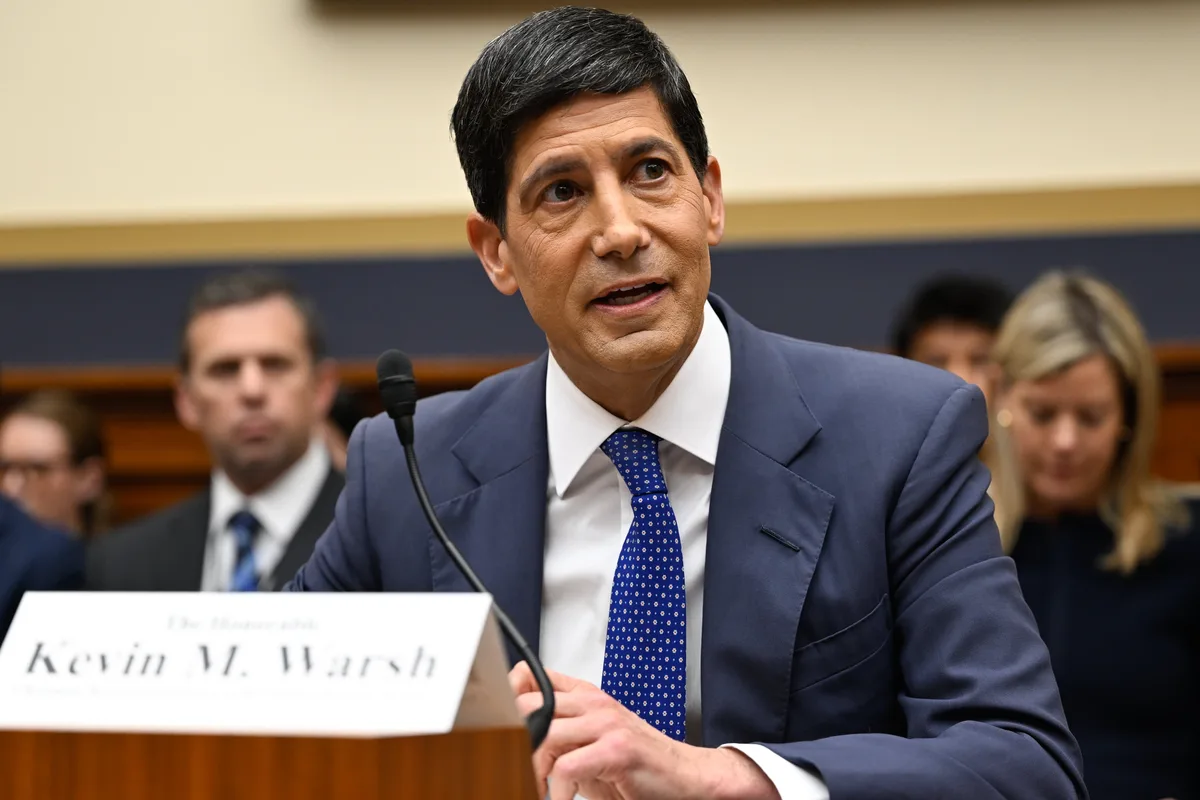
Kevin Warsh, tapped to lead the Federal Reserve, made clear this week that he envisions a fundamental shift in how the central bank approaches monetary policy — language that signals potential tension with the institution's current leadership and operating philosophy. Speaking Tuesday, Warsh framed his nomination not merely as a leadership change but as the beginning of what he called a policy "regime change."
At the heart of his remarks was a pointed critique of inflation, which he characterized as a hidden "tax" on American households. The framing is deliberate and politically resonant: by casting price instability as a burden imposed on ordinary people rather than an abstract macroeconomic variable, Warsh is aligning himself with a populist frustration that has defined much of the post-pandemic economic debate. The Fed has struggled with elevated inflation for roughly five years, a period that eroded consumer purchasing power and drew sustained criticism from lawmakers on both sides of the aisle.
Read more China June Exports Jump 27%, Fastest Pace Since 2021 →
Warsh's pledge to "get monetary policy right" is short on specific mechanics but long on intent. For Fed watchers, the phrase "regime change" carries significant weight — it implies dissatisfaction not just with recent rate decisions but with the broader frameworks, communication strategies, and institutional culture that governed the Fed's pandemic-era response and its delayed pivot to tightening. Whether that translates into concrete policy shifts, such as revisiting the Fed's flexible average inflation targeting framework adopted in 2020, remains to be seen.
The nomination also raises questions about Fed independence, a principle markets treat as a prerequisite for credibility. A chair who enters office promising structural transformation may face scrutiny over whether such changes are driven by sound economics or political pressure. Investors and analysts will be watching early signals closely, particularly around how Warsh positions himself relative to the sitting board of governors.
Continue reading at US Top News and Analysis