China June Trade Data Surges on AI Demand and Tariff Rush
China's exports jumped 27% and imports surged 36% year-on-year in June, blowing past forecasts as AI tech demand and tariff front-loading drove historic gains.
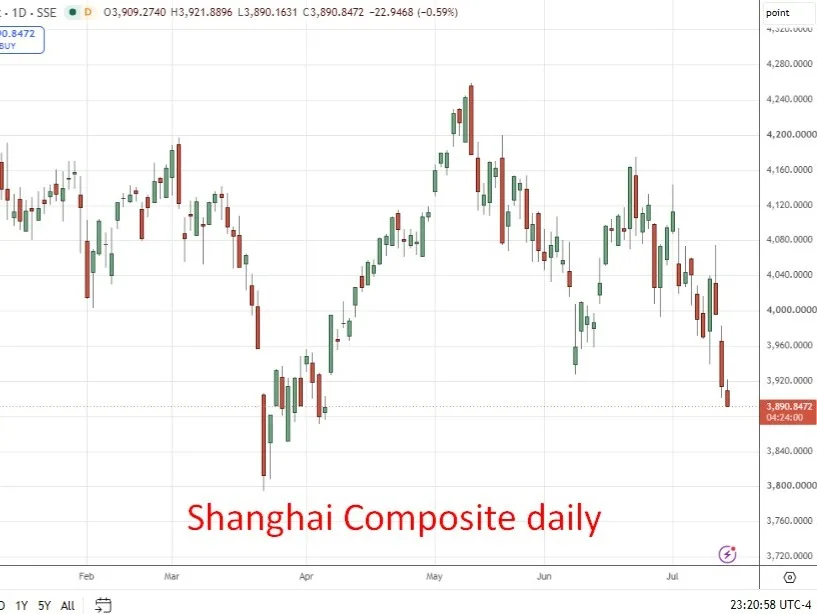
China's June trade figures delivered one of the most decisive beats of analyst expectations in recent memory, with exports rising 27% year on year — the strongest pace since 2021 — against a consensus forecast of just 18.2%. Imports climbed an even more striking 36%, a five-year high, compared with projections of 24% growth. The resulting trade surplus of roughly $125.6 billion surpassed both May's $105.4 billion and market expectations of around $121 billion, leaving economists to recalibrate their near-term outlook for the world's second-largest economy.
Three forces appear to have converged to produce the outperformance. Robust global appetite for AI-related semiconductors and technology components gave Chinese manufacturers a meaningful demand tailwind. At the same time, exporters moved to front-load U.S.-bound shipments in anticipation of potential new American tariffs, while aggressive pricing strategies by Chinese firms helped capture additional market share. Together, these dynamics suggest the AI investment supercycle is having a more pronounced effect on Chinese trade flows than the consensus had modeled.
Read more China June Exports Jump 27%, Fastest Pace Since 2021 →
The import surge may ultimately prove the more analytically significant figure. A five-year high in inbound goods points to firmer domestic demand for industrial inputs and components than markets had been pricing in — a meaningful data point for the broader debate about the resilience of China's growth engine. Yet the picture is complicated by a near-decade low in crude oil imports, a contradiction that resists any simple narrative about the health of underlying Chinese consumption.
With China scheduled to release its second-quarter GDP reading on Wednesday, the June trade print raises the bar for that figure considerably. The economy continues to face genuine structural headwinds — a prolonged property sector slump, falling factory-gate prices, and persistent uncertainty in the global trade environment — but the near-term data increasingly suggests those drags are being partially offset by technology-driven export momentum and selective import strength. Analysts will be watching Wednesday's GDP number to determine whether June's trade surge signals a durable inflection or a front-loaded anomaly.
Continue reading at Forexlive.