Brazil Tightens Meat Export Controls to Meet EU Antimicrobial Rules
Brazil's government is adjusting its meat export regulations to comply with the European Union's strict antimicrobial resistance standards.
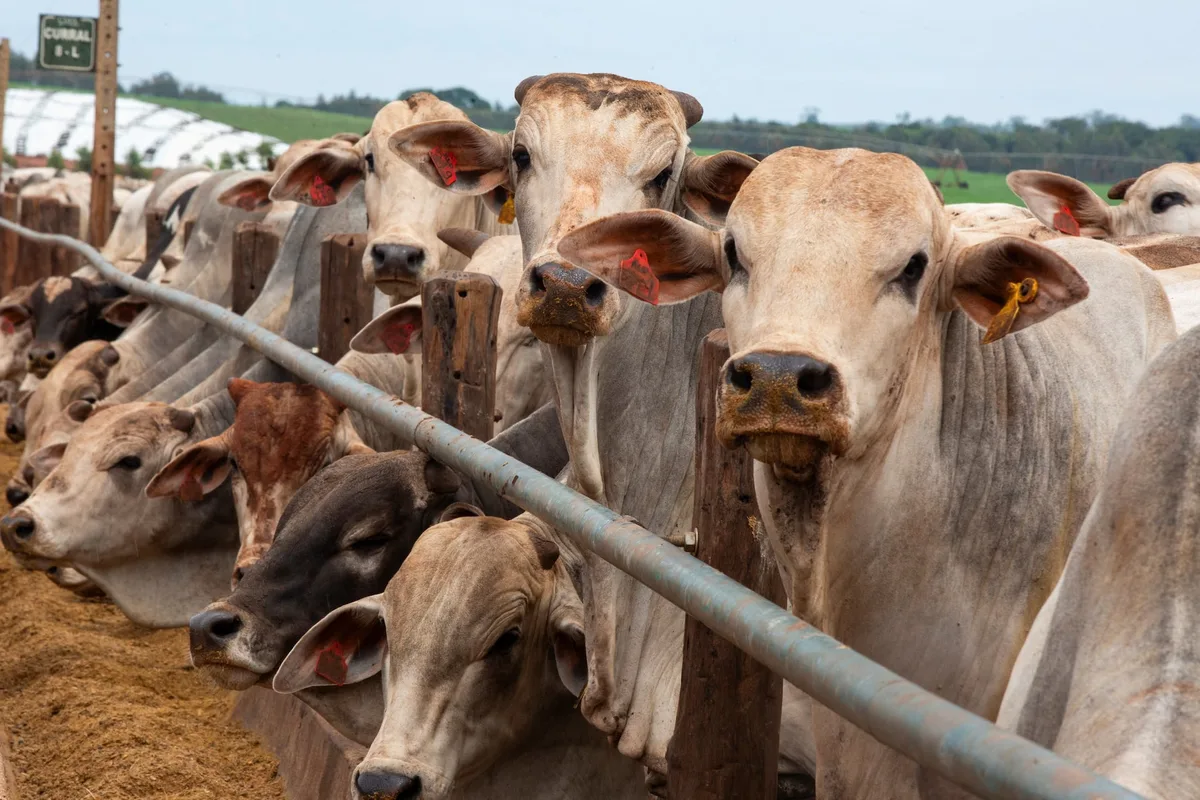
Brazil is recalibrating its meat export control framework to satisfy increasingly stringent European Union requirements around antimicrobial resistance — a regulatory shift that signals both the growing global weight of EU food safety standards and the economic stakes for one of the world's largest beef and poultry exporters.
The EU has been tightening its rules on antimicrobial use in livestock as part of a broader effort to combat the spread of antibiotic-resistant bacteria, a public health concern that has drawn sustained attention from international health bodies. For Brazil, whose agricultural sector is a cornerstone of its export economy, falling short of these benchmarks would risk losing preferential access to one of its most lucrative markets.
Read more Trump Defends Family Crypto Profits Amid Ethics Questions →
The Brazilian government's decision to adjust its export controls reflects a pragmatic calculation: aligning domestic regulatory practice with EU demands is less costly than jeopardizing trade flows. The move also underscores a wider dynamic playing out across global agriculture, where the EU's regulatory framework increasingly functions as a de facto international standard, compelling major suppliers to adapt their practices regardless of their own domestic rules.
While the specific technical adjustments have not been detailed in publicly available information, the direction of travel is clear — Brazil's meat industry will face tighter oversight of antimicrobial use throughout the production chain, from farm-level husbandry practices to export certification. Industry compliance will be essential, as the EU has demonstrated a willingness to restrict or ban imports from countries that do not meet its phytosanitary and veterinary standards.
The episode illustrates how trade policy and public health regulation are becoming ever more intertwined, with market access increasingly contingent on meeting the health and environmental benchmarks set by major importing blocs. Continue reading at reuters_com.