Boeing, Lockheed and Oracle Back Trump's Freedom 250 Celebration
Major federal contractors are sponsoring Trump's America 250th birthday initiative, raising questions about business interests and political alignment.
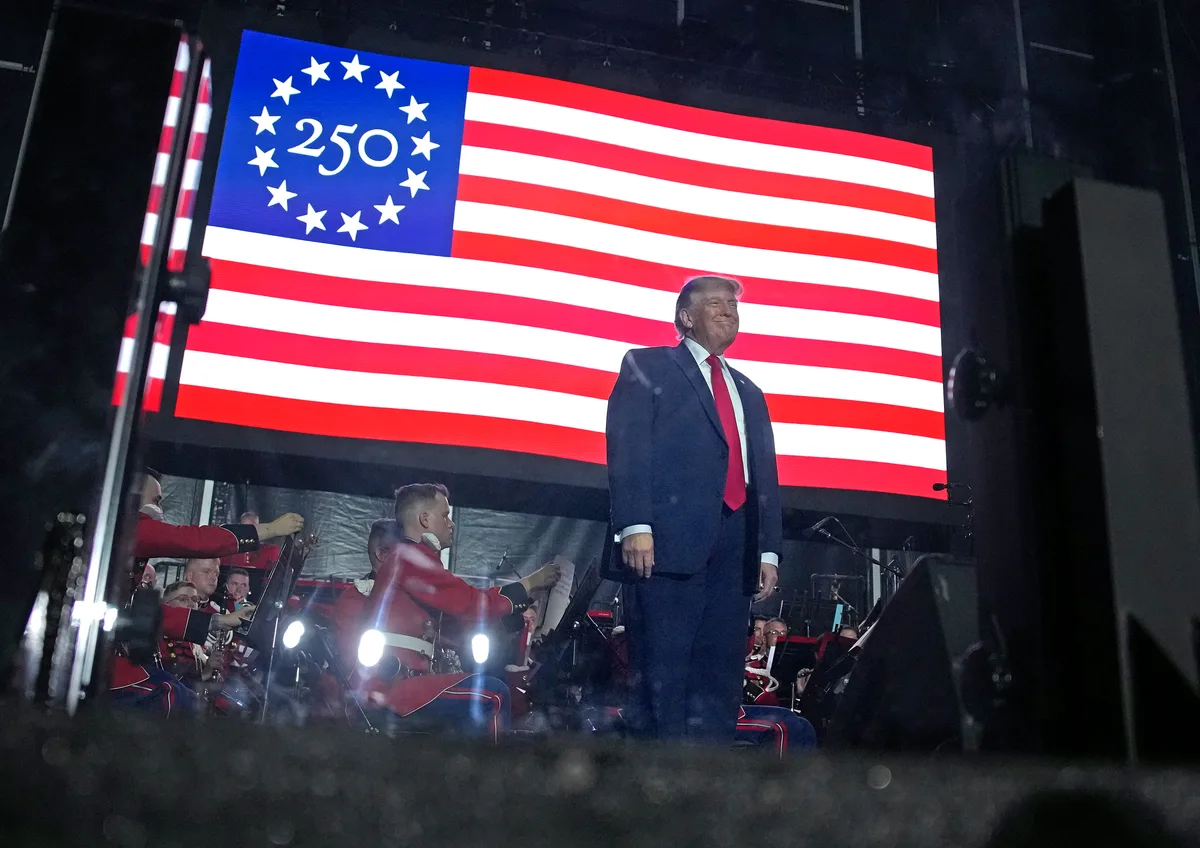
A constellation of corporations with significant federal contracts and regulatory interests has signed on as sponsors of Freedom 250, a Trump-aligned initiative marking the United States' 250th anniversary. Among the confirmed backers are defense and aerospace giants Boeing and Lockheed Martin, alongside enterprise technology firm Oracle — companies whose financial fortunes are closely intertwined with decisions made inside the very administration the event celebrates.
The overlap between corporate sponsorship and federal business relationships is drawing scrutiny. Boeing and Lockheed Martin are two of the Pentagon's largest prime contractors, routinely competing for multibillion-dollar defense procurement awards. Oracle, meanwhile, has aggressively pursued government cloud computing contracts in recent years. For all three, maintaining goodwill with the current administration carries concrete financial stakes beyond ordinary civic participation.
Read more Trump Defends Family Crypto Profits Amid Ethics Questions →
The arrangement reflects a broader pattern that has become more visible in the current political environment: corporations leveraging philanthropic or celebratory sponsorships as a form of soft political engagement. Unlike direct lobbying, event sponsorships operate in a gray zone — they generate goodwill and visibility without triggering the same disclosure requirements as formal political contributions. Critics argue this blurs the line between patriotic commemoration and transactional politics.
What distinguishes Freedom 250 from routine anniversary programming is its explicit alignment with the Trump brand at a moment when the administration holds enormous sway over regulatory approvals, contract awards, and trade policy. For companies navigating that landscape, a sponsorship check can function as both a marketing expense and a form of institutional positioning — a calculation that appears to have resonated with some of America's most prominent federal vendors.
Continue reading at US Top News and Analysis.