Why the Stock Market and Economy Look Out of Step
AI-driven market euphoria has pushed stocks higher while the broader U.S. economy grows more slowly, exposing a persistent disconnect.
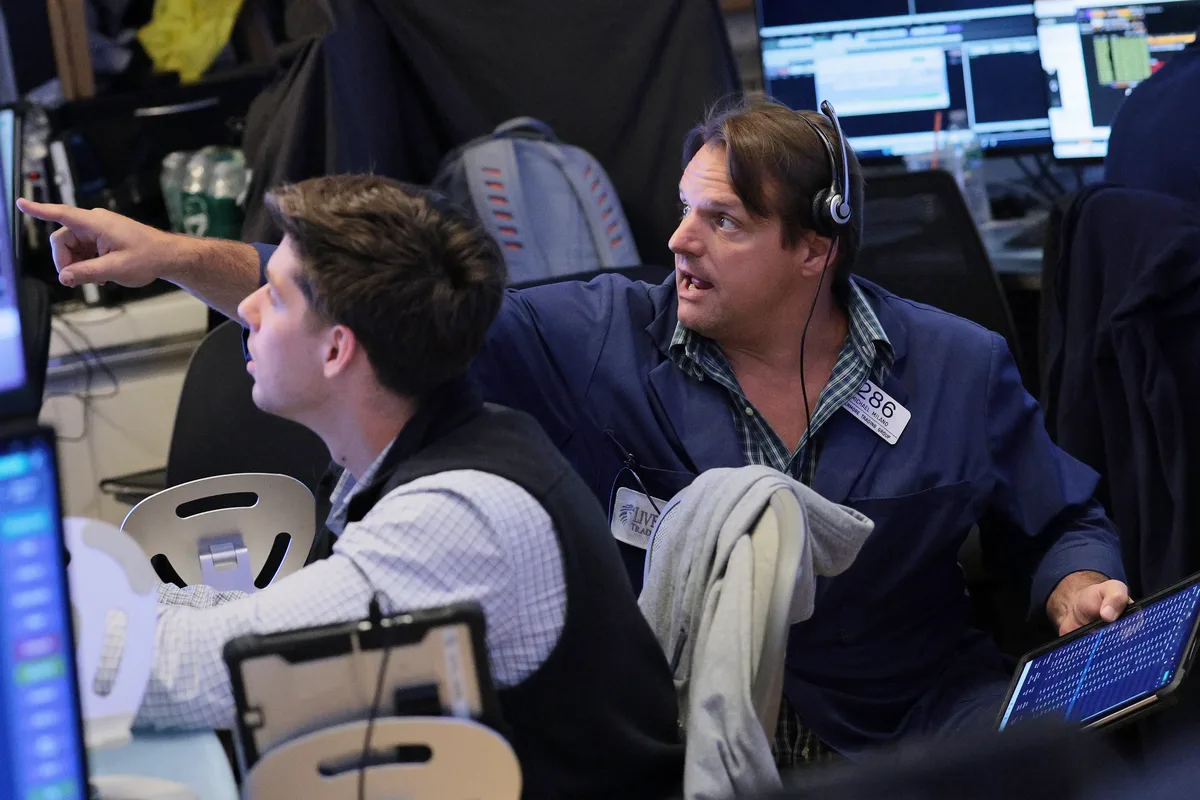
The roaring performance of U.S. equity markets and the comparatively sluggish pace of the broader economy have left many observers puzzled — and for good reason. The two measures, often treated as proxies for each other in public discourse, are actually tracking very different things, and the gap between them has rarely been more visible than it is today.
Much of the stock market's recent strength traces back to extraordinary enthusiasm around artificial intelligence. Investors have poured capital into companies perceived as winners in the AI race, driving valuations sharply higher and lifting major indexes in the process. This kind of sector-specific euphoria can lift headline market numbers even when the underlying economic fundamentals — wage growth, consumer spending, business investment outside tech — tell a more cautious story.
Read more Fidelity Says Institutional Tokenization Shift Is Irreversible →
Economists point out that the stock market is, by design, a forward-looking mechanism. It prices in expectations about future earnings, not present-day conditions. When a transformative technology like AI captures the imagination of investors, equities can surge well ahead of any measurable impact on GDP or employment. The economy, by contrast, moves on the slower rhythms of supply chains, labor markets, and consumer confidence — none of which respond instantly to a Silicon Valley breakthrough.
The divergence also reflects who owns stocks. Equity wealth is concentrated among higher-income households, meaning a booming market does not automatically translate into broader economic vitality. Workers who rely primarily on wages rather than investment portfolios may experience an economy that feels far more constrained than the headlines suggest, even during a bull market. That asymmetry matters enormously for policymakers trying to read the room on growth and inflation.
Understanding this disconnect is not merely academic — it shapes monetary policy debates, consumer sentiment, and political narratives. A market high does not guarantee economic health, just as a stumbling economy does not necessarily doom equities. Continue reading at US Top News and Analysis.