Why Stock Markets Tend to Rally During Congressional Recesses
Research shows equities perform better when lawmakers are away, as regulatory uncertainty drops sharply during congressional breaks.
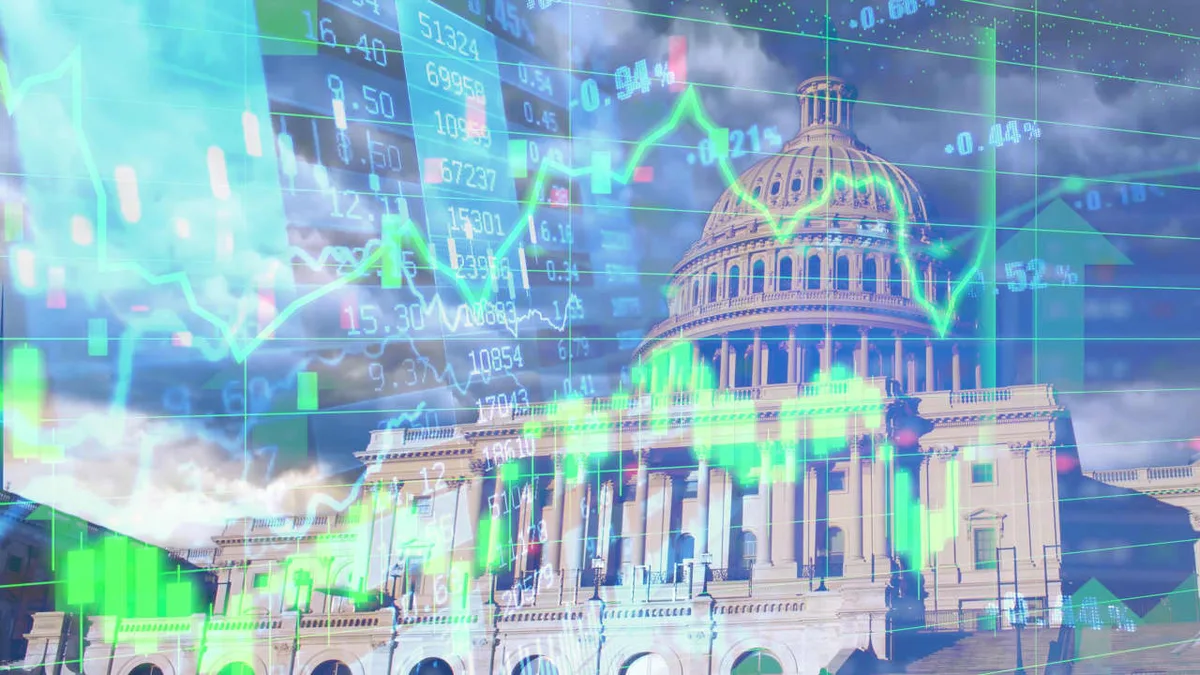
There is a quiet but consistent pattern in American financial markets: stocks tend to perform better when Congress leaves Washington for its summer recess. The underlying logic is less about investor sentiment and more about the structural relationship between legislative activity and market uncertainty. When lawmakers are actively debating, proposing, or passing regulation, businesses and investors face an unpredictable policy environment that gets priced into risk assessments across the board.
The mechanism at work here is regulatory uncertainty — a concept that economists and market strategists have long identified as a drag on equity performance. When companies cannot reliably forecast how pending legislation might alter their tax obligations, compliance costs, or competitive landscape, they tend to pull back on investment and expansion decisions. That collective hesitation weighs on earnings expectations and, by extension, stock valuations.
Read more Regulatory Disclosure Filed on Pollen Street Group Limited →
Conversely, when Congress adjourns and the legislative calendar goes quiet, that cloud of uncertainty temporarily lifts. Investors can price assets based on existing rules rather than speculative future ones. The market, in effect, exhales. This dynamic suggests that the rally associated with congressional recesses is not driven by optimism about the economy, but rather by the temporary removal of a persistent headwind.
The broader implication is striking for how markets are understood. It reframes congressional inactivity not as governmental dysfunction but as a form of stability that markets actively reward. For investors, this pattern raises practical questions about portfolio positioning around known legislative calendars — though, as with any seasonal tendency, the effect is probabilistic rather than guaranteed.
This cyclical relationship between political activity and equity volatility is a reminder that markets are as much political barometers as they are economic ones. The price of uncertainty, it turns out, is something traders pay every time a committee hearing is scheduled. Continue reading at MarketWatch.com