What the $120 Million Coldcard Hack Reveals About Bitcoin Security
A major exploit targeting Coldcard wallets has exposed vulnerabilities in Bitcoin's hardware security layer and stirred activity in its mempool.
A reported $120 million hack involving Coldcard hardware wallets has drawn sharp attention to the security assumptions that underpin Bitcoin self-custody. The incident, surfaced by CoinDesk, is notable not only for its scale but for what it implies about the broader ecosystem of cold-storage solutions that millions of Bitcoin holders rely upon as a last line of defense against theft and loss.
Coldcard devices are widely regarded among the most security-conscious options available to Bitcoin users, favored by technically sophisticated holders who distrust exchange custody. That a breach of this magnitude could occur — or be alleged — involving such a device underscores how no hardware solution is entirely immune to attack vectors, whether those originate in firmware, supply chains, or user-facing operational security failures.
Read more Nomura's Laser Digital Backs ZIGChain in UAE Private Credit Push →
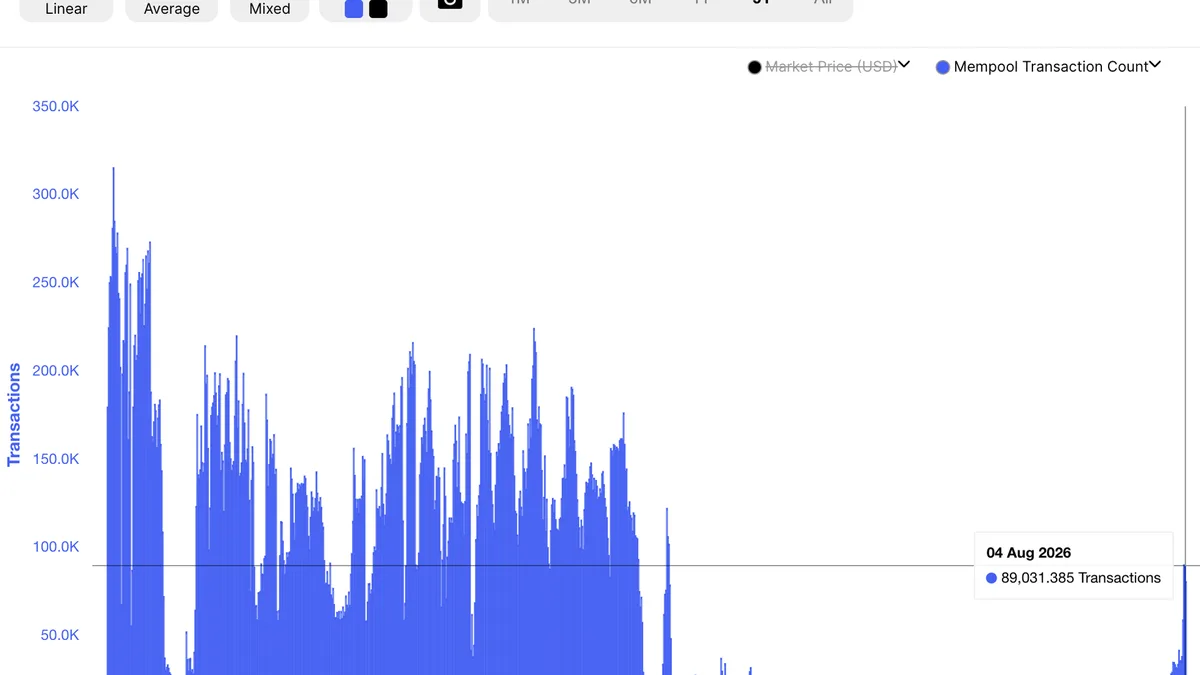
The ripple effects appear to have reached Bitcoin's memory pool, the staging area where unconfirmed transactions queue before miners settle them into blocks. Unusual mempool activity following a large-scale wallet compromise is consistent with an attacker rapidly moving funds across addresses to obscure the trail — a pattern forensic blockchain analysts have documented in previous high-profile thefts. The public, transparent nature of the Bitcoin ledger means such movements are visible, even when the ultimate destination of funds is not immediately clear.
For the broader self-custody community, the episode arrives at a moment of heightened sensitivity around hardware wallet integrity. Security researchers have long cautioned that physical devices create a different but equally serious threat surface compared to software wallets or exchange accounts. The question of whether this incident reflects a flaw in Coldcard's architecture, a targeted attack, or a social-engineering compromise will likely shape how the industry responds and how users reassess their own security postures.
The incident is a sobering reminder that Bitcoin's protocol-level security does not automatically extend to the tools built around it. Continue reading at CoinDesk.