What $300,000 Gets You in The Villages, Florida Real Estate
A $300K budget in The Villages, FL stretches further than most markets, but buyer expectations must align with what the retirement community offers.
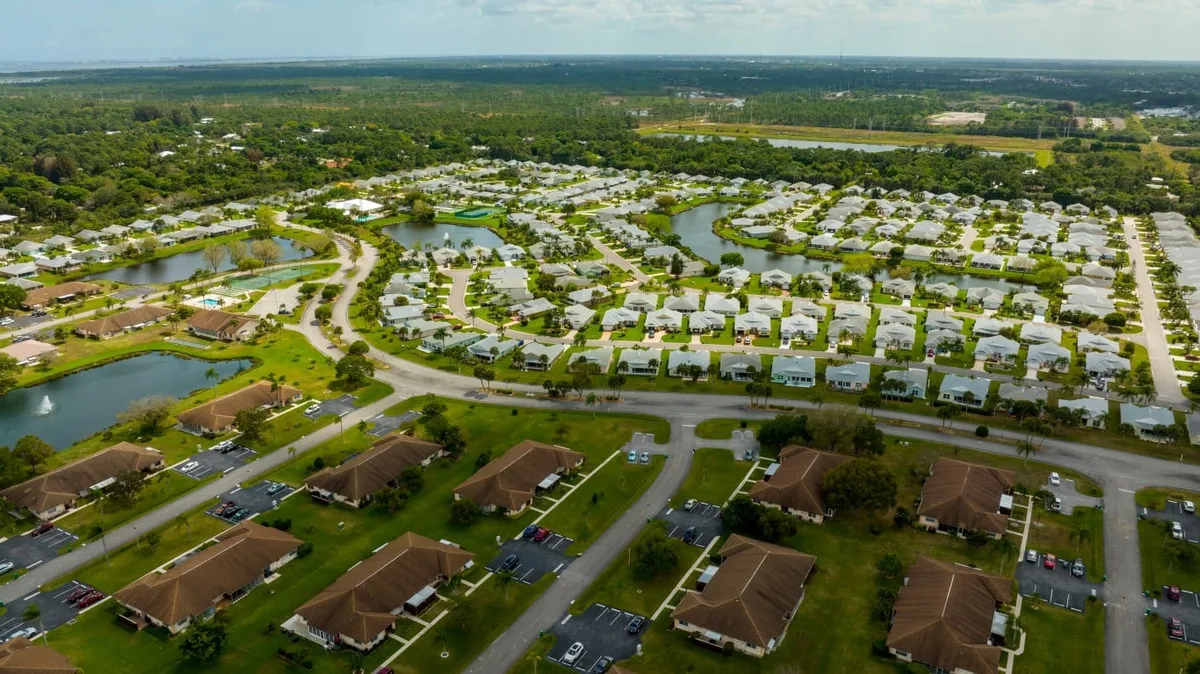
The Villages, Florida has emerged as one of the most closely watched real estate markets in the United States, largely because it defies conventional housing logic. While much of the country grapples with affordability crises that push middle-income buyers to the margins, this master-planned retirement community in central Florida continues to offer relatively accessible entry points — and a $300,000 budget remains a meaningful figure within its borders.
At that price point, buyers in The Villages can realistically expect to find a detached single-family home, often with two to three bedrooms and access to the community's extensive amenity network. The development is famously self-contained, offering golf courses, recreational centers, and a social infrastructure that effectively functions as a small city. That bundle of lifestyle amenities is a significant part of what a buyer is actually purchasing, beyond the physical structure itself.
Read more Should You Buy a Wedding Band From Budget Retailer Quince? →
The analytical lens matters here: $300,000 in The Villages does not represent the same value proposition as $300,000 in, say, suburban Chicago or coastal California. The retirement-community model means that home values are intertwined with demographic demand — specifically, the continued migration of Baby Boomers seeking active-lifestyle communities in Sun Belt states. That demand has kept prices relatively stable and given the market a degree of insulation from broader national volatility.
Prospective buyers should also weigh ongoing costs. Homeowners association fees and community development district assessments are standard in The Villages and can meaningfully affect the true monthly cost of ownership. These fees fund the amenity infrastructure that makes the community attractive in the first place, but they represent a recurring obligation that a purchase price alone does not capture.
For buyers calibrated to what the market actually delivers — a retirement-oriented lifestyle in a highly organized community, with modest square footage and strong social programming — a $300,000 budget can be genuinely competitive. Understanding both the ceiling and the floor of that budget is essential before making one of the largest financial decisions of retirement. Continue reading at Yahoo Finance.