Wells Fargo Shares Slide 3% as Fed Cap and Credit Fears Weigh
WFC dropped 3.19% on July 29 as investors grappled with regulatory constraints, margin pressure, and commercial real estate risk.
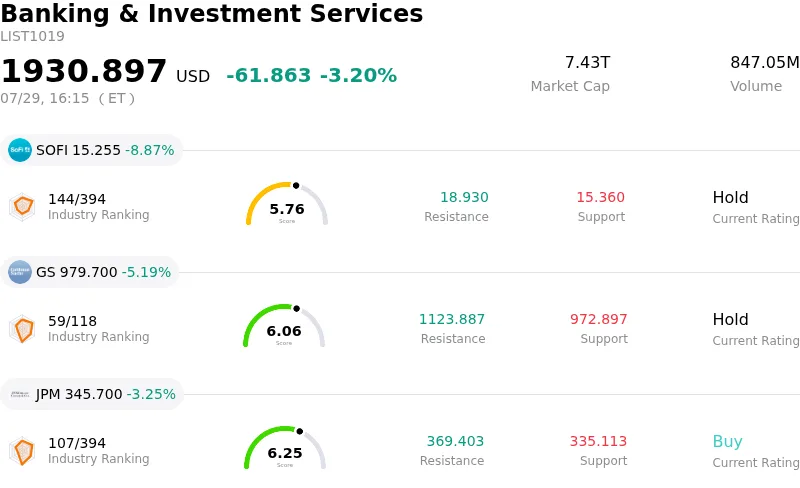
Wells Fargo's stock fell 3.19% on July 29, a decline that reflects more than a single bad session — it captures a confluence of structural pressures that have dogged the bank for years. Chief among them is the Federal Reserve's asset cap, a regulatory constraint imposed in the wake of the bank's consumer scandal that effectively limits how aggressively Wells Fargo can grow its balance sheet relative to peers.
Beyond the regulatory overhang, the bank is contending with margin compression driven by elevated funding costs at a moment when loan demand is softening. That combination is particularly punishing for a lender that depends on spread income: paying more to hold deposits while earning less on new credit is a squeeze that analysts have flagged as a persistent drag through the current rate cycle.
Read more Qualcomm Plans Price Hikes Amid Tightening Memory Supply →
Commercial real estate exposure adds another layer of investor anxiety. As economic momentum slows, CRE portfolios across the banking sector have attracted heightened scrutiny, and Wells Fargo's book is no exception. Concerns about potential credit deterioration in office and other stressed property categories appear to be prompting institutional investors to trim positions rather than wait for clarity.
The selling on July 29 also carried a technical dimension. Portfolio rebalancing by large institutions, combined with momentum-driven selling once key price levels broke, can amplify moves that fundamentals alone might not justify. The result is a stock caught in a negative feedback loop that is difficult to reverse without a concrete positive catalyst.
Analysts see no obvious near-term trigger for recovery. Until the Fed signals progress toward lifting the asset cap — or until rate dynamics shift in ways that ease funding costs — Wells Fargo appears likely to remain range-bound and under pressure. Regulatory resolution remains the single most consequential variable for the bank's medium-term trajectory. Continue reading at TradingKey.