Waymo and Zoox Push Into New U.S. Cities in Robotaxi Race
Waymo is expanding driverless service to three new cities while Amazon's Zoox begins testing in two additional U.S. markets.
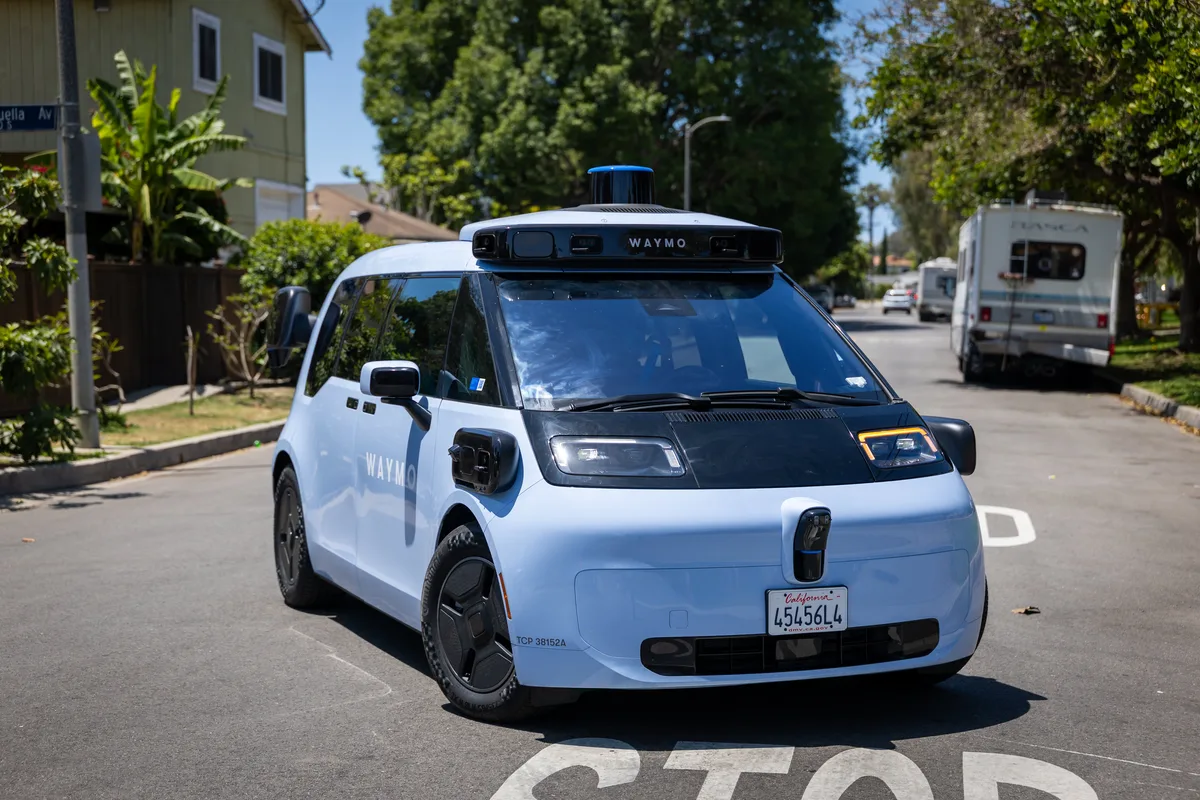
The autonomous vehicle industry is entering a more aggressive expansion phase, with two of its best-funded players moving simultaneously to claim new geographic territory. Waymo, the self-driving subsidiary of Alphabet, is extending its fully driverless ride-hailing service to three additional American cities, while Amazon-backed Zoox is preparing to launch testing operations in two more markets — a coordinated escalation that signals the robotaxi era is no longer confined to a handful of pilot corridors.
The timing matters. Both companies are racing to accumulate the miles, edge cases, and regulatory relationships that will determine long-term dominance in a sector that could eventually reshape urban transportation economics. Each new city brings a different grid layout, weather pattern, and traffic culture, forcing autonomous systems to prove their adaptability rather than simply their performance in familiar environments.
Read more California Resources Finalizes Crimson Resource Acquisition →
For Waymo, the expansion builds on an already operational commercial service in San Francisco and Phoenix — markets where it has spent years refining its sensor stack and routing algorithms without a safety driver behind the wheel. Adding new cities accelerates the data flywheel that underpins machine-learning improvements, but it also multiplies regulatory and public-relations complexity. A single high-profile incident in a new market carries outsized reputational risk at a stage when public trust is still forming.
Zoox's approach through testing — rather than immediate commercial deployment — reflects a more measured posture, though one backed by Amazon's considerable logistical and financial infrastructure. Whether Zoox ultimately targets consumer ride-hailing or integrates autonomous capability into Amazon's broader delivery ecosystem remains a defining strategic question the expansion does not yet answer.
The broader competitive landscape is narrowing: several early robotaxi entrants have already exited or scaled back dramatically, leaving Waymo and Zoox among the best-positioned survivors. Their parallel geographic pushes suggest both companies sense a window to establish network density before the next wave of regulation or a rival breakthrough shifts the terrain. Continue reading at US Top News and Analysis.