VW's Controlling Families Demand Faster Overhaul to Counter China
Volkswagen's dominant shareholders are pressing the automaker to accelerate restructuring as Chinese electric vehicle rivals intensify competitive pressure.
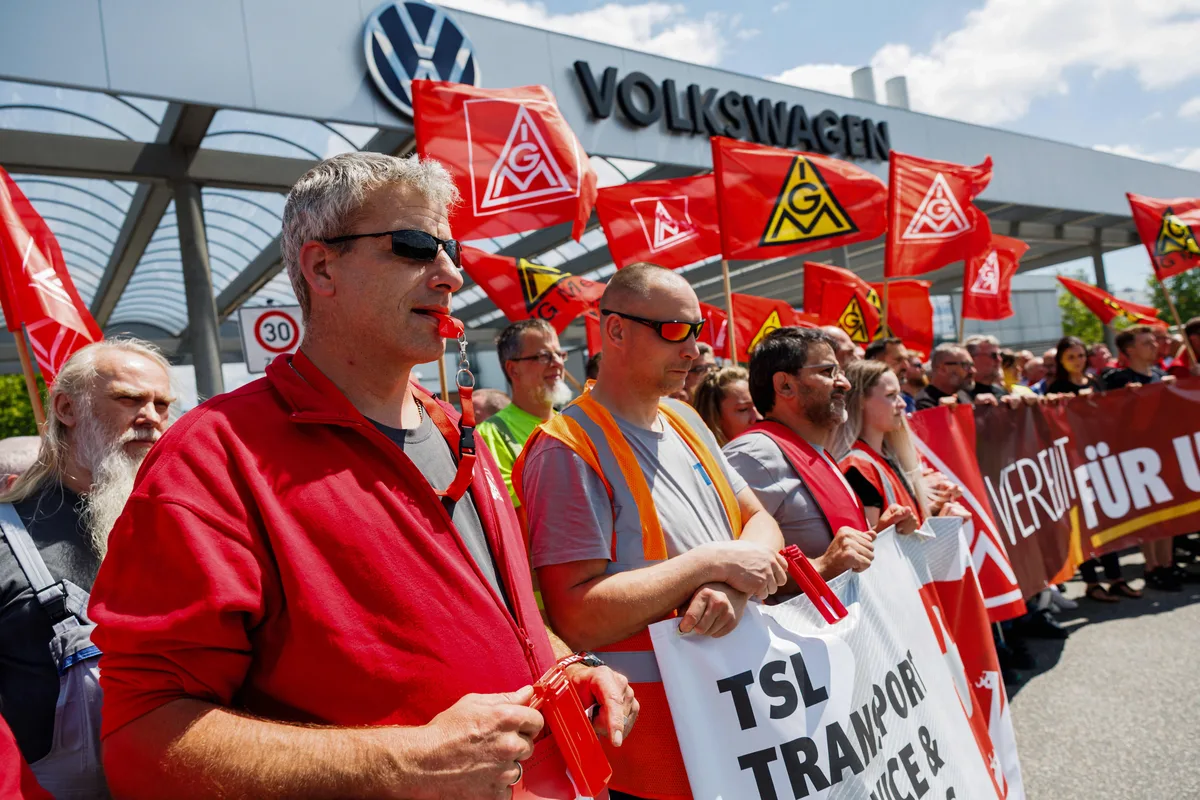
Volkswagen faces mounting pressure from within its own ownership structure, as the controlling families behind Europe's largest automaker demanded urgent action to address the rising competitive threat posed by Chinese car manufacturers. The call signals that patience among VW's most powerful stakeholders is wearing thin, even as the company navigates an already turbulent period of industrial transition.
The urgency behind the families' appeal reflects a broader anxiety gripping legacy Western automakers: Chinese brands, buoyed by lower production costs and rapid advances in electric vehicle technology, have been eroding market share in Europe and globally at a pace that has caught many incumbents off guard. For Volkswagen specifically, which generates a significant portion of its revenue from the Chinese domestic market, the threat is doubly acute — it is being challenged both at home and abroad by the same rivals it once helped nurture.
Read more SEDA Experts Adds Timothy J. Davies as Managing Director →
The demand for a faster overhaul suggests that incremental reform may no longer satisfy VW's ownership bloc, which retains outsized influence over the company's strategic direction. Any meaningful acceleration of restructuring would likely involve difficult decisions around manufacturing capacity, workforce levels, and the pace of electrification investment — all areas where VW has faced friction with labor representatives and national stakeholders in Germany.
Analytically, the intervention by controlling families rather than institutional investors underscores how deeply personal and reputational the stakes have become. These are dynastic shareholders with generational ties to the brand, and their public call for speed rather than caution marks a notable shift in tone. Whether management can translate that urgency into decisive operational change — without triggering broader industrial unrest — remains the defining question for the company's near-term trajectory.
Continue reading at US Top News and Analysis.