USPS Raises Stamp Prices Again: A History of Postage Hikes
The U.S. Postal Service raises stamp prices again on July 12, marking the eighth increase in five years.
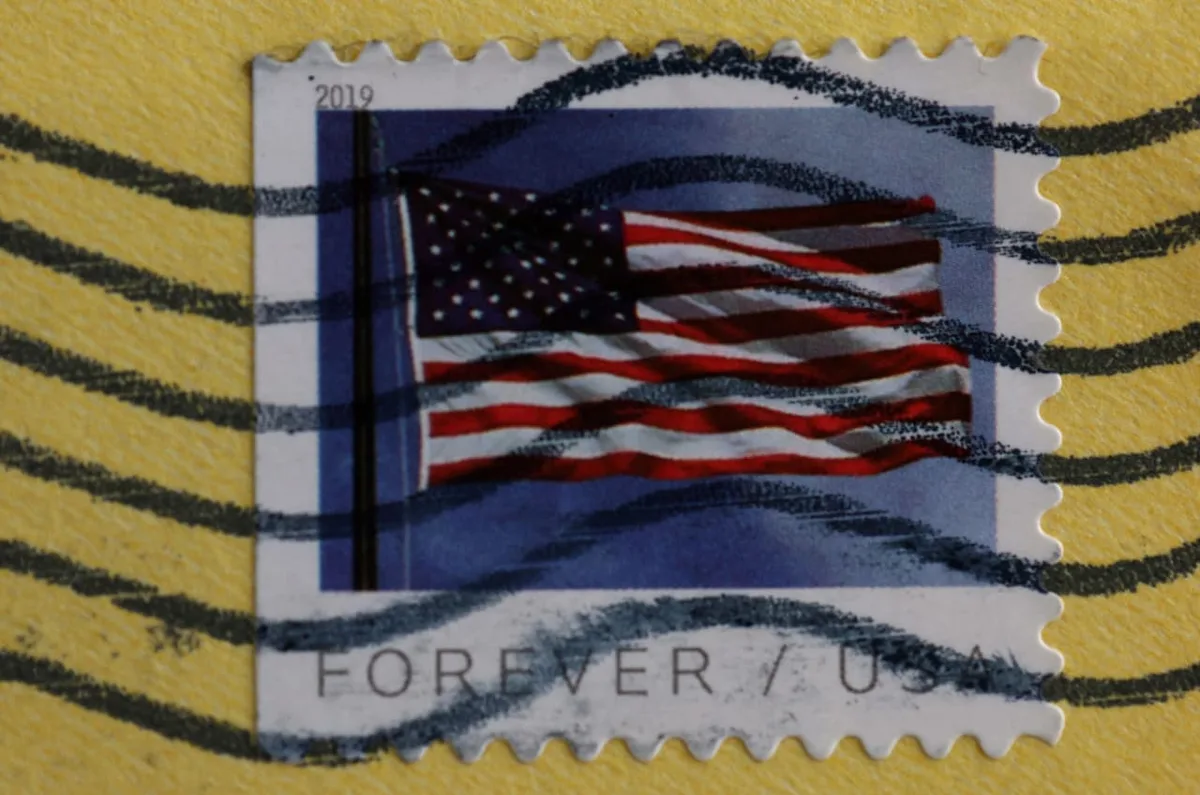
The United States Postal Service is raising the price of a first-class stamp this weekend, with the new rate taking effect on July 12. The move marks the eighth postage price increase over the last five calendar years, a pace of hikes that is striking even by the standards of a service long struggling with structural financial pressures.
The relentless cadence of postage increases reflects a deeper institutional challenge: the USPS operates under a congressional mandate to serve every American address while absorbing the long-term decline in first-class mail volume. As households and businesses migrate to digital communication, the fixed costs of maintaining a vast physical delivery network get spread across a shrinking base of stamped envelopes — a dynamic that effectively compels periodic rate adjustments to keep the agency solvent.
Read more Fed Minutes Expected to Reveal Deep Divisions Over Rate Path →
For everyday consumers, the cumulative effect of eight increases in five years is significant. What once seemed like a trivial expense — mailing a birthday card or a bill payment — has quietly become more costly through sheer repetition. Each individual hike may appear modest, but the compounding trajectory over half a decade tells a more consequential story about the eroding affordability of physical mail.
The broader policy question hanging over these increases is whether periodic rate hikes are a sustainable long-term strategy, or merely a way of deferring harder structural decisions about the USPS's business model, workforce costs, and the role of government-subsidized mail delivery in a digital economy. Analysts have long noted that pricing adjustments alone cannot resolve the fundamental volume problem facing the agency.
For now, Americans reaching for a book of stamps this weekend will pay the new rate — one more data point on a chart that has climbed steadily and shows little sign of leveling off. Continue reading at MarketWatch.com