USMCA Renewal Uncertainty Clouds North American Business Outlook
Analysts warn that failure to renew the USMCA trade pact could leave businesses across North America facing prolonged uncertainty.
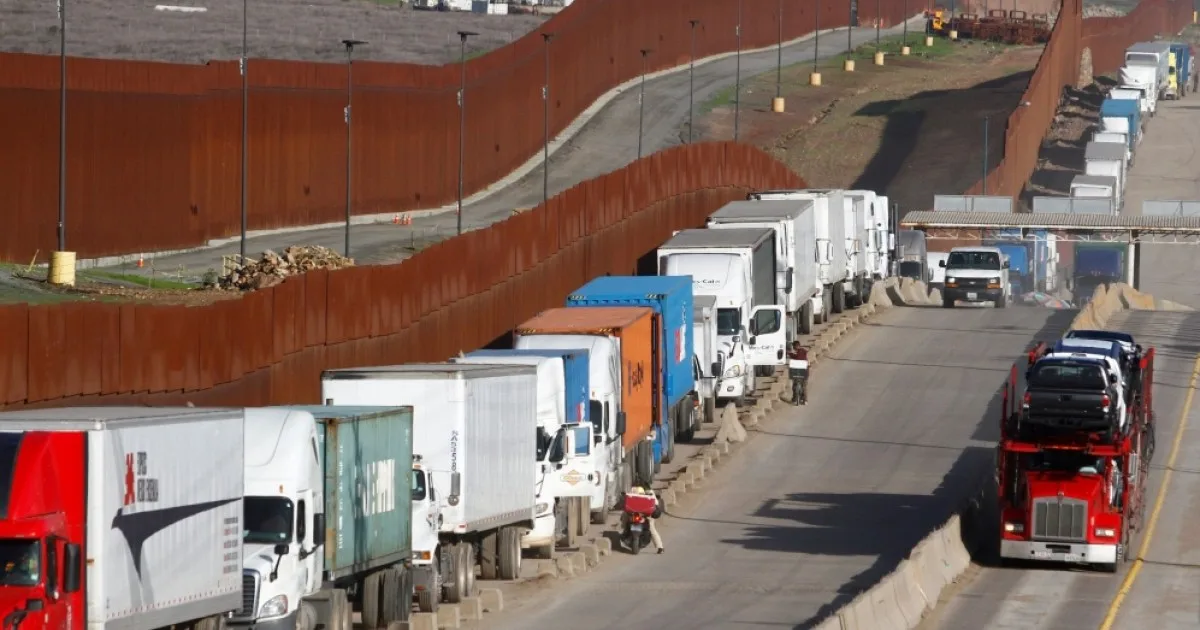
The United States-Mexico-Canada Agreement, the trilateral trade framework that replaced NAFTA in 2020, faces a critical juncture as its scheduled review period approaches. Analysts tracking North American trade policy are raising alarms that if the agreement is not successfully renewed, businesses operating across the three countries could find themselves navigating an environment stripped of the predictability that modern supply chains depend on.
For companies that have structured their procurement, manufacturing, and distribution networks around USMCA's provisions — including rules of origin for automotive production and agricultural trade preferences — the absence of a clear successor framework would create immediate strategic headaches. Investment decisions that require multi-year horizons are particularly vulnerable, since capital tends to retreat when trade rules become ambiguous or subject to political negotiation.
Read more BIS Warns Stablecoins Could Fragment the Global Financial System →
The concern is not merely theoretical. Trade analysts note that businesses began adjusting behavior during earlier tensions over NAFTA's renegotiation, and a repeat scenario could chill cross-border investment at a moment when North American supply chain resilience is already a priority in the post-pandemic era. The regional trading bloc collectively represents one of the world's largest integrated economies, making the stakes for any governance gap especially high.
What makes this moment analytically interesting is how the USMCA review intersects with broader geopolitical currents — including ongoing debates about reshoring, tariff policy, and the competitive pressure from China's manufacturing base. A lapse or prolonged renegotiation would force businesses to price in regulatory risk that they had effectively set aside since 2020, adding a new cost layer to an already complex operating environment.
Continue reading at aljazeera_us for the full reported analysis.