US and Iran Agree to Pause as Hormuz Shipping Resumes
A ceasefire understanding between Washington and Tehran has reopened the Strait of Hormuz to commercial traffic after weekend military clashes rattled global energy markets.
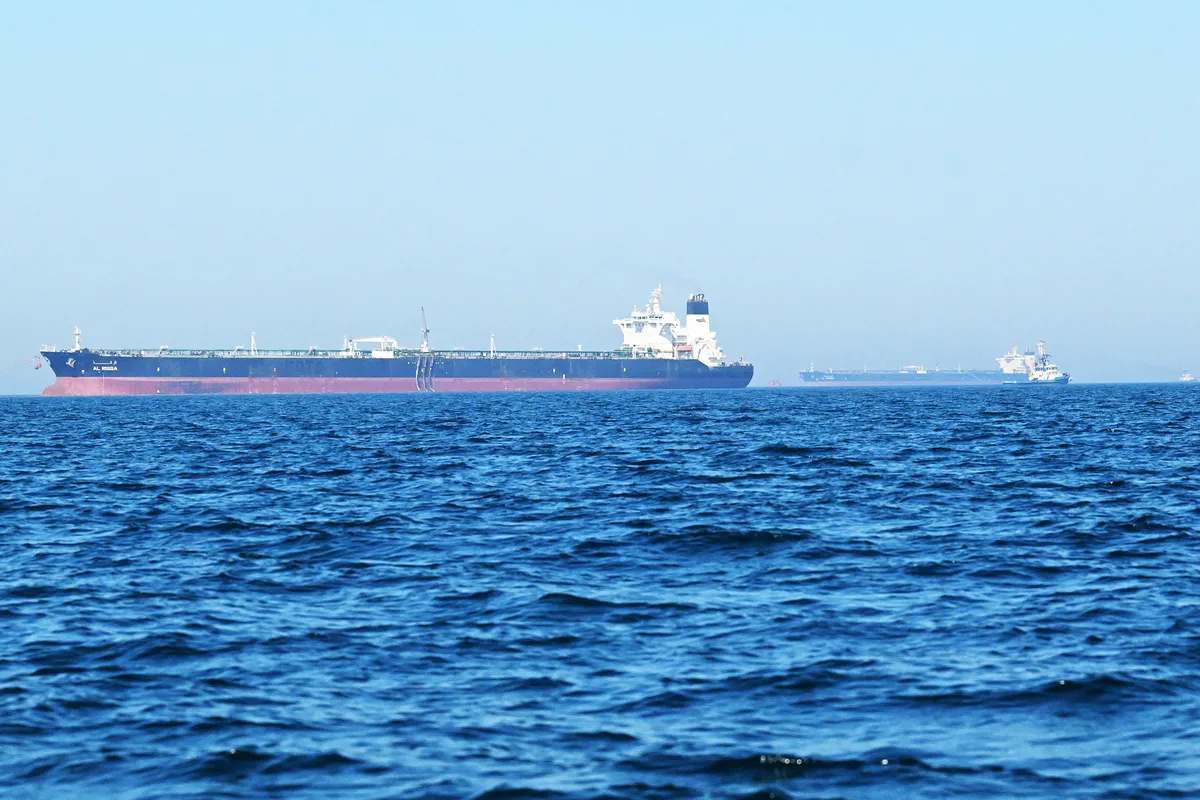
A fragile but consequential pause in hostilities between the United States and Iran has allowed commercial shipping to resume through the Strait of Hormuz, one of the world's most strategically critical maritime chokepoints. The agreement follows a weekend of military exchanges that briefly raised the specter of a sustained disruption to global oil flows — a scenario that energy markets and allied governments had been watching with acute anxiety.
The Strait of Hormuz carries an estimated one-fifth of the world's oil supply, making any interruption there a potential shock to global energy prices and supply chains far beyond the Middle East. Even a short-lived closure or credible threat of one tends to ripple through futures markets almost immediately, underlining why diplomats on multiple sides treat the waterway as a red line worth protecting regardless of broader geopolitical tensions.
Read more STF Tactical Growth & Income ETF Short Interest Falls Sharply →
While the source material does not detail the specific terms or mediators behind the understanding, the fact that both Washington and Tehran agreed to allow free commercial passage suggests a shared recognition that escalating to a full maritime blockade carried risks neither side was prepared to absorb — economic, military, or diplomatic. For Iran, which depends heavily on regional shipping lanes for its own trade, a prolonged confrontation in the strait would be a double-edged sword.
Analysts will be watching closely to see whether this pause hardens into a more durable framework or simply buys time before the next flashpoint. Ceasefires in the Persian Gulf have historically been episodic rather than structural, reflecting the underlying tensions between U.S. force posture in the region and Iran's ambitions for influence. For global energy consumers and shipping insurers, the resumption of vessel movement offers immediate relief — but not a lasting guarantee of stability.
Continue reading at US Top News and Analysis.