U.S. Revokes Iran Oil Sanctions Waiver After Tanker Attacks
Washington pulls authorization for Iranian oil sales following tanker attacks, ending a brief sanctions reprieve tied to a Hormuz interim deal.
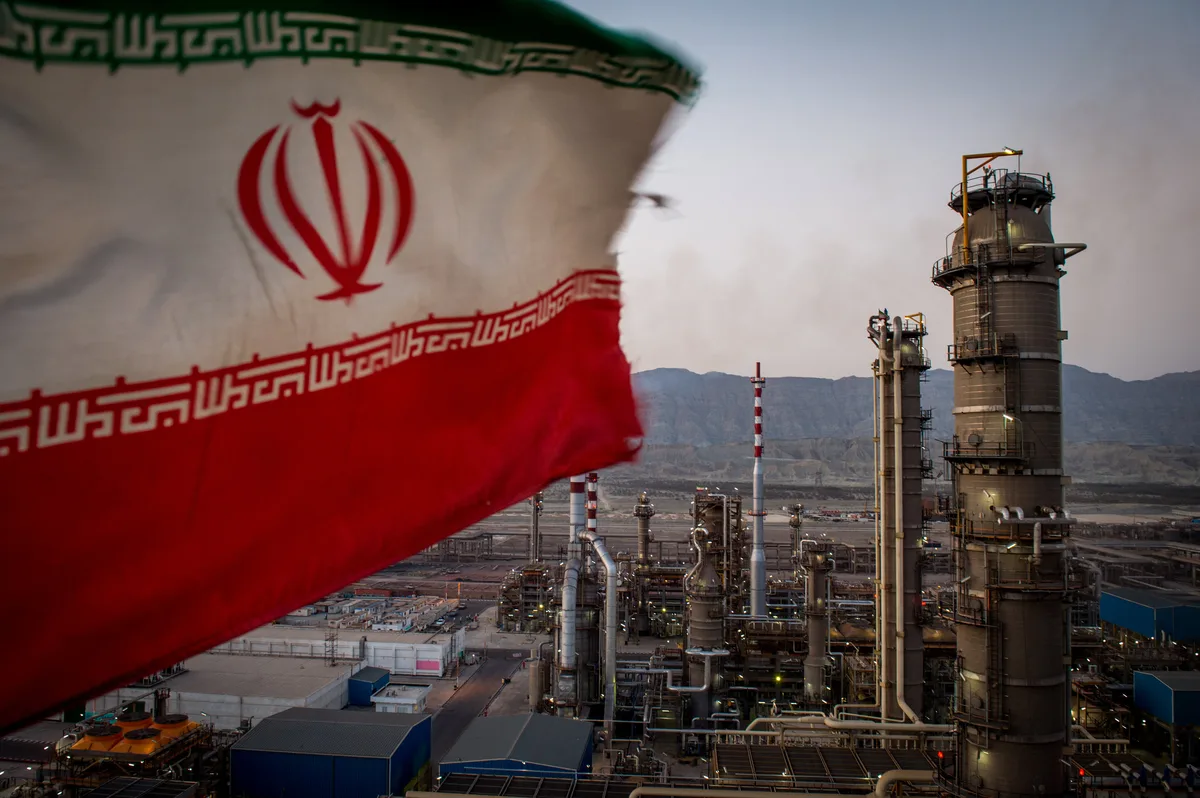
The United States has revoked its authorization allowing Iranian oil sales, escalating economic pressure on Tehran in the wake of tanker attacks that rattled one of the world's most strategically critical maritime corridors. The move marks a sharp reversal from a posture of cautious diplomatic engagement that had only recently appeared to be gaining traction.
The Treasury Department had granted a sanctions waiver permitting Iranian oil transactions through August 21, a concession extended after Washington and Tehran reached an interim agreement last month to reopen the Strait of Hormuz. That deal had been widely interpreted as a fragile but meaningful de-escalation between two adversaries whose tensions carry outsized consequences for global energy markets.
Read more New Hampshire Eyes $100M Bitcoin-Backed Bond Hearing →
By revoking that waiver now, the Biden or Trump administration — whichever is current — is signaling that the tanker attacks represent a red line that cannot be papered over with diplomatic niceties. Sanctions on Iranian oil are among the most potent tools available to Washington, capable of squeezing Tehran's primary revenue stream and amplifying economic strain on a government already managing a pressured domestic economy.
The timing is analytically significant: pulling the waiver before its August 21 expiration suggests U.S. officials view the attacks not as an isolated provocation but as a deliberate test of American resolve. Whether this revocation accelerates a return to maximum-pressure policy or serves as a targeted punitive measure while leaving diplomatic channels nominally open remains to be seen. Markets and allied governments watching the Hormuz situation will be parsing every subsequent signal closely.
Continue reading at US Top News and Analysis