TSMC Monthly Sales Growth Signals Sustained Chip Demand
Taiwan Semiconductor's rising monthly revenue reflects resilient demand across AI and consumer electronics sectors.
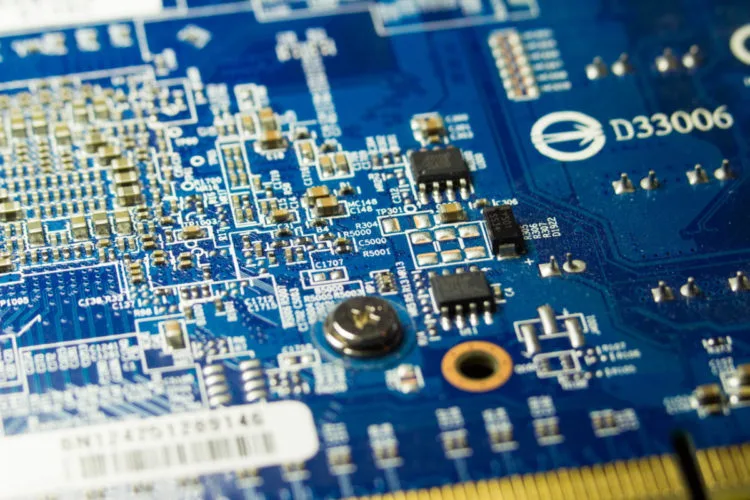
Taiwan Semiconductor Manufacturing Company, the world's dominant contract chipmaker, has reported an increase in its monthly sales figures, a development that carries meaningful implications for the broader semiconductor industry and the technology supply chain it underpins. TSMC's revenue trends are closely watched by investors and analysts as a leading indicator of global chip demand, given the company's central role in manufacturing processors for clients ranging from Apple to Nvidia.
The uptick in monthly sales aligns with a broader narrative of recovering semiconductor demand after a prolonged inventory correction that weighed heavily on the industry through much of 2023 and into 2024. Analysts have pointed to accelerating investment in artificial intelligence infrastructure as a key demand driver, with hyperscalers and cloud providers aggressively procuring advanced chips to build out data center capacity. TSMC sits at the nexus of this spending wave, producing the leading-edge silicon that most AI accelerators require.
Read more STF Tactical Growth & Income ETF Short Interest Falls Sharply →
Beyond AI, a gradual restocking cycle in consumer electronics — smartphones, personal computers, and wearables — has added incremental volume to TSMC's order book. While this segment remains more cyclical and price-sensitive than the data center business, its stabilization removes a headwind that had suppressed overall utilization rates at the foundry. Higher utilization translates directly into improved operating leverage and margin expansion, making monthly revenue prints a proxy for profitability momentum as well.
For investors, TSMC's sales trajectory also carries geopolitical weight. The company's fabs in Taiwan remain the linchpin of global chip supply, even as expansion projects in Arizona and Japan progress. Any sustained revenue growth reinforces TSMC's pricing power and competitive moat, while also highlighting the continued strategic importance of semiconductor self-sufficiency debates playing out in Washington, Brussels, and Beijing. Monthly data points, however incremental, feed into that larger story of industrial policy and technological competition.
Continue reading at Yahoo Finance