Trump's Foreign Real-Estate Licensing Income Nearly Doubled in 2024
New disclosures show Trump's overseas licensing revenue surged, now including deals in Qatar and Romania, raising fresh ethics alarms.
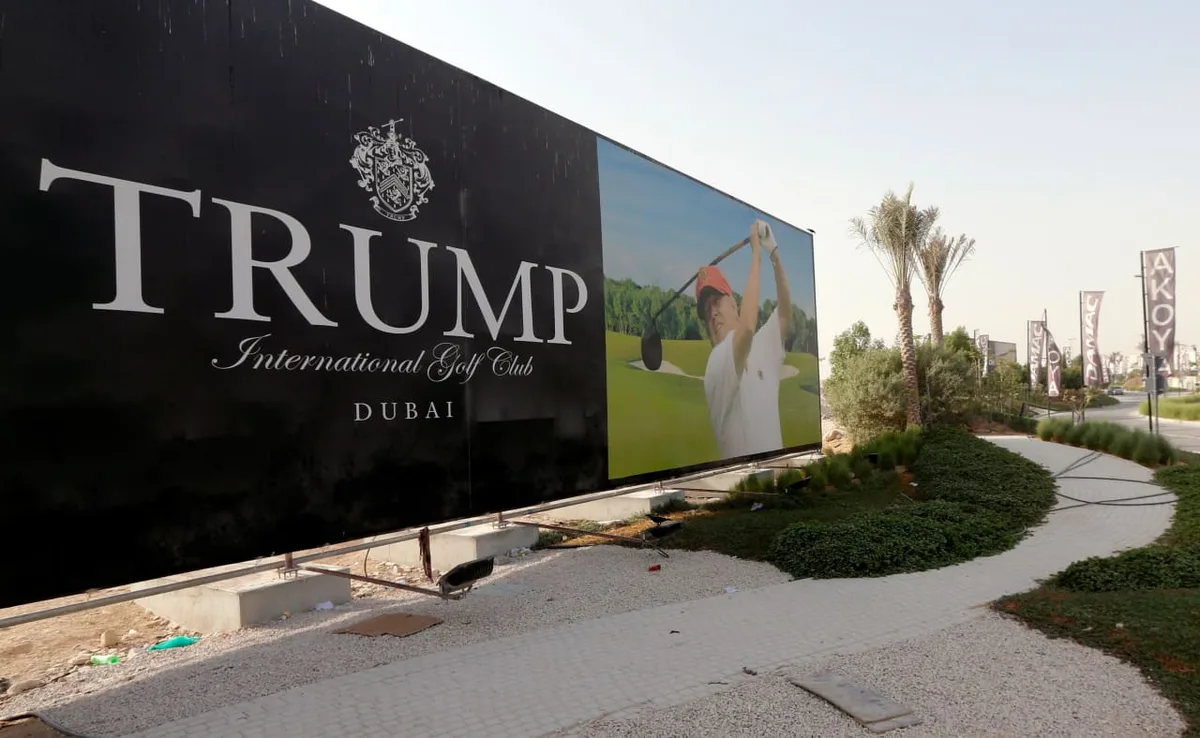
President Donald Trump's income from real-estate licensing arrangements in foreign countries nearly doubled over the most recent reporting period, according to new financial disclosures reviewed by MarketWatch. The expansion marks a significant broadening of his international business footprint at a time when he simultaneously holds the nation's highest office — a combination that ethics experts say creates unprecedented conflicts of interest.
Perhaps most notable among the newly disclosed arrangements are licensing deals tied to Qatar and Romania, two countries that carry distinct geopolitical weight for the United States. Qatar hosts a major U.S. military installation and has been a key intermediary in Middle East diplomacy, while Romania is a NATO ally on Europe's eastern flank. The emergence of these two nations in Trump's personal income stream adds a layer of complexity to any policy decisions the administration makes involving either country.
Read more OpenAI Reportedly in Talks to Offer U.S. Government a 5% Stake →
At least one prominent ethics watchdog organization has expressed what it described as "grave concerns about the president doing business in foreign countries." The concern is structural: when a sitting president derives personal income from licensing arrangements in nations that depend on or negotiate with the U.S. government, the line between national interest and personal financial interest can become dangerously blurred. Unlike traditional investments, licensing deals require ongoing relationships and goodwill with local partners — relationships that could theoretically color diplomatic or regulatory decisions.
The near-doubling of this income stream suggests that rather than contracting during Trump's return to the White House, his international business activity has accelerated. That trajectory runs counter to the voluntary divestiture or trust arrangements that prior presidents have used to insulate their policy decisions from personal enrichment. Whether Congress or oversight bodies will move to scrutinize these disclosures more formally remains an open question, but the pattern documented here is likely to sustain pressure on the administration to provide greater transparency.
Continue reading at MarketWatch.com