Tiny Semaglutide Implant Could Transform Long-Term Weight Loss
Vivani Medical is developing a subcutaneous implant delivering semaglutide continuously, aiming to solve the adherence problem plaguing GLP-1 drug regimens.
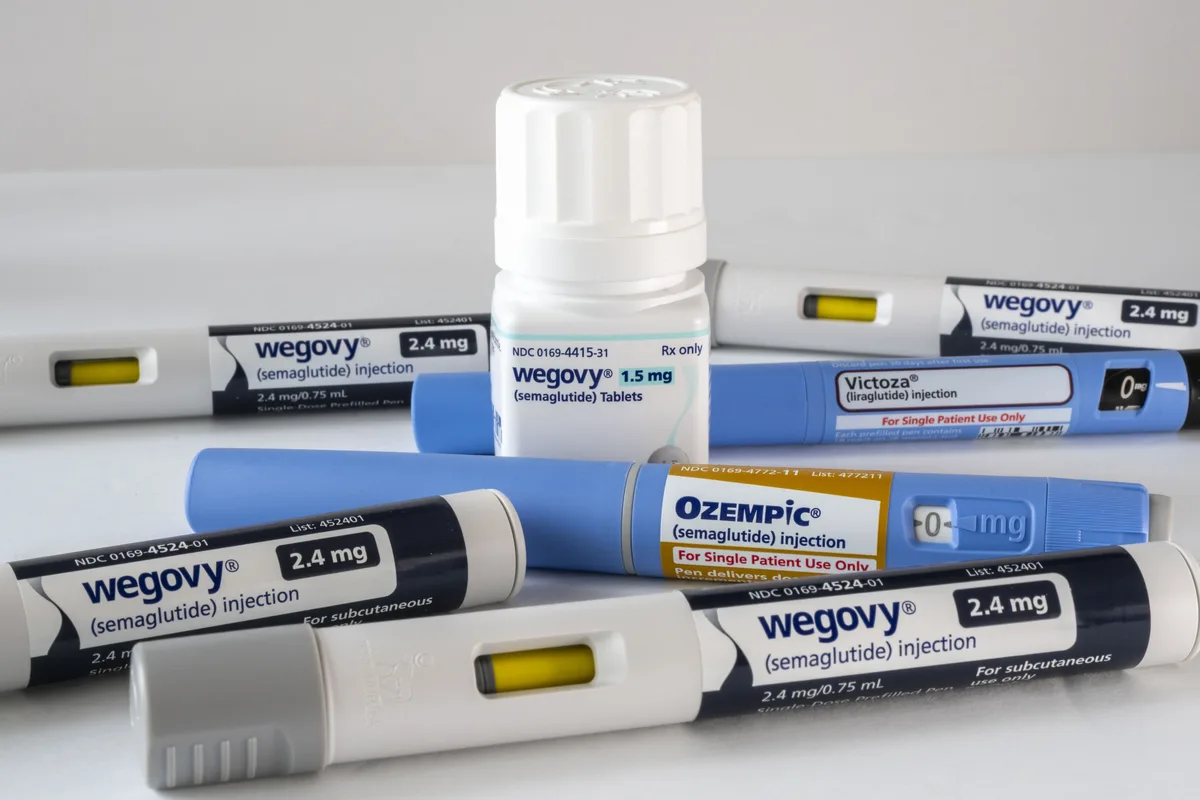
The race to make GLP-1 therapies more convenient just moved beneath the skin. Vivani Medical is developing a miniaturized implant that would deliver semaglutide — the active ingredient powering Novo Nordisk's blockbuster obesity injection Wegovy and its diabetes counterpart Ozempic — on a continuous, sustained basis. The bet is straightforward: if patients struggle to maintain weekly injection schedules, an implant that does the work passively could be the adherence breakthrough the field has been waiting for.
Semaglutide has already reshaped the pharmaceutical landscape, generating tens of billions in annual revenue for Novo Nordisk and inspiring a broader cultural reckoning with obesity as a chronic, treatable disease rather than a personal failing. But the medication's efficacy is inextricably tied to consistent use — patients who discontinue treatment tend to regain a substantial portion of the weight they lost. That biological reality makes the delivery mechanism nearly as important as the molecule itself.
Read more Why Silicon Valley Is Becoming the New Tech Villain →
Vivani's implant approach represents a logical next step in a therapeutic category that is rapidly iterating beyond the syringe. By embedding the drug delivery mechanism subcutaneously, the company would remove the weekly ritual that can create friction for patients and lead to lapses in treatment. It is a strategy familiar from other chronic-disease contexts — think long-acting contraceptive implants or extended-release naltrexone — now applied to metabolic medicine.
The broader implication is competitive as much as clinical. A successful implant formulation could differentiate a relatively smaller player like Vivani in a market currently dominated by Novo Nordisk and Eli Lilly. It also signals that the next wave of GLP-1 innovation may focus less on discovering new molecules and more on optimizing how existing ones reach and stay in patients' bodies — a quieter but potentially transformative engineering challenge.
Continue reading at US Top News and Analysis