The 11 US States Leading in Workforce Readiness for 2026
A new analysis ranks 11 states that outperform the rest in workforce education, training programs, and job-market migration trends.
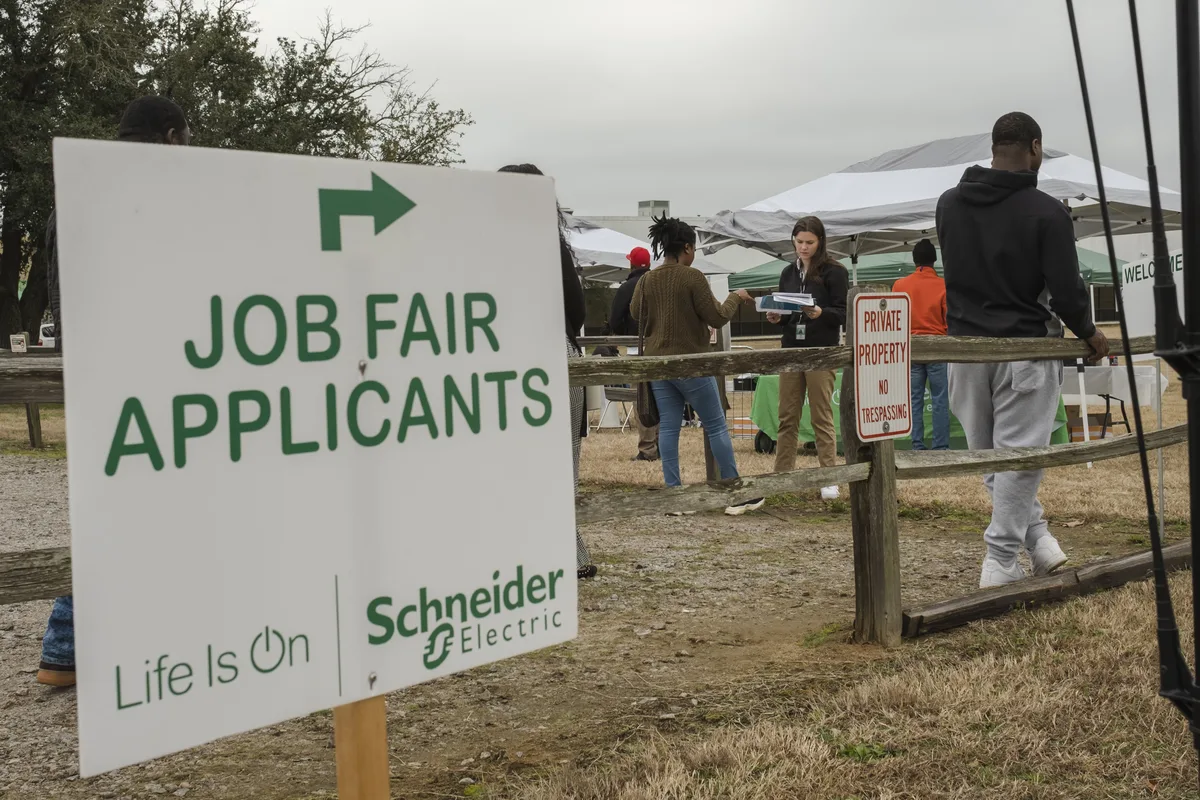
As the American labor market continues its post-pandemic reshaping, a new analysis identifies eleven states that stand out for their ability to attract, educate, and retain productive workers heading into 2026. The ranking weighs three distinct dimensions: the overall education attainment of the existing workforce, net migration patterns that signal where ambitious workers are choosing to relocate, and the robustness of state-sponsored workforce development programs.
The convergence of those three factors matters more than any single metric alone. A state can boast top-tier universities yet still struggle to keep graduates if wages and job opportunities lag. Conversely, a state with aggressive workforce training initiatives but a thin education base may find itself unable to fill high-skill vacancies. The states that score well across all three dimensions are, in effect, running a more complete talent strategy than their peers.
Read more Sen. Rounds Approves of Warsh's Tone in Fed Chair Debut on Hill →
Migration data has become an especially telling signal in recent years. Remote work and shifting cost-of-living calculations have accelerated population movement in ways that were unthinkable before 2020, and states that are net winners of working-age migrants tend to reinforce their own labor-market advantages through a compounding effect — more talent draws more employers, which draws still more talent.
Workforce development programs, often overlooked in national coverage, represent a direct policy lever that states control independently of federal mandates. States that invest in community college pipelines, apprenticeship programs, and employer-partnership initiatives tend to show faster wage growth and lower structural unemployment, making them more resilient during economic downturns.
For workers weighing where to build a career, and for employers deciding where to expand operations, this kind of multi-dimensional state benchmarking offers a more reliable compass than GDP rankings or unemployment rates alone. Continue reading at US Top News and Analysis.