Taco Bell Removes Lettuce Tied to Cyclosporiasis Outbreak
Taco Bell has pulled lettuce linked to a CDC-identified cyclosporiasis outbreak. Analysts expect the chain to recover quickly.
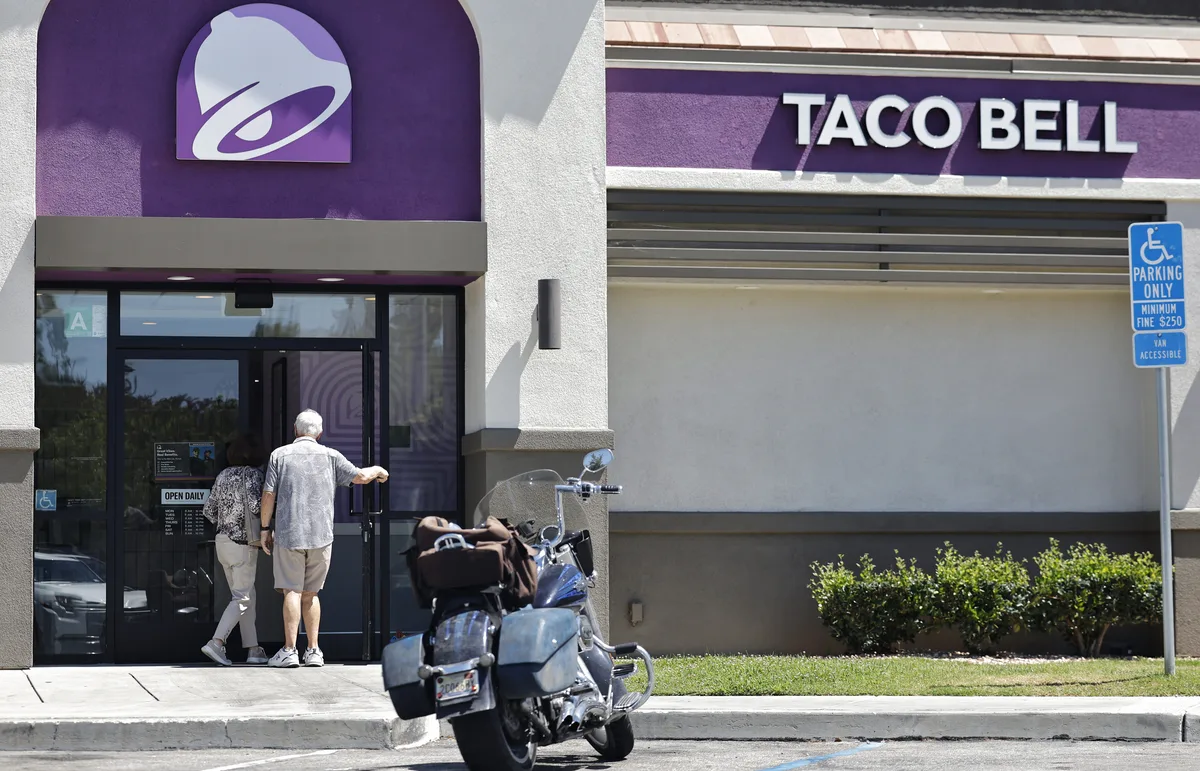
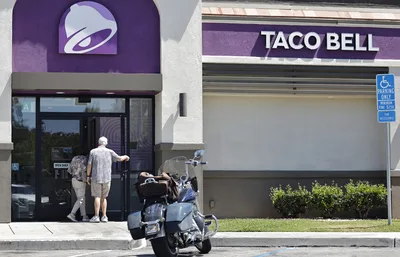
Taco Bell has removed lettuce from its restaurants after the Centers for Disease Control and Prevention connected the fast-food chain to an outbreak of cyclosporiasis, a parasitic intestinal illness caused by the Cyclospora cayetanensis organism. The move signals the company's effort to contain both the public health concern and any reputational fallout before it compounds.
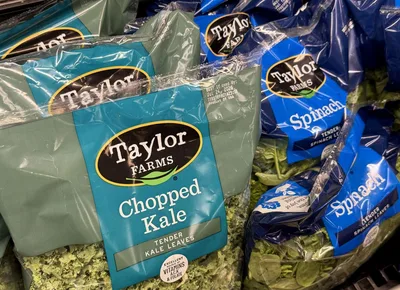
Cyclosporiasis outbreaks have historically been traced to fresh produce — particularly leafy greens, herbs, and berries — making romaine and other lettuce varieties a recurring culprit in foodborne illness investigations. The parasite is typically transmitted through food or water contaminated with fecal matter, and symptoms can include prolonged diarrhea, fatigue, and weight loss, sometimes persisting for weeks if untreated.
Read more Chinese Fraud Rings Drain Billions From Banks via Tap-to-Pay Scams →
For Taco Bell, the episode fits a familiar pattern in the fast-food industry: an acute supply-chain safety scare that triggers swift operational action followed by a relatively short consumer confidence dip. Industry analysts noted that the chain is likely to recover soon from the health safety alarm, citing the brand's broad customer base and the industry's track record of bouncing back once contaminated ingredients are removed and the news cycle moves on.
The broader implication here is structural. Large quick-service restaurant chains rely on centralized produce suppliers, which means a single contaminated batch can simultaneously affect hundreds or thousands of locations — amplifying both the health risk and the media footprint far beyond what a local restaurant would face. That systemic vulnerability has long made fresh produce the most difficult ingredient category for fast-food operators to manage safely at scale.
Whether Taco Bell faces lasting damage will depend largely on the CDC's final scope determination and whether consumer memory of the outbreak persists beyond the immediate news cycle. Continue reading at US Top News and Analysis.