Supreme Court Upholds Birthright Citizenship, Blocks Trump Order
The Supreme Court has affirmed birthright citizenship protections, delivering a setback to Trump's effort to limit automatic citizenship for immigrants' children.
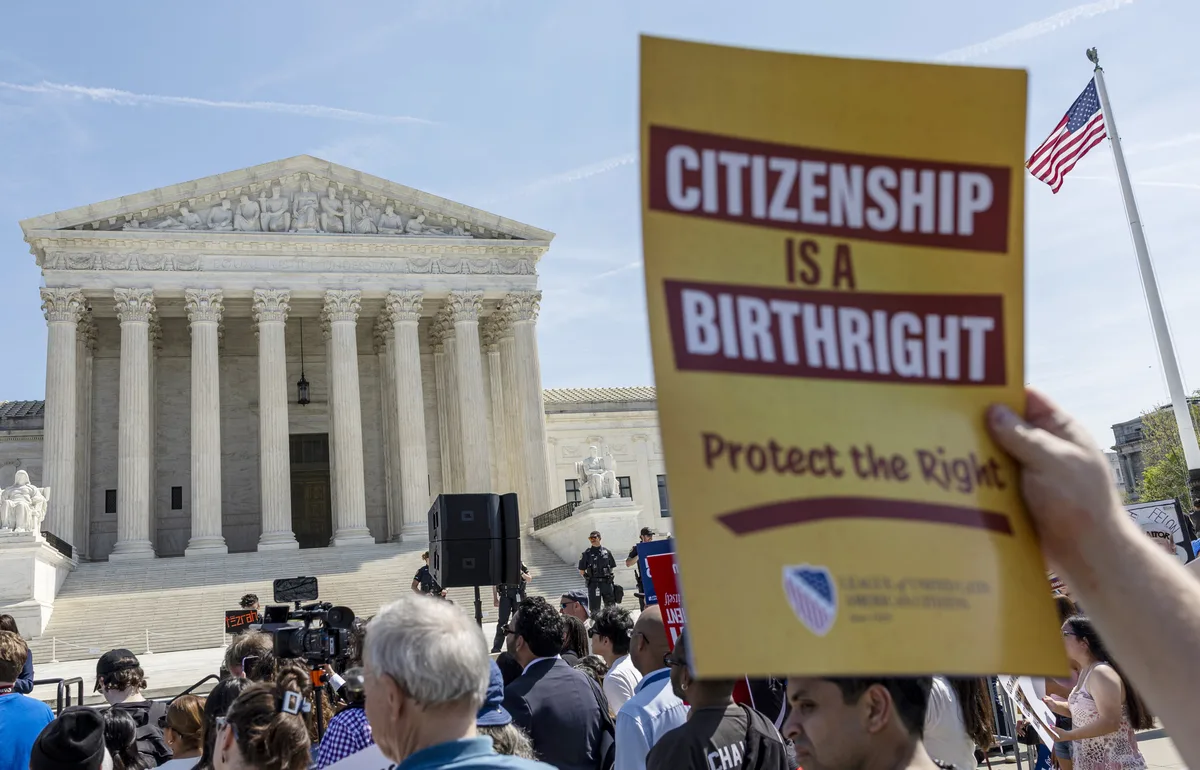
The Supreme Court has upheld birthright citizenship, blocking an executive order from President Donald Trump that sought to curtail the automatic grant of citizenship to children born on U.S. soil to certain immigrant parents. The ruling represents a significant constitutional rebuke of one of Trump's most prominent immigration policy ambitions.
Trump made his personal investment in the outcome unmistakable by attending oral arguments in the case — an extraordinarily rare move for a sitting president — signaling just how central this issue is to his broader immigration agenda. The gesture underscored the political and legal stakes involved, as birthright citizenship has long been considered a foundational principle of American constitutional law under the Fourteenth Amendment.
Read more SEC Opens Public Comment on Regulating Next-Gen ETF Structures →
The Fourteenth Amendment, ratified in 1868, grants citizenship to all persons born or naturalized in the United States. For more than a century, courts and legal scholars have broadly interpreted this clause to apply to nearly all children born on American soil, regardless of their parents' immigration status. Trump's order challenged that long-standing interpretation, arguing that the clause was never intended to extend so broadly.
The court's decision to block the order maintains the existing legal framework that has governed citizenship determinations for generations. While the ruling is a defeat for the administration's restrictionist immigration goals, it was not unexpected given the deep constitutional grounding of birthright citizenship and the significant legal hurdles any executive action would face in overturning a century-old precedent through presidential decree alone.
The outcome is likely to intensify calls from immigration restrictionists for a legislative or constitutional amendment approach, given that executive action has now been foreclosed by the judiciary. Continue reading at US Top News and Analysis.