Space Stocks Slide as Investors Fear 'Peak' Defense Spending
Space sector equities are under pressure as market participants worry that defense budgets may be approaching a cyclical ceiling.
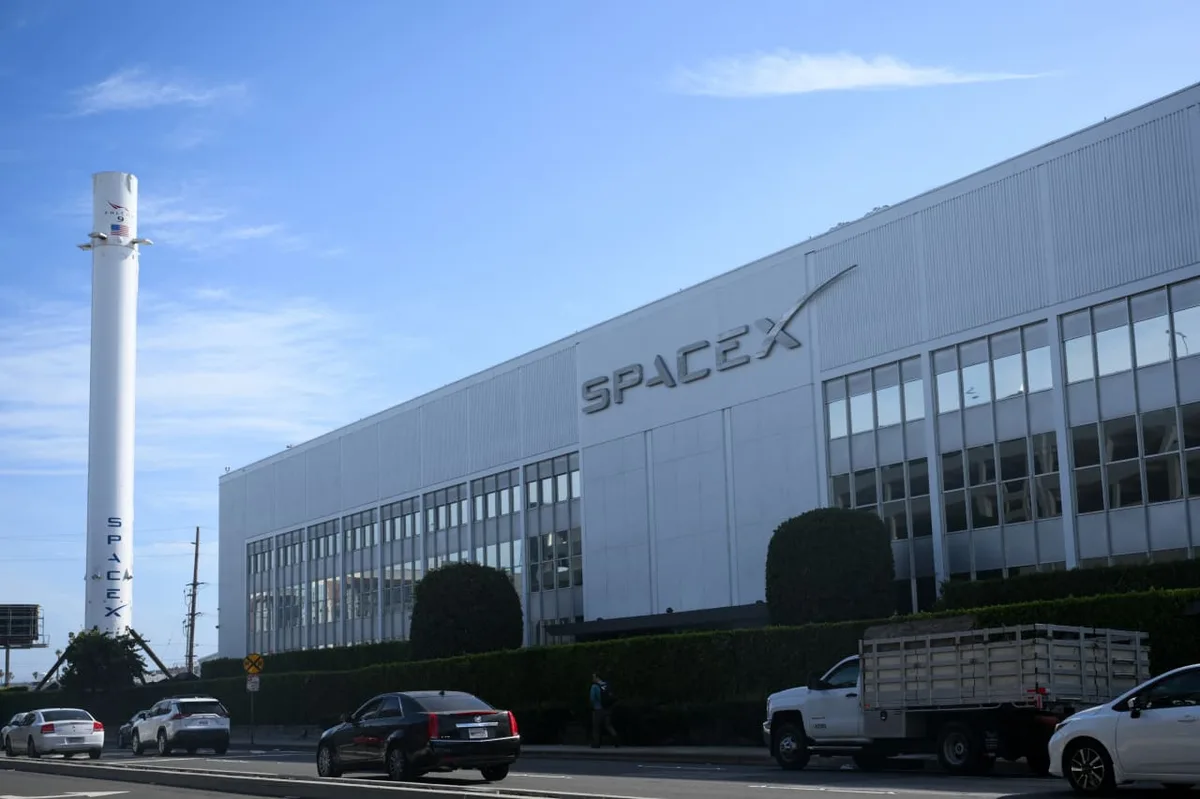
Space-related stocks have been selling off sharply, and while SpaceX tends to absorb outsized blame whenever the sector stumbles, analysts argue the competitive threat from Elon Musk's private rocket giant is only part of a more complicated story. The deeper source of anxiety lies in Washington, where the political winds are shifting in ways that could constrain the defense budgets that underpin much of the space economy.
At the center of investor concern is the prospect of a divided Congress — a scenario that historically produces legislative gridlock and makes sustained increases in discretionary military and space spending politically difficult to sustain. When neither party commands a working majority across both chambers, the sweeping authorization bills that tend to fuel aerospace and defense contractors become harder to pass, and multiyear program commitments grow uncertain.
Read more Dow Gains as AI Trade Falters and M&A Appetite Returns →
That uncertainty is feeding a broader reassessment of whether the sector is approaching what market watchers are calling "peak" defense spending — a point at which the cyclical tailwinds that have driven outsized returns begin to flatten or reverse. Defense budgets, like any government expenditure, move in long cycles tied to geopolitical threat perceptions, fiscal constraints, and domestic political will. Investors who piled into space and defense names during a period of elevated global tensions are now recalibrating how much of that tailwind is already priced in.
The analytical nuance here matters. Conflating SpaceX's competitive disruption with macro-level budget risk causes investors to misdiagnose the sector's problems — and potentially misallocate capital as a result. Public space companies facing pressure from SpaceX on launch costs are fighting a different battle than those dependent on congressional appropriations. Both headwinds are real, but they require distinct frameworks to evaluate properly.
For investors trying to navigate the sector, the key question is not simply whether SpaceX will continue to win contracts, but whether the broader federal commitment to space infrastructure spending can hold up in a more austere or fractious political environment. Continue reading at MarketWatch.com