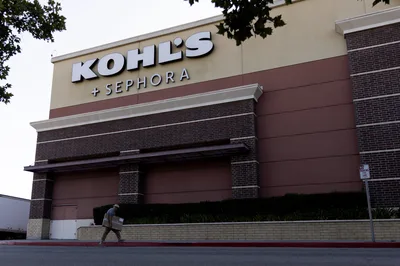
Six-Decade-Old Retailer Shutters 240-Plus Stores Across 35 States
A retailer with 60 years of history is closing more than 240 locations spanning 35 states, marking a significant contraction in brick-and-mortar retail.

A retailer that has operated for roughly six decades is undertaking one of the more sweeping store-closure campaigns seen in recent memory, shutting down more than 240 locations spread across 35 states. The scale of the pullback underscores how structural pressures — shifting consumer habits, rising occupancy costs, and persistent competition from e-commerce — continue to reshape the physical retail landscape in ways that even long-established chains cannot escape.
While the source does not detail the specific brand or the precise timeline for all closures, the geographic breadth of the retrenchment is notable. Spanning more than two-thirds of U.S. states, the closures suggest this is not a regional correction but a fundamental reassessment of the company's footprint strategy. For a brand that has survived recessions, the rise of big-box competitors, and the first wave of the so-called retail apocalypse, the decision to shed this many locations signals that incremental adjustment is no longer sufficient.
Read more CI&T Joins Anthropic's Claude Partner Network as AI Alliances Grow →
The broader retail sector has watched similar stories unfold with accelerating frequency. Store fleets that made sense in the late 20th century — when foot traffic was reliable and lease economics were favorable — often look untenable today. Analysts generally view large-scale closures as a double-edged development: painful for workers and communities in the short term, but potentially necessary for a company to stabilize its balance sheet and invest in the digital capabilities that modern shoppers increasingly expect.
What remains to be seen is whether trimming the physical network will be enough to secure the retailer's long-term viability, or whether it represents the opening act of a deeper restructuring. Across the industry, chains that have attempted similar resets have had mixed results — some emerging leaner and more competitive, others continuing a slow decline toward liquidation. The outcome typically hinges on whether the core brand still resonates with a customer base willing to engage with it, online or off.
Continue reading at Yahoo Finance.