Silver Prices Rise as Airstrike Pause Lifts Safe-Haven Demand
Silver opened higher Monday as a pause in airstrikes eased geopolitical tension, boosting safe-haven metal demand.
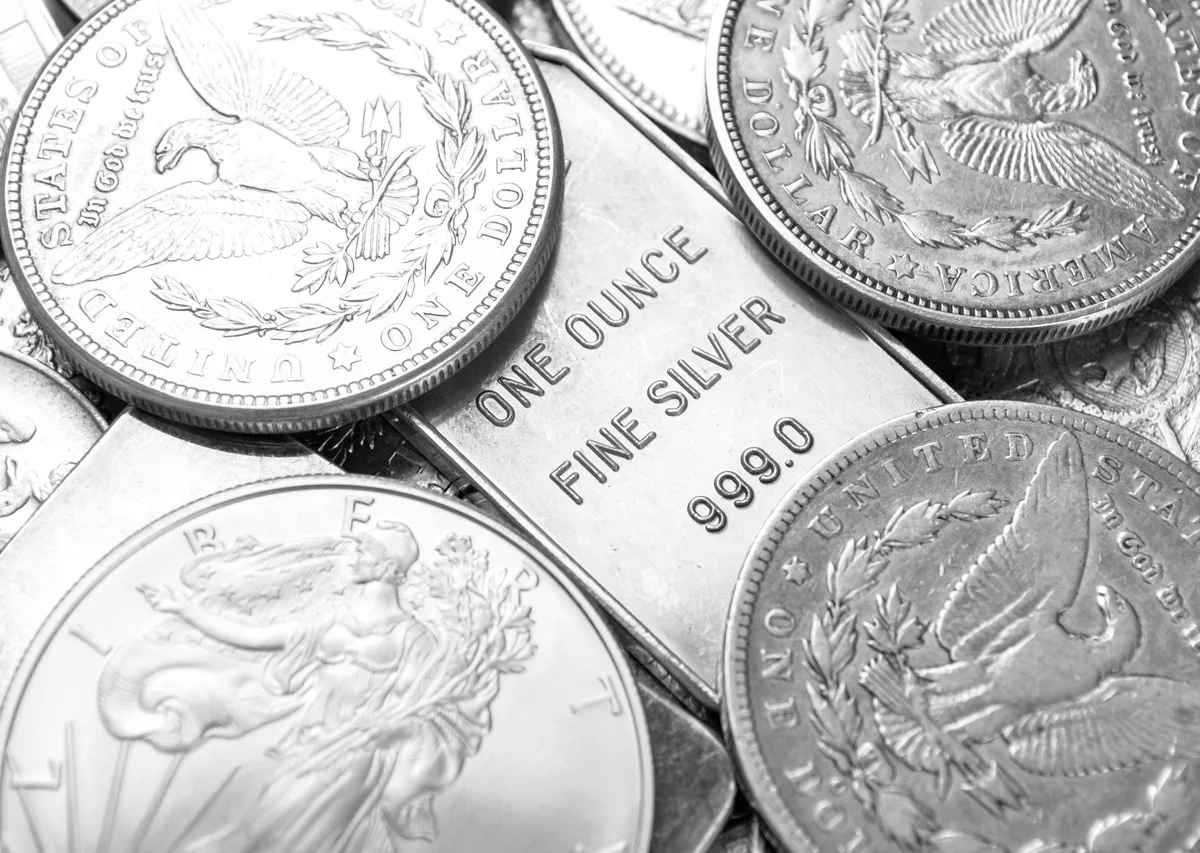
Silver prices climbed at the open on Monday, August 3, 2026, as a pause in airstrikes provided a degree of geopolitical relief that nonetheless kept investors leaning into safe-haven assets. Precious metals frequently exhibit this dual sensitivity — easing conflict can lift industrial optimism while residual uncertainty continues to support defensive positioning, a dynamic that helps explain why silver, more so than gold, can move sharply on incremental geopolitical news.
Silver occupies a unique space in commodity markets, serving simultaneously as an industrial input — critical to solar panels, electronics, and electric vehicles — and as a store of value during periods of global stress. When conflict pauses rather than resolves, that dual identity tends to work in silver's favor: industrial demand expectations recover modestly while haven buying persists, compressing the typical either/or trade-off investors face with purer safe-haven assets like gold or Treasuries.
Read more India Plans $3.3 Billion Stake Sale in Top Life Insurer →
Monday's opening move underscores how sensitive commodity markets remain to headline geopolitical risk in 2026. Traders and portfolio managers have increasingly treated any ceasefire signal or airstrike halt as an immediate catalyst, reflecting just how elevated baseline anxiety has become across global markets. The speed of silver's reaction at the open suggests algorithmic and momentum-driven capital was positioned to respond to exactly this kind of diplomatic signal.
For retail investors watching precious metals, the broader takeaway is that silver's price action is rarely driven by a single factor. Supply-demand fundamentals, dollar strength, interest rate expectations, and geopolitical risk all compete for influence — and on days like Monday, the geopolitical variable temporarily dominates. Understanding that layered complexity is essential to interpreting short-term price swings without overreading them as structural trend shifts.
Continue reading at Yahoo Finance