S&P 500 Posts First July Loss Since 2014 as Chip Stocks Crater
The S&P 500 closed July in the red for the first time in a decade, led lower by a historic collapse in semiconductor shares.
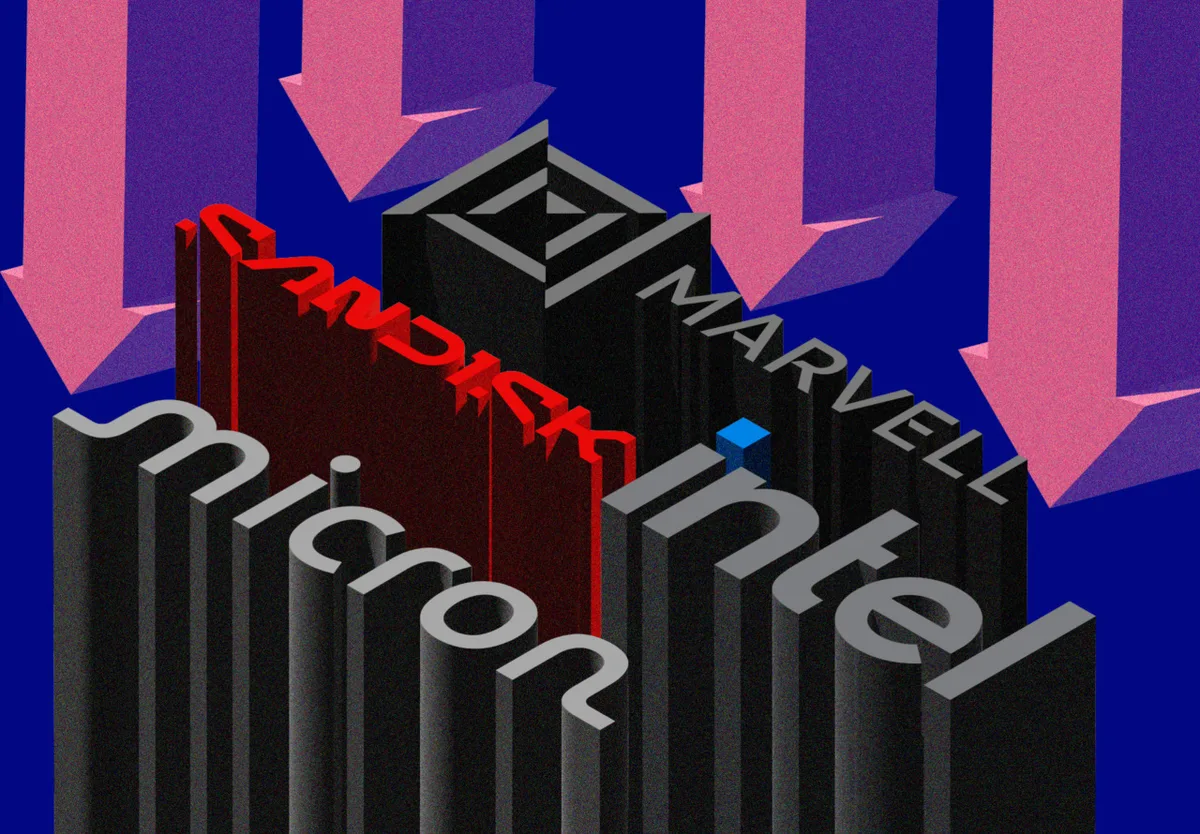
The S&P 500 wrapped up July with a monthly decline, snapping a streak that had kept the benchmark index in positive territory every July since 2014. The month's closing chapter was particularly turbulent, with late-session volatility whipsawing investors before the final bell confirmed the loss — a reminder that calendar streaks in markets are always fragile, especially in an environment where a handful of heavyweight sectors can define overall performance.
The most striking subplot of the month was the dramatic unraveling in semiconductor stocks, which suffered their worst July in 24 years. That kind of sector-specific drawdown carries broader implications: chip companies have become so deeply embedded in major indexes — through their outsized market capitalizations — that a concentrated selloff in the group can drag the entire market lower even when other sectors hold steady. The chip rout reflects mounting concerns about AI-driven demand expectations colliding with the reality of an uneven global economy.
Read more Eaton's Strong Earnings Signal AI Infrastructure Boom Holds Firm →
The dual nature of this moment is worth sitting with. On one hand, a single down month doesn't erase what has been a strong run for equities. On the other, the concentration risk embedded in today's indexes means that when high-multiple, high-expectation sectors stumble, the damage spreads quickly and disproportionately. Investors who assumed July would simply repeat the pattern of the prior decade got an expensive lesson in how quickly historical tendencies can break.
For market watchers, the key question going forward is whether the chip sector's pain represents a temporary repricing of stretched valuations or the beginning of a broader reassessment of the AI investment thesis. The answer will likely shape equity market direction well into the fall. Continue reading at MarketWatch.com