Rivian Boosts 2026 Delivery Forecast as Lucid Disappoints
Rivian raised its 2026 EV delivery outlook while rival Lucid fell short of Wall Street's Q2 expectations, highlighting a widening gap in EV sector momentum.
The electric vehicle industry's uneven recovery continued this week as Rivian and Lucid reported contrasting fortunes, underscoring how differently positioned startups are navigating the market's demanding growth expectations. Rivian's upgraded outlook signals growing operational confidence, while Lucid's miss reinforces questions about its path to scale.
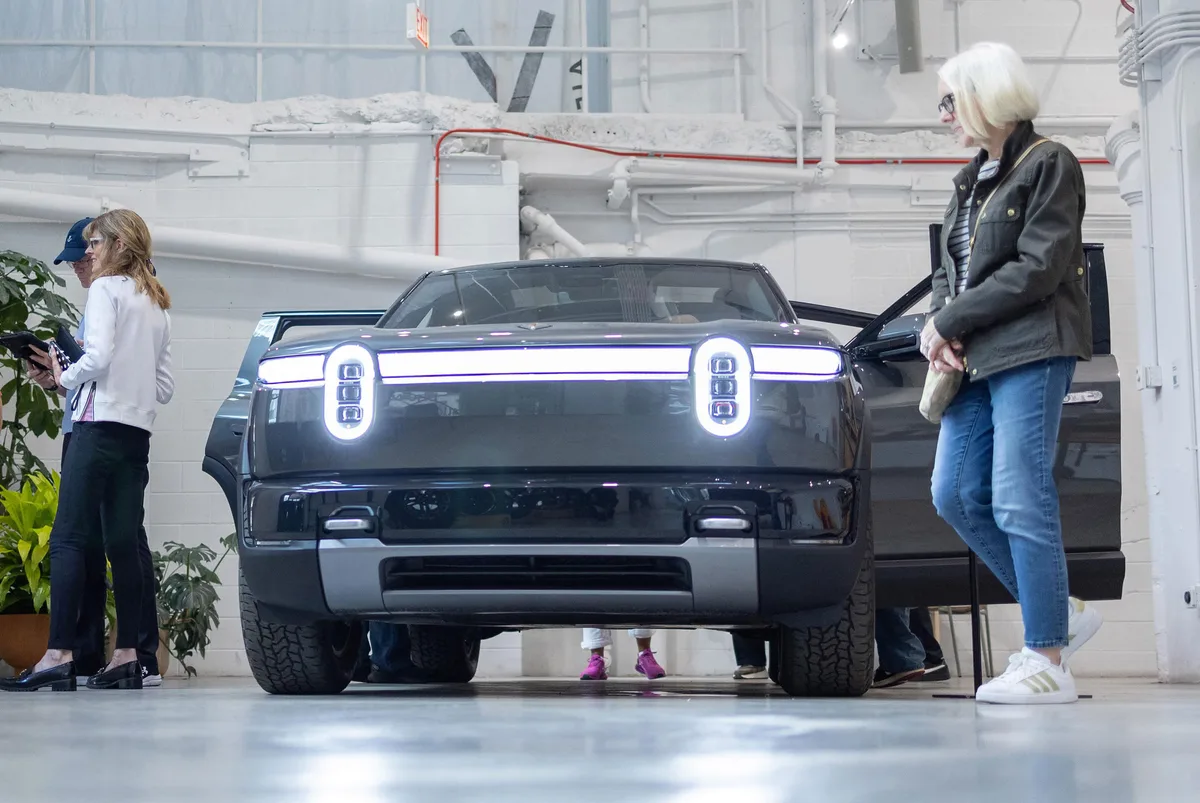
Rivian lifted its 2026 delivery guidance to a range of 65,000 to 70,000 vehicles, up from its prior forecast of 62,000 to 67,000 units. The revision, though incremental, carries symbolic weight in an industry where forward guidance is closely watched as a proxy for manufacturing reliability and consumer demand. For Rivian, which has spent years working through supply chain constraints and factory retooling challenges, the upward revision suggests its production cadence is stabilizing.
Read more Securitize Eyes SPAC IPO to Advance Asset Tokenization →
Lucid, by contrast, fell short of Wall Street's expectations for the second quarter, a recurring stumbling block for the luxury EV maker. The company has struggled to convert its engineering pedigree — it produces vehicles with some of the longest ranges in the segment — into the kind of sales volume that justifies its valuation. Missing analyst targets for a second consecutive quarter is likely to intensify scrutiny over its demand generation and go-to-market strategy.
The divergence between the two companies reflects a broader dynamic reshaping the EV startup landscape: execution is beginning to matter as much as vision. Early-stage enthusiasm has given way to investor focus on delivery numbers, gross margins, and credible guidance. Rivian's ability to raise its outlook — even modestly — positions it more favorably in that conversation than a peer that continues to disappoint on headline metrics.
As the EV market matures and competition from legacy automakers intensifies, the gap between companies that can demonstrate operational momentum and those still searching for it is likely to widen further. Continue reading at US Top News and Analysis.