OpenAI Reportedly Offers Trump Administration a 5% Equity Stake
OpenAI is said to be proposing a 5% ownership share to the federal government as a potential way to soften regulatory pressure from Washington.
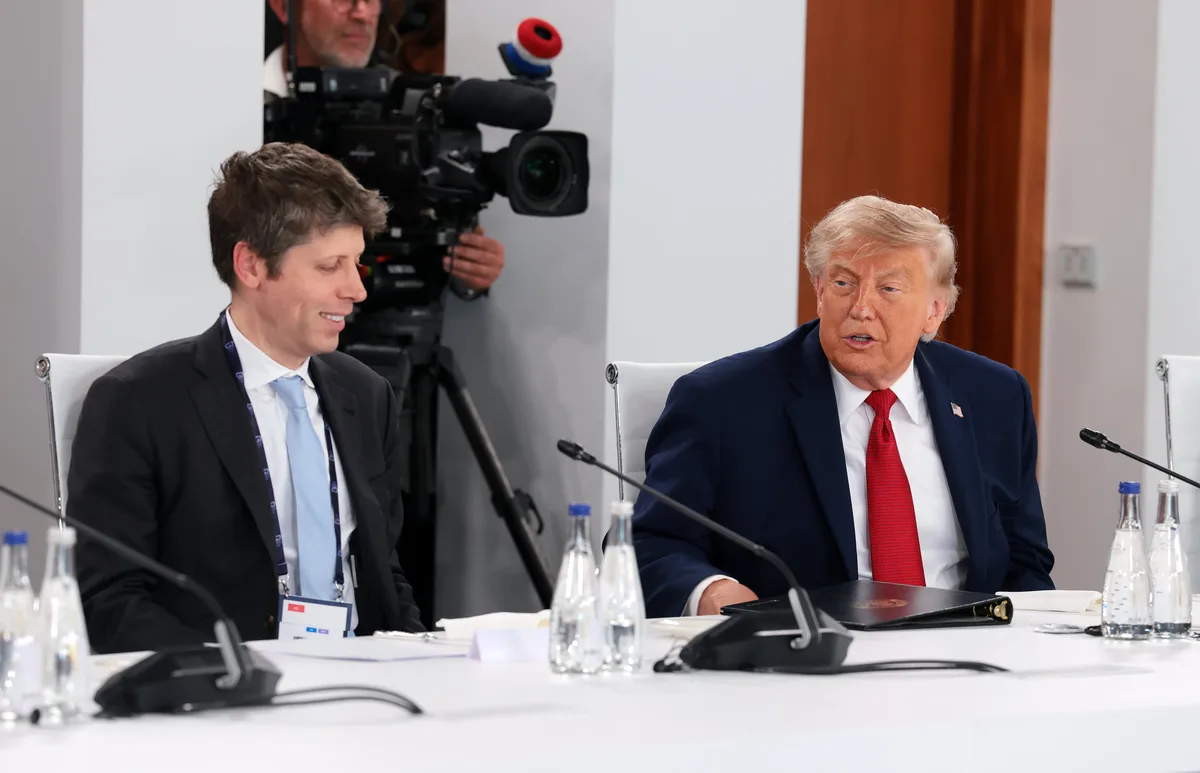
OpenAI is reportedly in discussions to offer the Trump administration a 5% equity stake in the company, a move that would mark an unprecedented entanglement between a leading artificial intelligence firm and the federal government. The proposal, if confirmed, signals how acutely OpenAI feels the weight of Washington's growing scrutiny of the AI sector and reflects a broader effort by the company to reframe its relationship with regulators as a partnership rather than an adversarial standoff.
The timing is notable. President Trump indicated as recently as June that the idea of the United States holding ownership positions in major AI companies struck him as appealing, describing such an arrangement as "a beautiful thing" that would make the American public "partners in this revolution." That rhetoric opened a political door, and OpenAI appears to be walking through it — essentially meeting the administration on its own ideological terrain by offering government a tangible financial interest in AI's upside.
Read more OpenAI Reportedly in Talks to Offer U.S. Government a 5% Stake →
From a strategic standpoint, the gambit carries real logic. A government with equity skin in the game has an incentive to see the company succeed, which could translate into lighter regulatory treatment, smoother access to federal contracts, or at minimum a more sympathetic ear in congressional hearings. It is a well-worn playbook in industries — from defense to telecommunications — where Washington's goodwill is a competitive asset.
Yet the arrangement also raises uncomfortable questions about conflicts of interest, regulatory capture, and whether a government that profits from a company's growth can credibly oversee it. Critics across the political spectrum could reasonably ask whether public ownership of a private AI giant serves citizens or simply entrenches incumbents at the frontier of a technology with profound societal consequences. The proposal puts those tensions into sharp relief before they have been seriously debated in any public forum.
Continue reading at US Top News and Analysis