One Gamer Cashed Out $1,000 in Discs at GameStop After Sony's Disc-Free Announcement
A Columbus gamer traded in a large physical game collection at GameStop days after Sony signaled the end of disc-based PlayStation hardware.
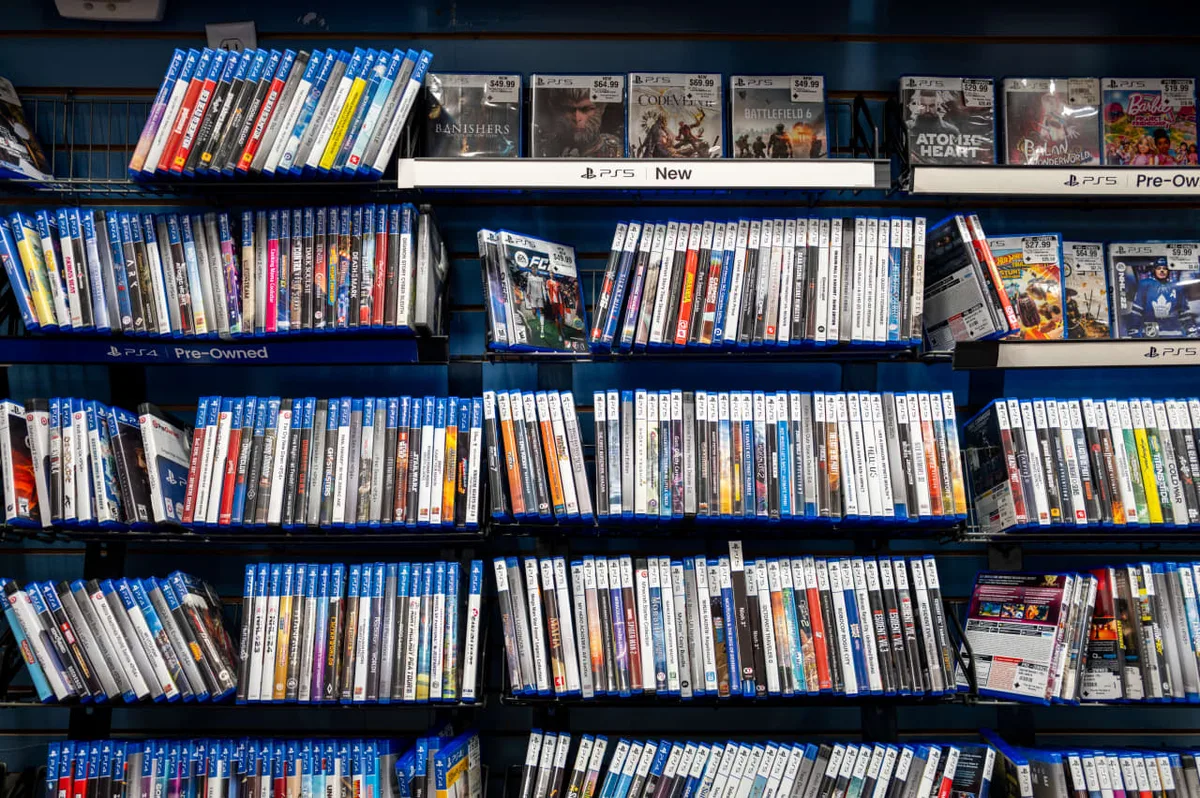
The writing has been on the wall for physical media for years, but Sony's recent announcement accelerating the end of the disc era gave at least one gamer the nudge he needed to act. A Columbus-based player walked into a GameStop and traded in roughly $1,000 worth of physical game discs — a striking, if personal, data point in the broader shift away from tangible game ownership.
The timing is significant. Sony's move signals that the company is doubling down on digital distribution as the default model for PlayStation hardware going forward. For collectors and traditionalists, that represents a genuine philosophical shift: the idea that a game is something you permanently own, can resell, or lend to a friend is increasingly at odds with how major platform holders want the market to function.
Read more Cemtrex Acquires Plant Engineering Services to Enter Auto, Defense Markets →
GameStop itself sits at a peculiar crossroads in this moment. The retailer's core identity was built on the buy-sell-trade ecosystem of physical media, and every announcement from a major console maker nudging consumers toward downloads chips away at that foundation. The Columbus gamer's trade-in is a microcosm of the structural pressure the chain continues to face — individual consumers rationally responding to market signals by liquidating assets before their perceived resale value erodes further.
Not everyone will follow suit. Collectors and physical-media advocates often argue that digital licenses are more vulnerable than a disc on a shelf — platform stores shut down, licenses expire, and ownership terms can change. But for the pragmatist who simply wants to play games rather than preserve them, converting a shelf of plastic into store credit or cash before the market softens makes clear economic sense.
The broader trend suggests this kind of individual calculus will become more common as hardware generations advance. Continue reading at MarketWatch.com