Oman's Strait of Hormuz Fee Talks Unsettle Oil Markets
Oman is leveraging strategic ambiguity in discussions over potential Strait of Hormuz transit fees, alarming diplomats and energy traders alike.
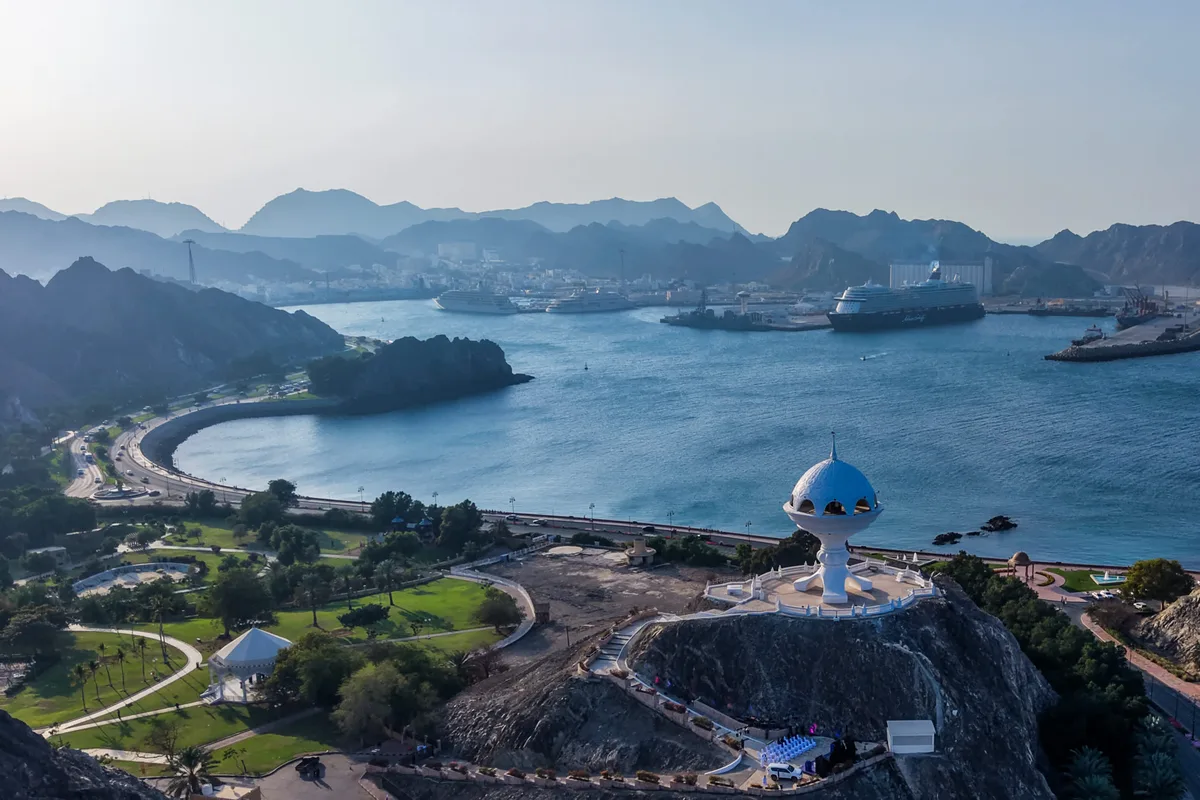
Oman has placed itself at the center of a delicate geopolitical balancing act, as ongoing discussions about potential transit fees on the Strait of Hormuz — the world's most consequential oil chokepoint — raise serious questions about international maritime law, regional diplomacy, and global energy pricing. The sultanate's deliberate use of strategic ambiguity, neither confirming nor clearly rejecting the fee proposal, is generating what analysts describe as a meaningful blind spot for markets trying to price in risk.
The Strait of Hormuz is the passage through which roughly a fifth of the world's traded oil flows, making any credible threat to unimpeded transit a matter of global economic consequence. Oman's geographical position gives it unusual leverage: the strait's southern edge runs through Omani territorial waters, a fact that lends the fee discussion a legal dimension that pure bluster from other regional actors would not carry. The ambiguity is therefore not merely political theater — it carries real jurisdictional weight that international shipping law has not fully anticipated.
Read more Iran Seeks Oil Sales to Japan Amid Sanctions Waiver Talks →
For oil markets, the uncertainty compounds existing volatility. Traders and analysts typically price geopolitical risk when a threat is clear and attributable, but strategic ambiguity by design resists that kind of clean assessment. If markets cannot determine whether a fee regime is imminent, hypothetical, or a negotiating posture aimed at extracting concessions from major consuming nations, they are left with an unquantifiable variable — precisely the kind of risk that tends to be underpriced until it suddenly is not.
Diplomatically, Oman has long cultivated a reputation as the Gulf's quiet mediator, maintaining open channels with Iran while remaining aligned with Gulf Cooperation Council partners and Western powers. That carefully tended neutrality is now being tested. Exploiting Hormuz geography for economic leverage would mark a significant departure from Muscat's traditional posture, and other regional players are watching closely to see whether this represents a genuine policy shift or a calculated signal meant for an audience beyond the strait itself.
The episode is a reminder that chokepoint geography remains one of the most underappreciated levers in global energy politics, and that even smaller states can move markets and diplomatic calendars when they sit astride critical infrastructure. Continue reading at US Top News and Analysis.