Oil Surges 10% as Trump Blockades Iran and Seizes Hormuz Toll
Trump's Iran blockade and a 20% Strait of Hormuz shipping toll rattled global markets, sending oil higher and stocks sharply lower.
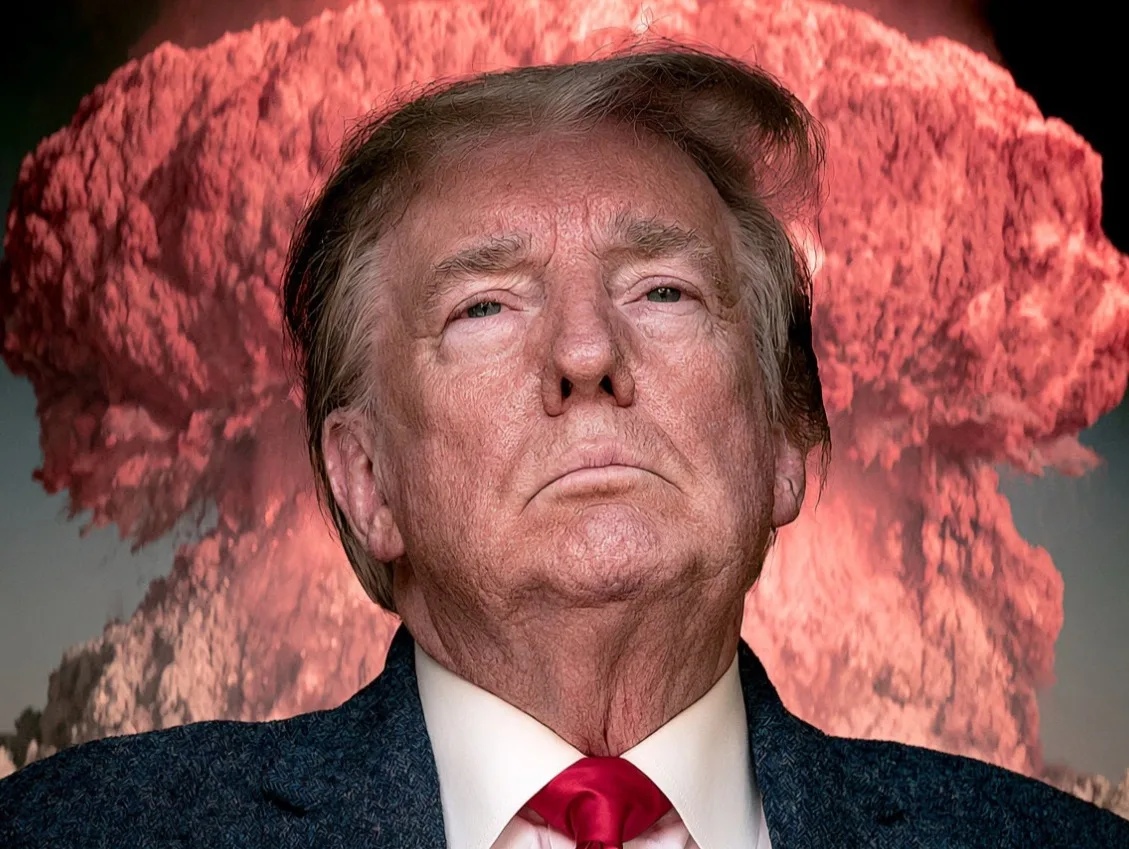
A dramatic escalation in US-Iran tensions reshaped Tuesday's market session after President Trump announced a full naval blockade of Iran and declared that the United States would impose a 20% toll on all commercial shipping passing through the Strait of Hormuz. The move, framed as a fee for "safe passage," is a geopolitical gambit with few precedents in modern maritime history — and financial markets responded accordingly. WTI crude oil surged nearly 10%, briefly trading near $77.64 a barrel, before trimming the move slightly into the close.
The announcement carried echoes of the market turbulence seen in April, when a prior round of Iran-related tensions briefly disrupted risk assets. Fresh US strikes targeting commercial ships in the region compounded the uncertainty. Trump signaled he would deliver a speech Thursday evening, raising the possibility that this represents the opening phase of a more sustained military and economic campaign rather than a one-off warning shot. That framing alone is enough to keep a geopolitical risk premium baked into energy prices.
Read more Kalshi Launches Pro Platform for High-Volume Event Contract Traders →
The dollar's strength had a second, distinct catalyst: Federal Reserve Governor Christopher Waller completed what can only be described as a full policy pivot. Having previously struck a dovish tone on the jobs market, Waller said Tuesday that those concerns were misplaced and warned that another hot core inflation reading this week would force the FOMC to "consider tightening monetary policy in the near term." Markets took the signal seriously, pushing the probability of a July 29 rate hike to 40% and lifting 2-year Treasury yields to their highest level since February 2025 — before the Fed's three consecutive cuts.
Equities bore the brunt of the dual pressure from geopolitical risk and renewed tightening fears. The S&P 500 fell 0.8% while the Nasdaq shed 1.7%, with semiconductor names particularly hard hit — Intel dropped nearly 7% and Micron fell close to 5%. With markets closing near session lows across stocks, bonds, and foreign exchange, the technical picture suggests traders are not yet willing to fade the move. Bank earnings on Wednesday will be the next critical inflection point for equities, arriving into a notably unsettled macro backdrop.
Continue reading at Forexlive.