Oil Prices Near Pre-War Lows, but Supply Risks Linger
Crude has retreated toward pre-conflict levels, yet analysts caution that Iranian leverage over a critical shipping lane could trigger a swift reversal.
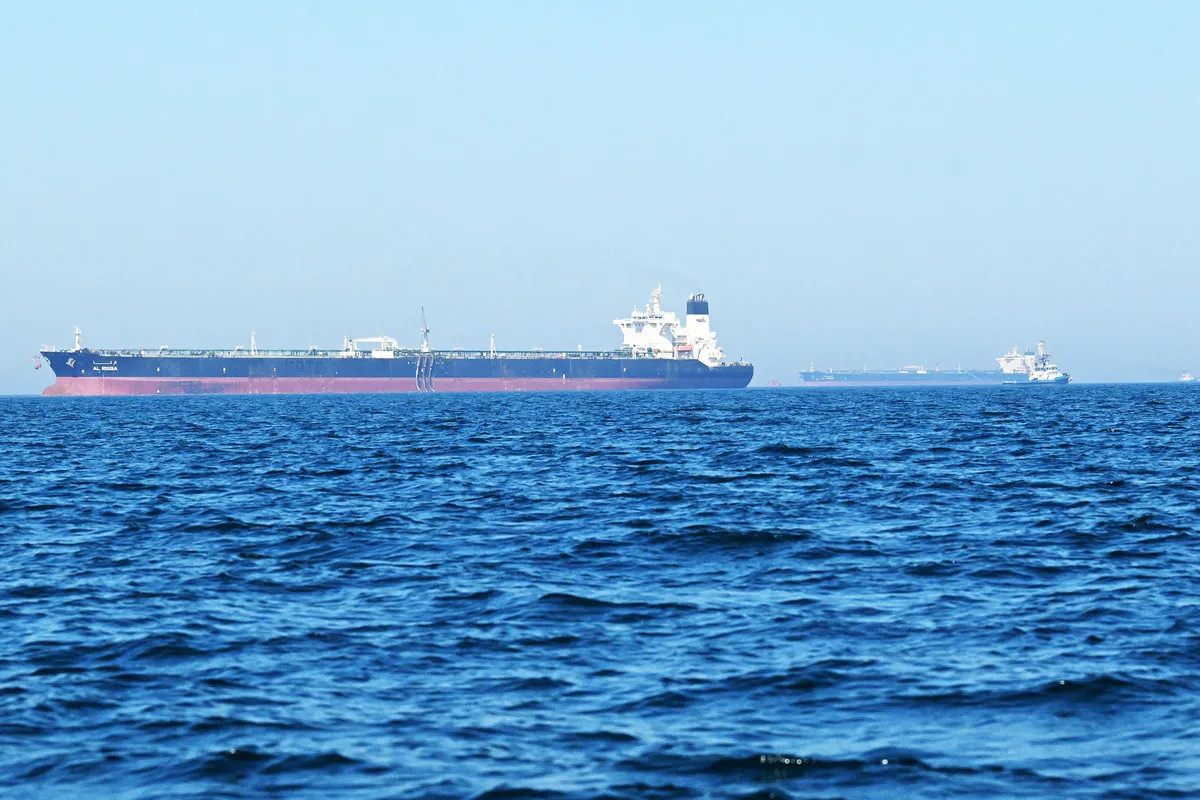
Oil prices have pulled back sharply from their wartime peaks, settling near levels last seen before the current cycle of Middle East conflict began. For consumers and policymakers who endured months of elevated energy costs, the retreat offers welcome relief — but commodity strategists urge against reading it as a signal of lasting stability.
At the heart of the concern is Iran's persistent ability to threaten traffic through the Strait of Hormuz, the narrow waterway through which roughly one-fifth of the world's seaborne oil passes. Even without a direct military confrontation, the credible threat of disruption is enough to keep a risk premium embedded in global energy pricing, analysts warn. That premium may have compressed in recent weeks, but it has not disappeared.
Read more DCC Plc Draws Regulatory Disclosure Filing Under Form 8.3 →
Shipping costs remain an important secondary variable. When geopolitical tension rises in the region, tanker operators typically demand higher war-risk insurance premiums and reroute vessels, adding both time and expense to global supply chains. Those logistics costs eventually filter into refined fuel prices, meaning the pump price impact of any flare-up can arrive faster than the underlying crude market would suggest.
The broader analytical takeaway is that the current price environment reflects a fragile equilibrium rather than a structural easing of supply risk. Markets appear to be pricing in a baseline scenario of continued — if uneasy — stability, leaving them potentially underhedged against a scenario in which Iranian leverage is actually exercised. Commodity strategists are flagging this gap between perceived and actual risk as the key vulnerability heading into the months ahead.
For energy traders, corporate planners, and policymakers alike, the message is straightforward: lower prices today do not eliminate the conditions that drove prices higher yesterday. Continue reading at US Top News and Analysis.