Oil Climbs, Futures Slip as U.S.-Iran Strikes Escalate Near Hormuz
Weekend exchanges of fire between U.S. and Iranian forces rattled energy markets, pushing oil higher while stock futures retreated.
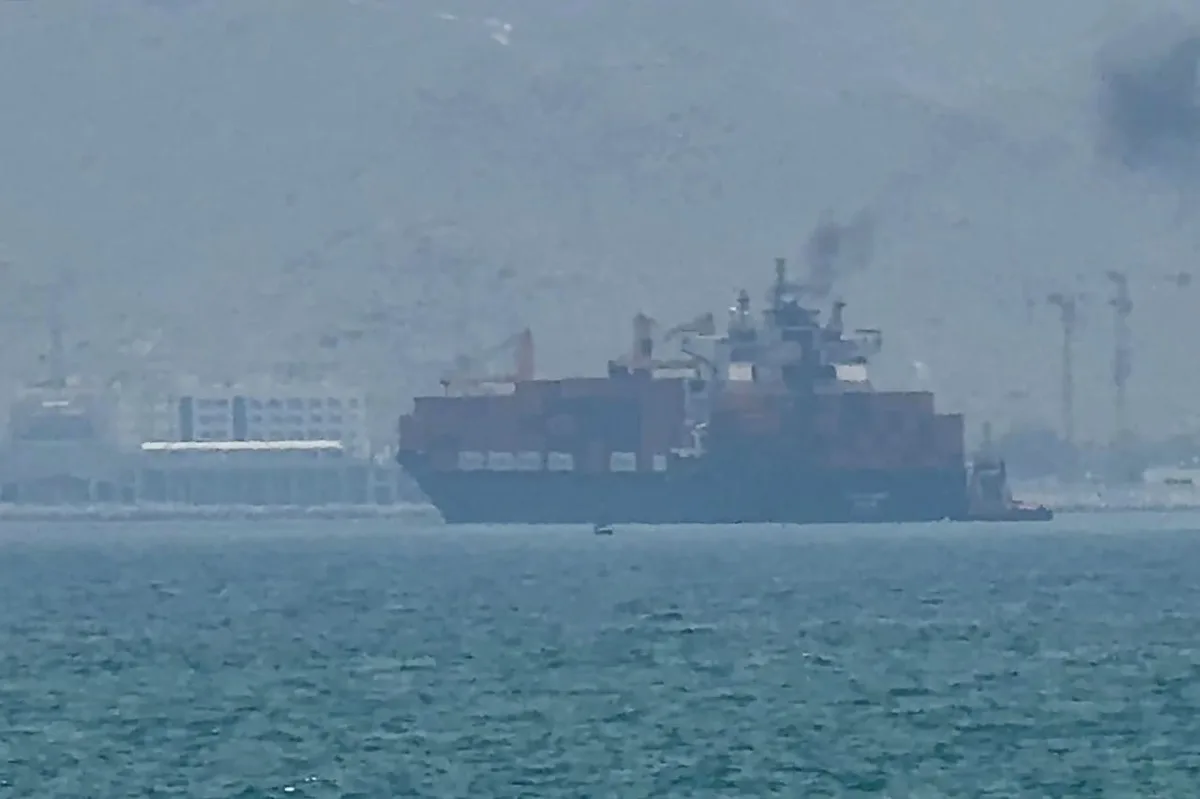
Markets opened the new week on edge after the United States and Iran exchanged military strikes near the Strait of Hormuz over the weekend, reigniting concerns about one of the world's most critical energy chokepoints. Oil prices moved higher in early trading Sunday as traders priced in the risk of supply disruption, while U.S. stock-index futures pulled back — a classic flight-to-safety dynamic that tends to emerge whenever the Persian Gulf region faces acute instability.
The Strait of Hormuz carries an outsized weight in global energy calculations. Roughly 20 percent of the world's traded oil passes through the narrow waterway, meaning any credible threat to navigation there can transmit almost instantly into commodity prices. The weekend's escalation represents the latest chapter in a cycle of retaliatory strikes, and markets are clearly pricing in the possibility that the back-and-forth could intensify before it de-escalates.
Read more Citigroup Stands Out in Bank Earnings Season — But Challenges Remain →
For equity investors, the dual pressure of rising energy costs and geopolitical uncertainty presents a familiar but unwelcome combination. Higher oil prices act as a tax on corporate margins and consumer spending, while military flashpoints tend to compress the risk appetite that keeps growth assets bid. The dip in futures Sunday reflects that calculus, even if the moves remained measured rather than panicked in early going.
The situation also lands at a delicate moment for monetary policy. Persistent energy-price spikes have the potential to complicate the Federal Reserve's inflation outlook, adding an exogenous variable to an already uncertain rate path. Policymakers and analysts will be watching closely to see whether the strikes remain contained or signal a broader escalation that could durably shift the supply picture for crude.
Continue reading at MarketWatch.com