Netflix Prices Have Risen 29% in a Year — Should Washington Act?
Netflix's rapid price increases are drawing Wall Street praise and regulatory scrutiny as critics push for government intervention.
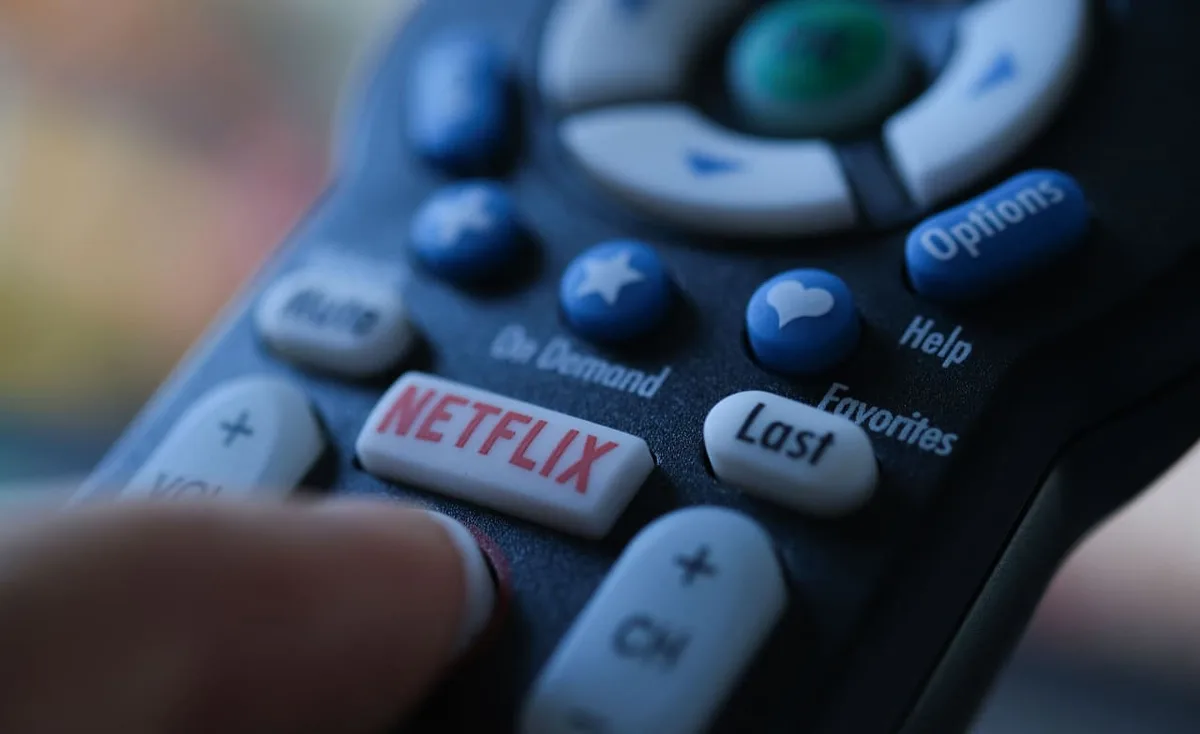
Netflix has become one of the more striking examples of a corporate pricing story that simultaneously pleases investors and alarms consumer advocates. Over the span of just a little more than a year, the monthly cost of a Netflix subscription has climbed roughly 29%, a pace that far outstrips broader inflation and raises legitimate questions about market power in the streaming industry.
For Wall Street, the math is straightforward: higher prices translate directly into stronger revenue and improved margins, particularly as subscriber growth in mature markets like the United States plateaus. Netflix's ability to push through repeated price hikes without triggering mass cancellations is widely read by analysts as evidence of deep consumer lock-in — a moat built on original content, brand familiarity, and the absence of a clear single competitor that matches its breadth of programming.
Read more Senate Banking Panel Grills Warsh on AI and Data Centers →
Yet that same pricing power is precisely what critics argue warrants a closer look from federal regulators. The concern is less about any one price increase and more about the structural conditions that make them possible. When a platform becomes sufficiently embedded in household routines, the line between a subscription service and a utility begins to blur, and the usual market corrective — consumers simply switching — loses its teeth.
Washington has shown renewed interest in Big Tech and media consolidation broadly, but streaming services occupy a somewhat ambiguous regulatory space. They are not traditional broadcasters subject to FCC oversight, nor are they classified as utilities. That gap, critics contend, is exactly where companies like Netflix operate with the greatest freedom to set prices on their own terms, with limited structural accountability to consumers.
Whether regulators ultimately move to address streaming pricing remains an open question, but the Netflix case is sharpening the debate about where consumer protection ends and market freedom begins in the digital subscription economy. Continue reading at MarketWatch.com