Nasdaq Moves Market Data Distribution onto Blockchain Infrastructure
Nasdaq is expanding how it delivers market data by integrating blockchain infrastructure, signaling a broader shift in how financial exchanges approach data distribution.
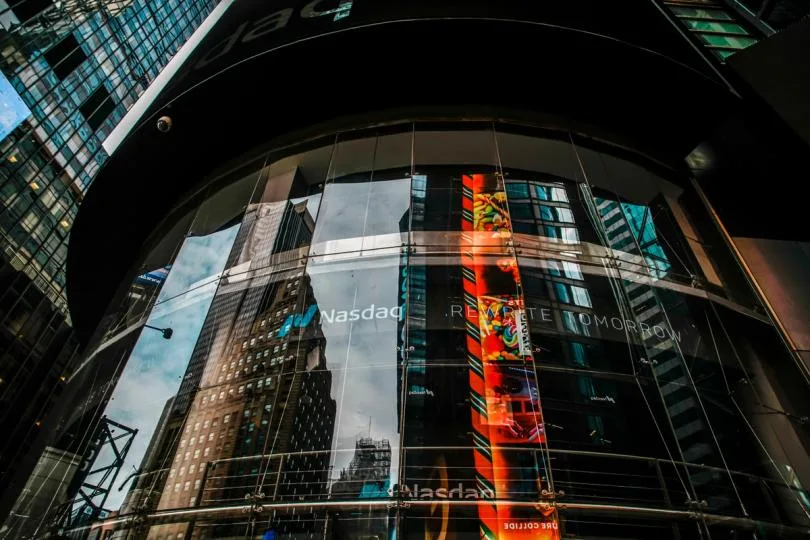
Nasdaq, one of the world's largest and most closely watched stock exchanges, is taking a meaningful step toward integrating blockchain technology into its core data operations. The exchange is expanding the distribution of its market data through blockchain infrastructure, a move that reflects growing institutional appetite for decentralized and more transparent data pipelines.
The significance of this development extends beyond a single technology upgrade. Market data is the lifeblood of modern finance — traders, analysts, and algorithmic systems depend on it to make split-second decisions worth billions of dollars. By routing that data through blockchain-based infrastructure, Nasdaq is effectively testing whether distributed ledger technology can meet the rigorous demands of institutional-grade financial information delivery.
Read more Bitcoin Nears Realized Price, a Historic Bear Market Bottom Signal →
This shift also carries implications for how legacy financial institutions are beginning to view blockchain — not as a speculative asset class, but as operational infrastructure. Rather than simply offering crypto-related products to investors, exchanges like Nasdaq appear increasingly willing to embed blockchain technology into their own back-end systems, lending the technology a layer of institutional credibility it has long sought.
For the broader market data industry, Nasdaq's move could act as a catalyst. Competitors and data vendors may feel pressure to evaluate similar integrations, particularly as clients begin to expect the auditability, immutability, and potential cost efficiencies that blockchain-based distribution can theoretically provide. Whether those theoretical advantages translate into measurable operational gains will be the critical question to watch.
Continue reading at CoinDesk.