Musk Accelerates SpaceX Orbital Data Center Timeline Again
Elon Musk has once again pushed up the schedule for SpaceX's ambitious orbital data center project, signaling aggressive expansion into space-based computing.
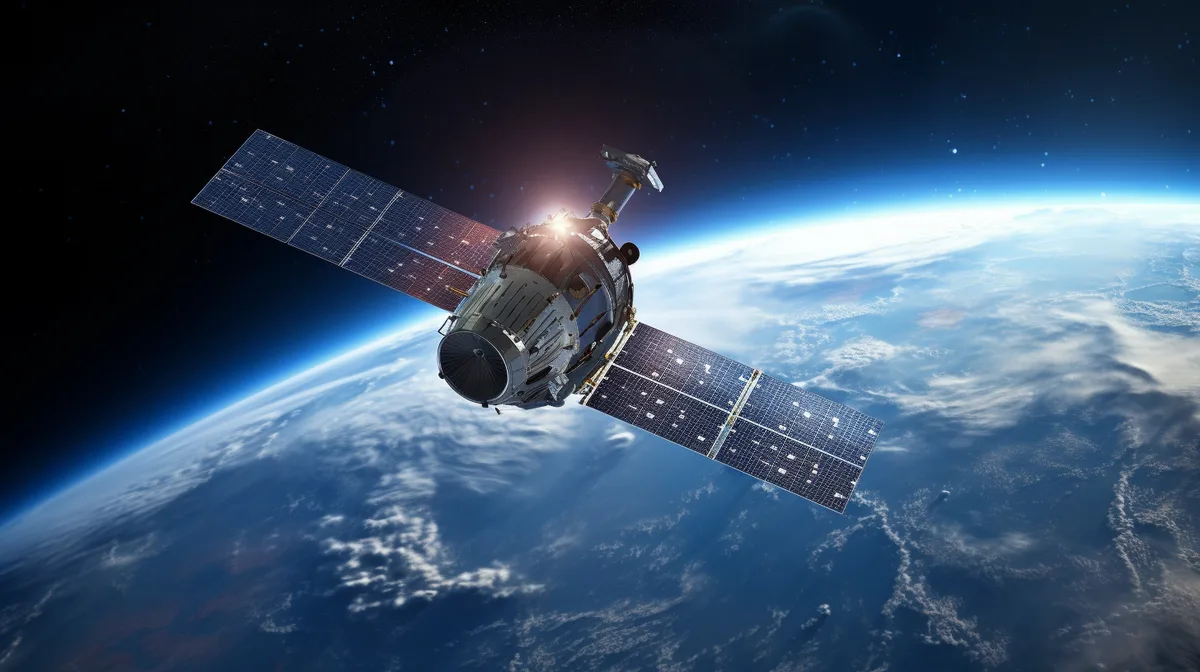
Elon Musk has a well-documented habit of compressing timelines, and his orbital data center ambitions at SpaceX appear to be no exception. The billionaire entrepreneur has moved up the projected schedule for the company's space-based computing infrastructure for at least the second time, underscoring how rapidly the vision is evolving — even if concrete operational details remain sparse.
Orbital data centers represent a genuinely novel frontier in cloud computing, promising low-latency global coverage and an escape from the terrestrial constraints of land, power grids, and cooling infrastructure that increasingly bottleneck earthbound server farms. SpaceX, already operating the world's largest commercial satellite constellation through Starlink, is uniquely positioned to pursue such an endeavor, with launch costs and orbital logistics far below what any rival could currently replicate.
Read more CrowdStrike CEO Flags AI as a Test of Legacy Cybersecurity Tools →
The repeated acceleration of the timeline is notable for several reasons. It suggests internal confidence — or at minimum, internal pressure — to demonstrate progress in a computing market that has grown white-hot amid the artificial intelligence infrastructure boom. Hyperscalers and sovereign governments alike are scrambling for data center capacity, and a credible orbital alternative, even years away from full deployment, could command serious commercial interest and reshape how investors value SpaceX's long-term addressable market.
That said, moving up timelines is a pattern Musk has deployed across Tesla, SpaceX, and his other ventures, sometimes as a genuine reflection of engineering progress and sometimes as a motivational tool. Observers should weigh the revised schedule against the formidable technical and regulatory challenges that space-based computing still faces, from radiation hardening of hardware to spectrum coordination and orbital debris management. The vision is compelling; the execution will be the test.
Continue reading at Yahoo Finance.