Microchip Technology's Armenia Office Wins U.S. Export License for FPGA Work
Microchip Technology secured a U.S. export license for its Armenia office to develop advanced FPGAs, a notable regulatory milestone for the chipmaker.
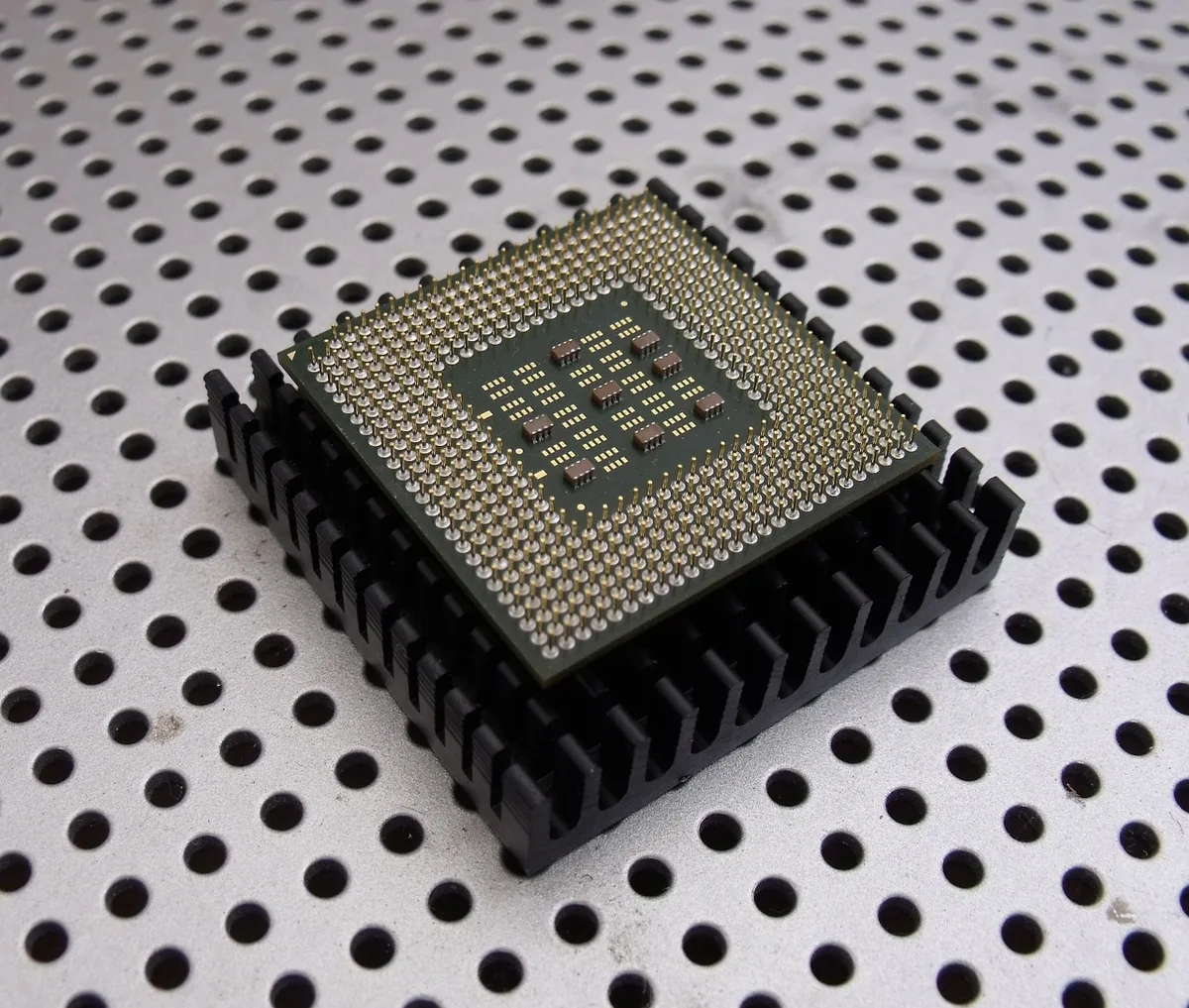
Microchip Technology's office in Armenia has obtained a U.S. export license authorizing advanced field-programmable gate array (FPGA) development, a regulatory approval that carries meaningful implications for the semiconductor firm's international engineering footprint. Export licenses of this kind are issued by U.S. authorities and are required when sensitive technology is transferred or developed in jurisdictions subject to trade controls, making the clearance a signal of regulatory confidence in the Armenia operation.
FPGAs are highly versatile chips used across defense electronics, telecommunications infrastructure, data centers, and industrial automation. Their programmable nature means they can be reconfigured for specific tasks after manufacturing, which makes them strategically valuable — and therefore subject to stricter export oversight than many commodity semiconductors. Winning authorization to pursue advanced FPGA development outside U.S. borders underscores the specialized expertise Microchip has cultivated in Armenia.
Read more CI&T Joins Anthropic's Claude Partner Network as AI Alliances Grow →
For Microchip Technology, which has faced cyclical revenue pressure across the broader semiconductor industry in recent periods, expanding the capabilities of its international engineering centers could serve as a longer-term efficiency and talent strategy. Armenia has grown as a technology hub in the South Caucasus region, attracting engineering talent and investment from multinational firms. The export license effectively legitimizes and potentially expands the scope of engineering work that can flow through that office.
From a policy standpoint, the approval reflects the nuanced calculus U.S. regulators apply when evaluating export license requests: balancing allied-nation economic development, corporate competitiveness, and national security considerations. As Washington continues to tighten controls on advanced chip technology in some geographies, clearances granted in others demonstrate that the export licensing system remains a tool for enabling — not merely restricting — strategic technology partnerships.
Continue reading at Yahoo Finance.