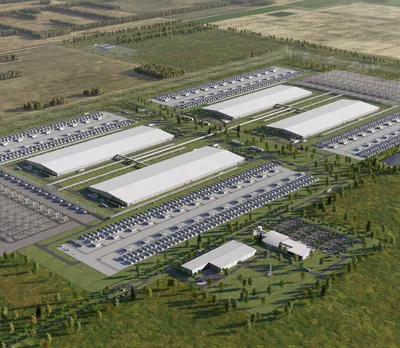
Meta Breaks Ground on Its First Major Canadian Data Center
Meta's Canadian data center marks a significant northward push in Big Tech's AI infrastructure race, signaling growing cross-border investment.
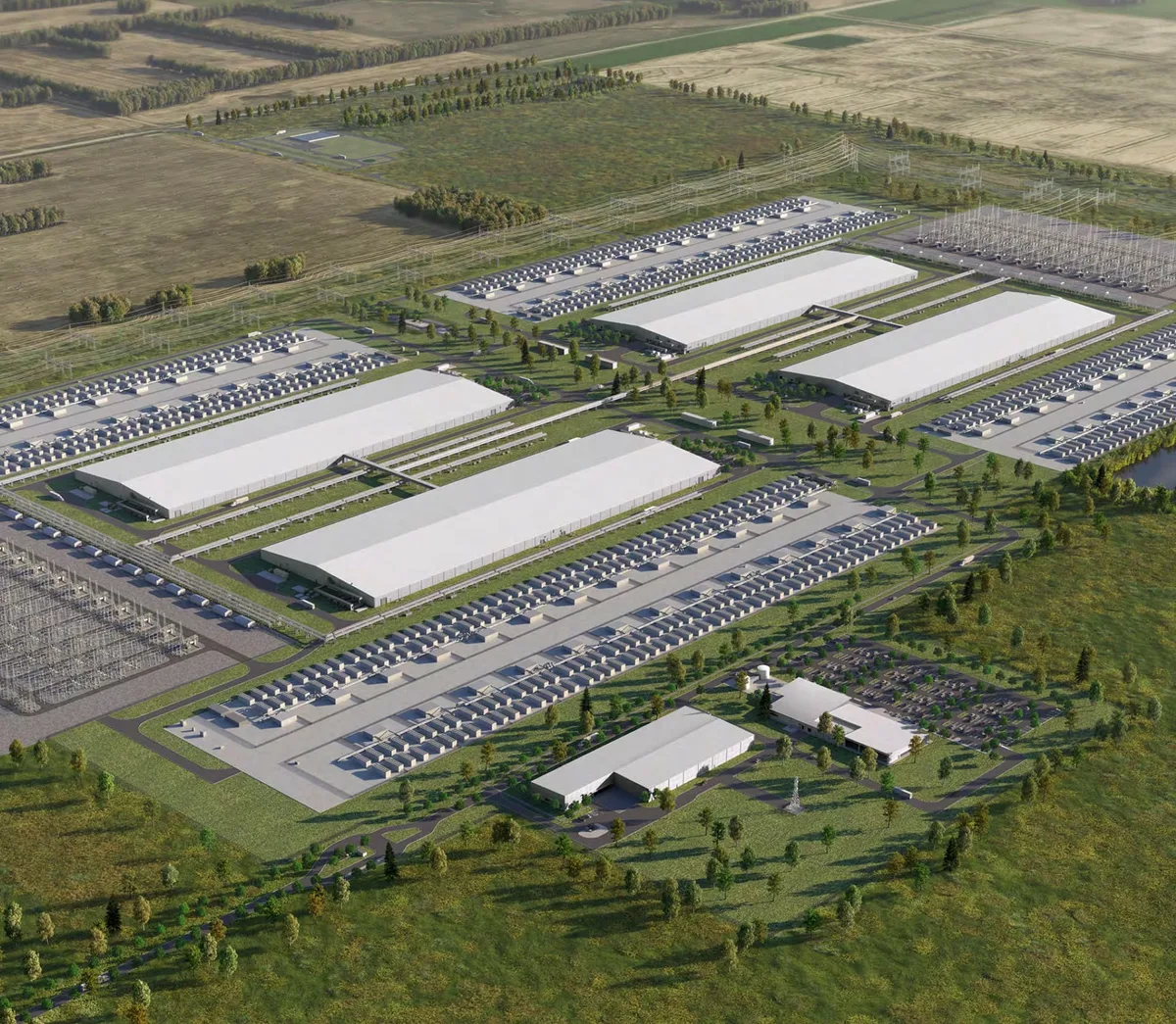
Meta is expanding its artificial intelligence infrastructure into Canada with its first large-scale data center in the country, a move that underscores how the global race to build AI compute capacity is no longer contained within U.S. borders. The project represents a meaningful geographic diversification for the social media giant, which has been aggressively scaling its data infrastructure to support AI workloads across its platforms.
The announcement fits into a broader pattern among major technology companies that are scouring North America for viable locations to house energy-intensive server farms. Canada offers a combination of cooler climates — which naturally reduces cooling costs — and access to relatively cleaner hydroelectric power in several provinces, both of which are operational and regulatory advantages that U.S. locations increasingly struggle to match.
Read more OpenAI Plans Public Release of GPT-5 and New Conversational AI Models →
For Canada, landing a flagship Meta facility signals a growing appetite among provincial and federal authorities to attract high-value technology investment. Data centers bring construction jobs, long-term operational employment, and a strengthened position in the digital economy, though they also raise questions about energy grid demand and local resource allocation that policymakers will need to weigh carefully.
Meta's Canadian expansion also arrives at a moment when the company is deepening its commitment to proprietary AI development, having invested heavily in large language models and AI-driven content recommendation systems. A dedicated northern data center would give Meta additional capacity headroom as those computational demands continue to climb, reducing latency for Canadian users and potentially serving as a hub for broader North American operations.
The strategic logic is clear: as AI models grow larger and more resource-hungry, proximity to affordable, reliable, and sustainable power becomes a decisive competitive factor. Continue reading at US Top News and Analysis.