Memory Chips Are Driving the AI Boom—and Micron's Edge Looks Durable
Semiconductor revenue is on pace to hit $1.5 trillion, with memory chips emerging as the defining force behind AI infrastructure.
The semiconductor industry is approaching a milestone that would have seemed implausible just a few years ago: $1.5 trillion in annual revenue, projected to arrive this year. What makes the moment particularly striking is which segment is doing the heavy lifting. Memory chips — long regarded as commoditized, cyclical, and unglamorous compared to the logic processors that grab headlines — have emerged as the quiet engine powering the artificial intelligence buildout.
The logic is straightforward once you trace the data flows inside a large AI model. Training and inference alike require enormous amounts of high-bandwidth memory sitting close to the processor, feeding it data faster than traditional DRAM architectures could ever manage. That demand has transformed memory from a boom-and-bust commodity into something closer to critical infrastructure — and companies positioned at the frontier of high-bandwidth memory design are reaping the rewards accordingly.
Read more Drug Stocks Slide but Lilly Holds Firm; Boeing Delivery Data Mixed →
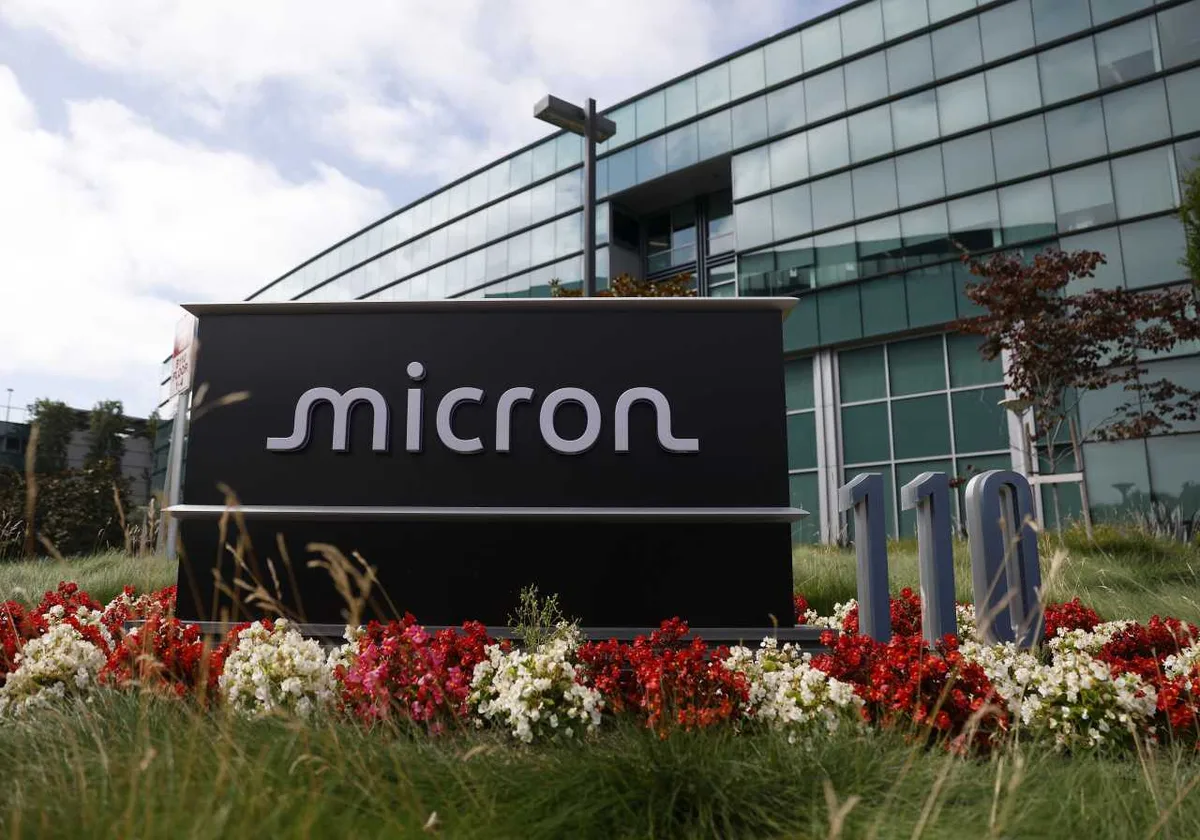
Micron Technology occupies a meaningful position in that landscape. As one of the few companies globally capable of manufacturing advanced memory at scale, Micron benefits from a supply side that is structurally constrained. Building leading-edge memory fabrication plants requires years of planning, tens of billions in capital expenditure, and a shrinking pool of equipment suppliers who can deliver the necessary tools. That combination of demand urgency and supply scarcity is precisely the environment in which pricing power consolidates around established players.
The deeper analytical point is about durability. Prior memory cycles were driven by consumer electronics and PC demand — markets that proved volatile and easily oversupplied. AI infrastructure spending, by contrast, is being funded by hyperscalers with multi-year capital commitment horizons, suggesting a more persistent demand floor than the industry has historically enjoyed. Whether that insulates memory makers from their traditional cyclicality remains an open question, but the structural argument for a longer upcycle than usual is more credible now than it has been in decades.
Continue reading at MarketWatch.com