Japanese Yen Hits 40-Year Low, Raising Intervention Fears
The yen fell to its weakest point against the dollar since 1986, putting markets on alert for possible action by Japanese authorities.
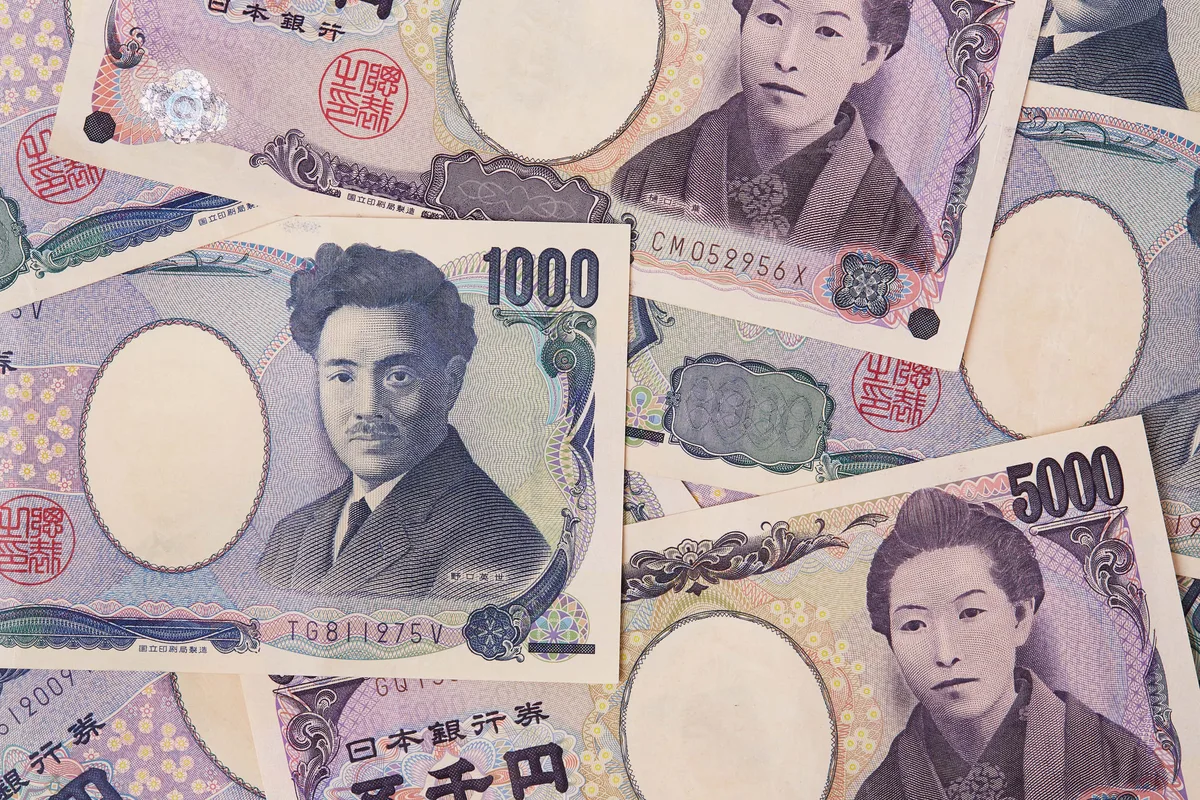
The Japanese yen tumbled to a four-decade nadir against the U.S. dollar on Tuesday, reaching levels not seen since 1986 and reigniting a debate that has shadowed currency markets for much of the past two years: when, and whether, Tokyo will step in to defend its currency.
The move places Japanese authorities in a familiar bind. A persistently weak yen raises the cost of imported goods — particularly energy and food — squeezing consumers and businesses that depend on overseas supply chains. At the same time, yen depreciation offers a tailwind to Japan's export-heavy manufacturers, creating a political and economic tension that policymakers must navigate carefully.
Read more DCC Plc Draws Regulatory Disclosure Filing Under Form 8.3 →
Market participants have learned to watch Japanese officials closely for verbal warnings, which historically precede direct intervention. Tokyo has previously entered currency markets to prop up the yen, most notably in late 2022, spending hundreds of billions of yen to stabilize the exchange rate. Each episode underscores that the Bank of Japan and the Ministry of Finance view sharp, disorderly moves as more concerning than any particular price level.
The broader context is a stubborn interest rate differential between the United States and Japan. While the Federal Reserve has kept rates at elevated levels, the Bank of Japan has only cautiously moved away from its ultra-loose monetary policy stance — a divergence that continues to make dollar-denominated assets more attractive relative to yen holdings, sustaining downward pressure on the currency.
For global investors, the yen's slide is more than a bilateral exchange-rate story. It carries implications for carry trades, Asian currency stability, and the pricing of risk across emerging markets. How Japanese authorities respond — or choose not to — will likely set the tone for currency volatility in the months ahead. Continue reading at US Top News and Analysis.