Japan's Foreign Reserves Fall Record $80B After Yen Defense
Tokyo's official reserves dropped to $1.207 trillion in August, the steepest single-month decline on record, after authorities intervened to support the yen.
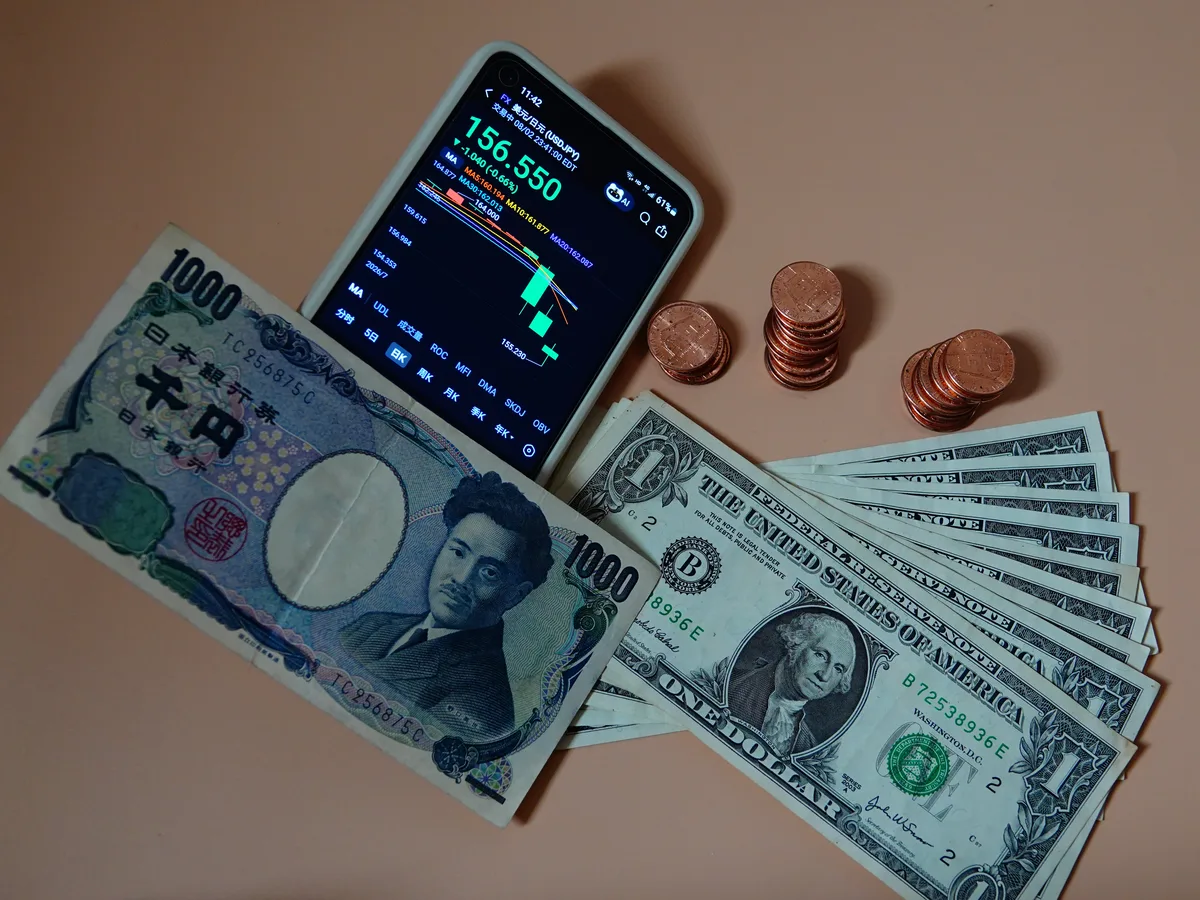
Japan's foreign currency reserves fell by roughly $80 billion in August, the largest single-month decline ever recorded, as Tokyo deployed its financial firepower to arrest a sliding yen. Finance Ministry data confirmed that official reserves stood at $1.207 trillion at the end of August, down sharply from the $1.287 trillion logged in July — a drawdown that signals just how aggressively Japanese authorities moved to defend their currency.
Currency intervention of this scale is rarely undertaken lightly. When a central bank or finance ministry sells foreign assets — typically U.S. Treasuries — to buy its own currency, it is making a high-stakes bet that market sentiment can be turned. The sheer magnitude of August's reserve reduction suggests Japan concluded that the yen's weakness had reached a threshold that threatened broader economic stability, particularly by amplifying import costs for energy and food.
Read more Apple Stock Before Its Launch Event: Buy, Wait, or Pass? →
The episode underscores a persistent tension in Japanese monetary policy. While the Bank of Japan has maintained an ultra-loose interest rate stance to stimulate a sluggish domestic economy, that same policy has made the yen a perennial target for carry traders, who borrow in low-yield yen to fund higher-yielding investments elsewhere. Intervention can buy time, but without a shift in underlying rate differentials between Japan and major economies like the United States, the structural pressure on the yen remains intact.
For global markets, a $80 billion drawdown in Japanese reserves carries secondary implications. Japan is one of the largest foreign holders of U.S. government debt, and large-scale liquidation of Treasuries to fund yen purchases can exert upward pressure on U.S. yields — a ripple effect that connects Tokyo's currency defense to borrowing costs far beyond Japan's borders. Analysts will be watching subsequent reserve data closely to gauge whether intervention continued into September or whether authorities chose to hold their remaining ammunition.
Continue reading at US Top News and Analysis.