Jamie Dimon's Treasury Warning Echoes What Many Investors Already Did
JPMorgan's CEO flagged long-term Treasuries as a poor bet even in a stock downturn. Many market participants had already repositioned accordingly.
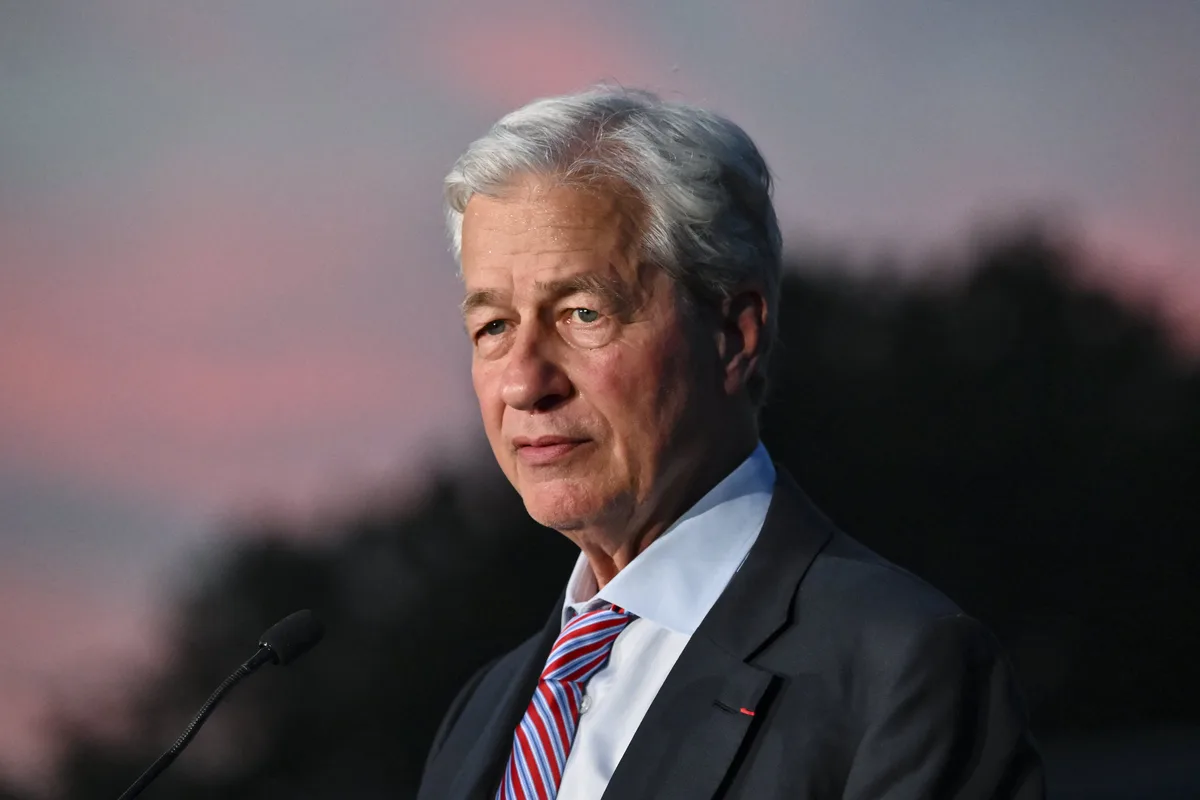
Jamie Dimon, the chief executive of JPMorgan Chase, issued a pointed caution this week: long-term U.S. Treasury bonds are not an attractive investment, and that assessment holds even if equity markets were to decline sharply. For a Wall Street figure of Dimon's stature, such a direct bearish call on government debt carries significant weight — and the timing suggests he may be articulating a consensus that sophisticated investors quietly formed months ago.
What makes Dimon's warning analytically interesting is the implicit challenge it poses to one of investing's most durable assumptions: that Treasuries serve as a reliable safe haven when stocks sell off. If that inverse correlation weakens — or breaks entirely — it forces a fundamental rethink of traditional portfolio construction, particularly for institutions that rely on bonds to cushion equity volatility.
Read more SpaceX Short Interest Climbs to 32% as Musk Warns Bears →
The broader context here matters. Long-duration Treasuries have endured an extended period of underperformance as inflation, fiscal deficit concerns, and shifting Federal Reserve policy expectations weighed on the asset class. Many institutional and retail investors appear to have absorbed those lessons ahead of Dimon's public remarks, rotating out of longer-dated government debt well before the JPMorgan CEO put his name to the bearish thesis.
Dimon's public stance, then, may function less as a market-moving revelation and more as authoritative confirmation of a repositioning that was already underway. That dynamic — where a high-profile executive validates a prevailing trade rather than initiates one — is itself a telling signal about where sentiment in the bond market currently sits. When the CEO of the largest U.S. bank by assets says what the market already believes, it tends to harden conviction rather than spark fresh action.
For everyday investors still holding long-duration bond funds as a defensive anchor, the message is worth examining carefully. The traditional playbook may need updating in an environment where government debt carries its own structural risks. Continue reading at US Top News and Analysis.