Is Palo Alto's School Board Overstepping Its Authority?
A guest opinion questions whether the Palo Alto school board is acting beyond its mandate, raising governance concerns in one of California's wealthiest districts.
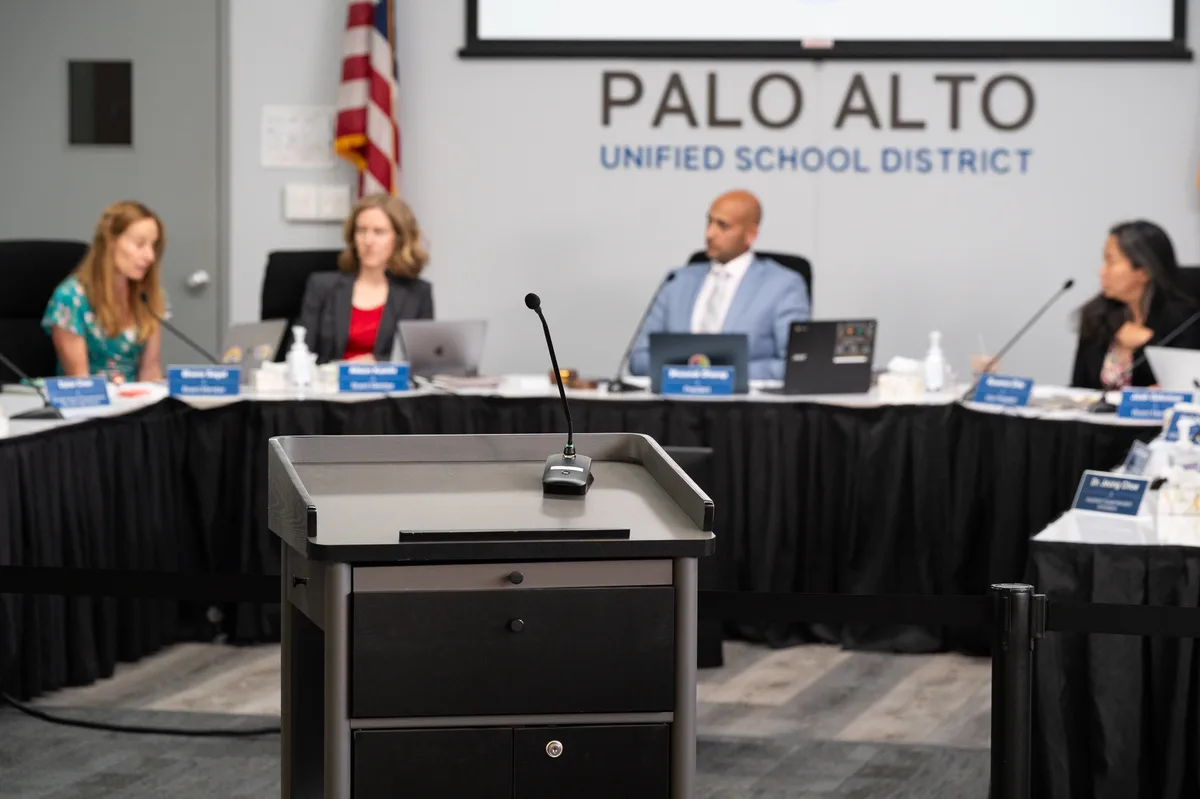
Questions about school board governance are rarely confined to a single district, but when they arise in Palo Alto — home to one of California's most scrutinized and well-resourced public school systems — they tend to carry broader implications. A guest opinion published by Palo Alto Online, written by columnist Diana Diamond, raises pointed concerns about whether the Palo Alto Unified School District's board has been operating outside the boundaries of sound, accountable governance.
While the full text of Diamond's column is available only to subscribers, the headline framing — asking whether the board is "running amok" — signals a critique that goes beyond routine policy disagreement. Such language typically implies a pattern of behavior: decisions made without adequate public input, priorities misaligned with community needs, or leadership that has drifted from its core educational mission. These are charges that, if substantiated, would represent a significant accountability failure in a district that draws intense attention from parents, taxpayers, and education-policy observers alike.
Read more Oklahoma City's HD 92 Seat Filled After Extended Vacancy →
School board overreach is a recurring theme in American public education, particularly in affluent communities where stakeholder expectations are high and competing interests are intense. Boards that expand their footprint into administrative micromanagement, or that pursue ideological agendas without broad consensus, often find themselves at odds with both professional educators and the parents they serve. The tension between elected oversight and day-to-day operational authority is a structural challenge that no district fully resolves.
Palo Alto Unified has long been a bellwether for debates about equity, academic rigor, and resource allocation in public schools. Any serious question about whether its elected board is functioning within appropriate limits deserves careful public examination — not just from local residents, but from anyone tracking the health of democratic governance in American education.
Continue reading at paloaltoonline (diana diamond).