IRS Eases Penalty Rules for Taxpayers Who Make Mistakes
The IRS has updated its approach to tax underpayment penalties, offering relief that one internal advocate calls a major win for taxpayers.
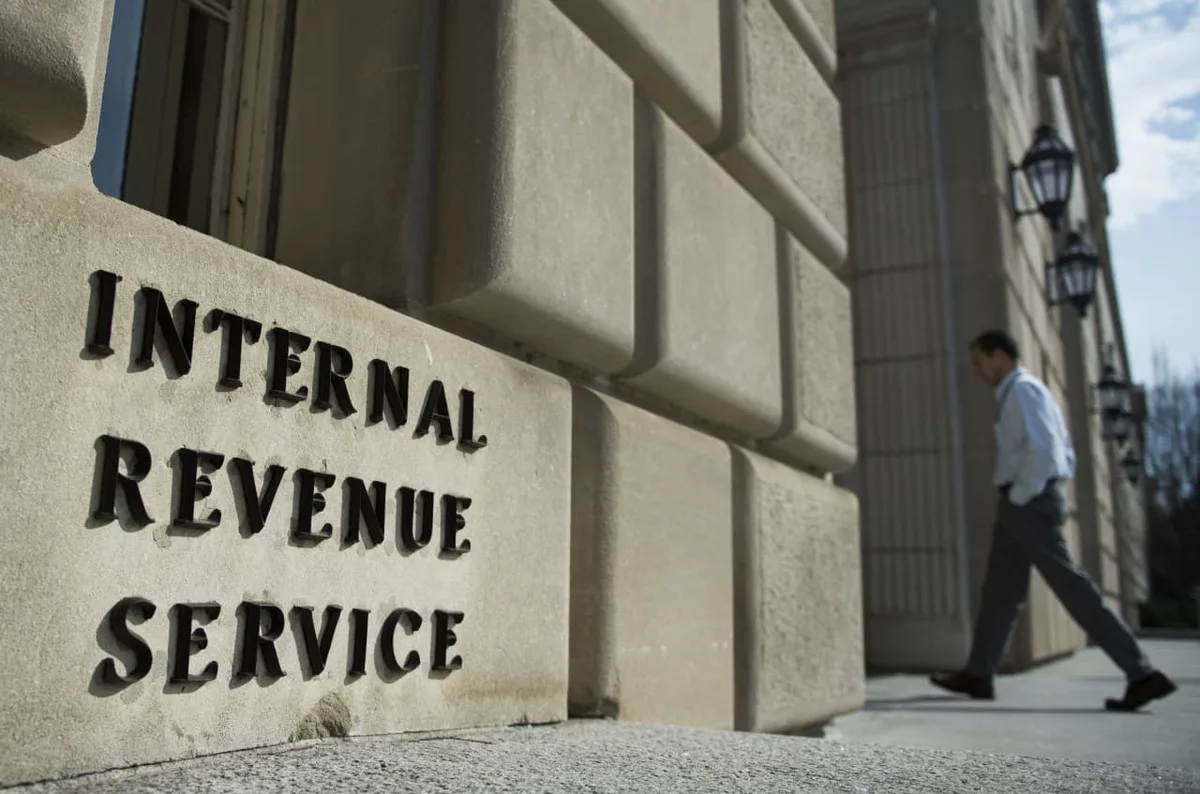
The Internal Revenue Service has quietly shifted its stance on tax penalties, making it meaningfully easier for Americans who make filing mistakes to avoid costly surcharges. The change has drawn praise from at least one advocate within the agency itself, who described it as a "major taxpayer win" — strong language from inside a bureaucracy not typically known for self-congratulation.
For ordinary filers, the practical implication is significant. Underpayment penalties have long been a source of frustration, particularly for self-employed individuals, gig workers, and retirees who manage their own estimated tax payments and occasionally miscalculate. Any regulatory loosening in this area could translate directly into hundreds of dollars saved for households that fall slightly short of what the IRS expects during the year.
Read more Retired at 89 With $2M Left: Why Long-Term Care Still Looms →
The move also reflects a broader tension the IRS has been navigating: how to modernize its enforcement posture and improve taxpayer relations while still collecting the revenue the federal government depends on. Recent investments in IRS staffing and technology — funded through the Inflation Reduction Act — have sharpened the agency's audit capabilities, making goodwill gestures on the penalty front something of a counterbalance in the public-relations equation.
For anyone who has already filed and fears they may have underpaid, this development is worth monitoring closely. The specific criteria for qualifying under the new relief framework, and the timeline for when it takes effect, are details filers should verify directly with a tax professional or through official IRS guidance. As tax policy continues to evolve in a charged political environment, changes that benefit everyday filers — even incremental ones — tend to move quickly once momentum builds.
Continue reading at MarketWatch.com