Iran-US Conflict Widens: Hormuz Closed, Gulf States Hit
Iran struck Qatar, UAE and other Gulf states for the first time in months while the US hit over 300 Iranian military targets across three nights.
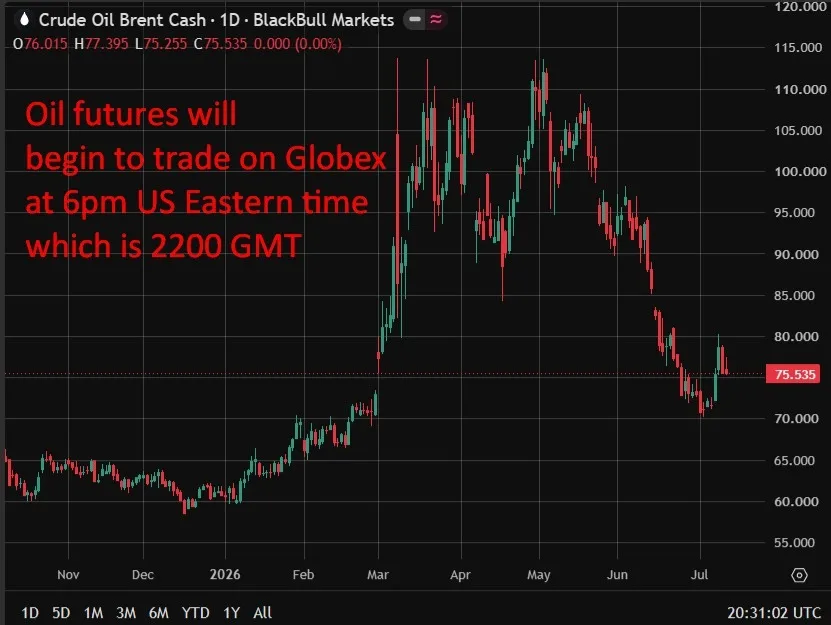
A four-month conflict between Iran and the United States lurched into dangerous new territory over the weekend, as Tehran extended missile and drone strikes to Gulf neighbors that had largely avoided attack and again declared the Strait of Hormuz closed to unauthorized shipping. The expansion of Iranian strikes to Qatar and the United Arab Emirates — both of which had been spared for months — marks a qualitative shift that energy markets are likely to interpret as a genuine supply-risk event rather than a manageable flare-up along familiar fault lines.
US Central Command reported striking more than 300 Iranian military targets over three consecutive nights, including roughly 140 on Saturday alone. American forces also reportedly targeted Iranian missile and air defense systems as well as Islamic Revolutionary Guard Corps speedboats operating near the strait, according to a senior US official cited by Axios. Iran's Persian Gulf Strait Authority declared the waterway closed, stating that transit permits would resume only once "stability and calm" return — language that offers no concrete off-ramp and leaves markets guessing about the corridor's functional status.
Read more Citigroup Stands Out in Bank Earnings Season — But Challenges Remain →
The humanitarian and diplomatic fallout is already widening. Qatar, which had been serving as a mediator in ceasefire talks, reported three people injured by falling shrapnel and placed full responsibility on Tehran. Kuwait reported damage to an oil drilling platform, Bahrain said it intercepted multiple aerial attacks, and Oman confirmed drone strikes across two regions. A container vessel off the Omani coast was also attacked, leaving one Indian national missing after 23 crew members were rescued.
Adding a layer of political uncertainty, Iran's new supreme leader Mojtaba Khamenei — whose public appearances have been notably limited since taking power — issued a written statement vowing revenge for his father's death in the February strike that triggered the conflict. His continued absence from public view complicates outside efforts to read Tehran's command intent, a dynamic that markets may price as elevated escalation risk. Meanwhile, the US revocation of licenses permitting Iranian crude sales removes additional barrels from global supply, providing a further upward push on benchmark oil prices at a politically sensitive moment ahead of US midterm elections.
Continue reading at Forexlive.