Iran Faces Uphill Battle Clearing Oil Stockpiles Post-Sanctions
Even if sanctions are lifted, Iran may struggle to sell off its oil inventories as global supply grows and Chinese demand softens.
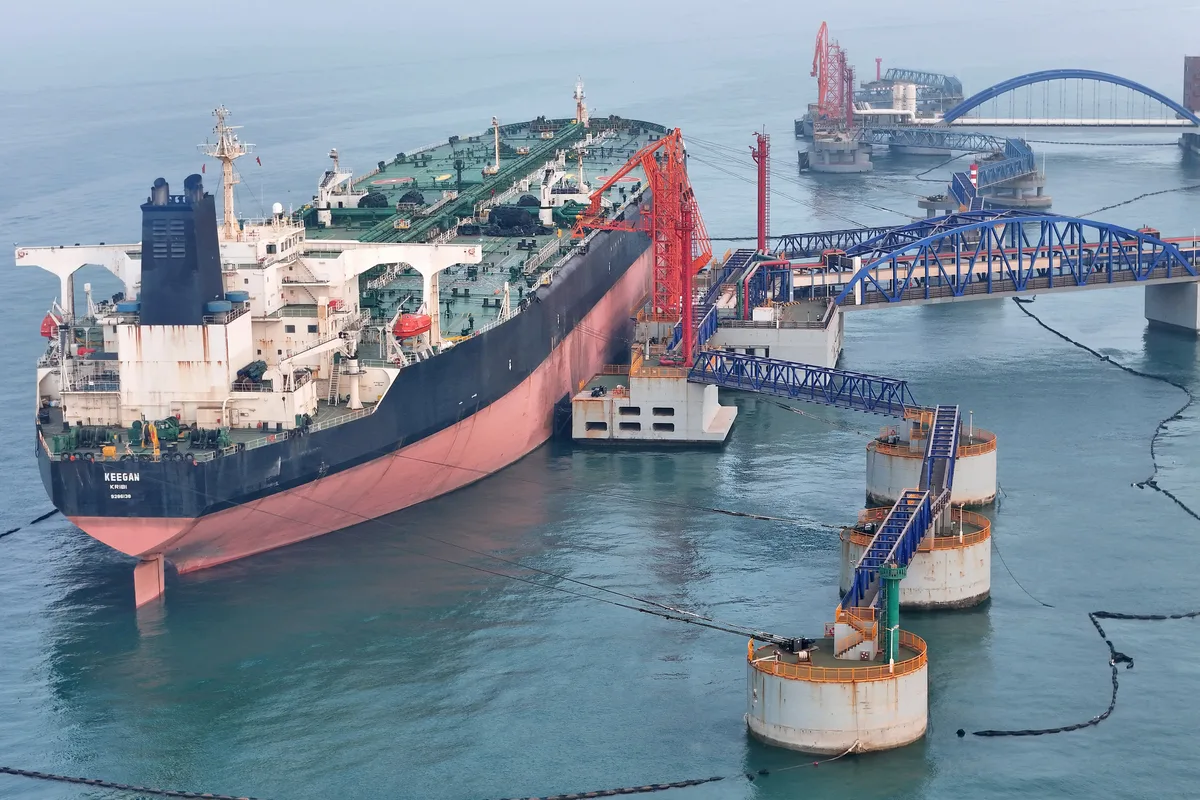
A potential sanctions relief deal for Iran has long been framed as a moment when barrels bottled up for years could finally flood back into global markets. Yet the reality facing Tehran may be far more complicated than a simple tap-and-sell scenario. The broader oil landscape has shifted considerably, and Iran's ability to move its accumulated inventories quickly is now seriously in question.
The central challenge is one of timing and competition. Global oil supplies have expanded from multiple sources, meaning the market Iran hopes to re-enter is considerably more crowded than it was when sanctions first bit. When supply is abundant, buyers gain leverage — and Iran, returning from a position of isolation, is not ideally placed to dictate terms or pricing.
Read more Tech Stocks Rally Late Monday in Broad Sector Advance →
China has historically served as Iran's most important lifeline, absorbing discounted barrels when Western buyers stayed away. But Beijing's appetite for crude appears to be moderating, reflecting both a broader economic slowdown and efforts to diversify energy sources. If China is less willing to absorb large volumes at the pace it once did, Tehran loses the one consistent outlet that kept some oil revenue flowing during the sanctions years.
The analytical implication here is significant: sanctions relief, if and when it arrives, may not deliver the immediate revenue windfall that Iranian leadership — or indeed oil market bears — might anticipate. Clearing inventories takes time even under favorable conditions, and the current environment is anything but favorable for a new market entrant carrying large stockpiles and limited negotiating power. The market will absorb Iranian oil eventually, but the pace could be far slower than political timelines suggest.
For global oil prices, a delayed Iranian re-entry could paradoxically offer some near-term support, tempering fears of an immediate supply surge. Traders and policymakers alike would do well to watch not just whether sanctions are lifted, but how quickly Iran can actually convert stored crude into realized revenue. Continue reading at US Top News and Analysis.