Iran Escalation Threats Put Oil, Gold, and Stocks on Edge
Iran's parliament speaker warned of a heavier response to U.S. strikes on tankers, putting Hormuz shipping and energy markets on high alert.
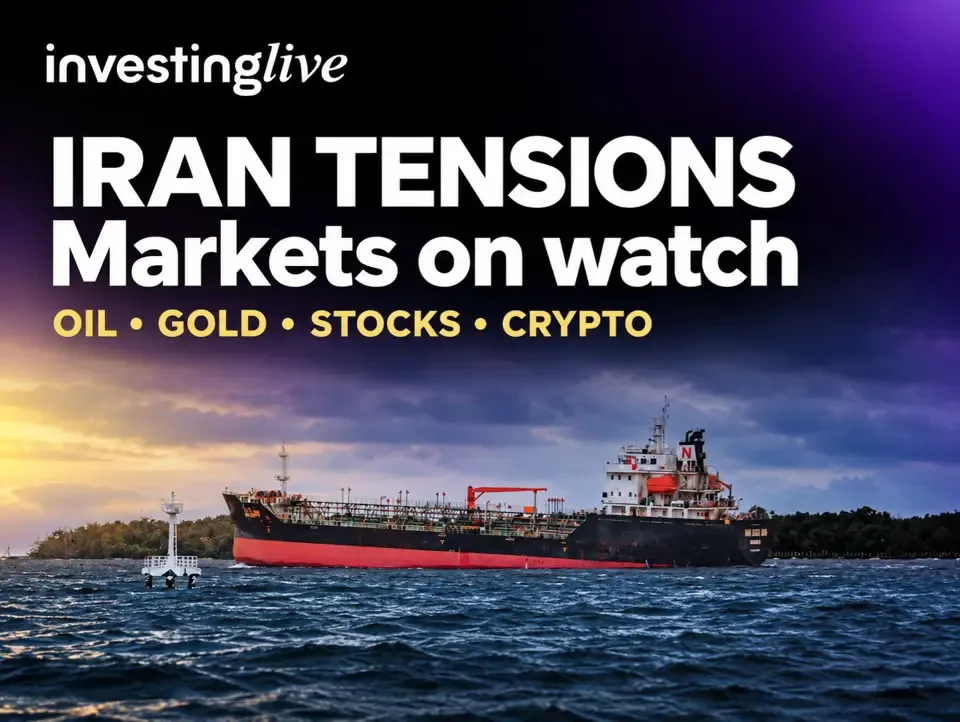
A sharp exchange of military strikes between the United States and Iran has reintroduced geopolitical risk into markets at an awkward moment — heading into a long American holiday weekend. Iran's Parliament Speaker Mohammad Bagher Ghalibaf warned that any further attacks on Iran would draw a "faster, heavier and more painful" response, days after U.S. Central Command acknowledged striking three Iranian crude-oil tankers. The Pentagon said the strikes followed Iranian ballistic-missile attacks on two U.S. Navy ships, with no American casualties reported. Iran's Revolutionary Guard separately claimed it targeted three U.S.-affiliated vessels and several tankers it alleged were using an unauthorized route through the Strait of Hormuz — a claim that remains unverified in terms of damage and operational impact.
For investors, the core economic risk is straightforward even if its magnitude is not: sustained disruption to shipping through Hormuz could tighten global oil supply, push energy costs higher, and ripple through corporate earnings and consumer spending. Higher energy prices would also complicate an already delicate inflation picture for central banks. That said, a threatening statement is a very different thing from a quantified supply loss. Markets will need to weigh actual shipping disruption data, verified damage assessments, and signals about whether the confrontation is broadening or being contained.
Read more Salesforce AI Metrics Restore Benioff's Confidence in CRM →
With U.S. equity markets closed Monday for Labor Day and not reopening until Tuesday, September 8, traders face an extended period of uncertainty with limited hedging outlets. Cryptocurrency markets — specifically Bitcoin and Ethereum — will trade through the weekend and may offer an early, if imperfect, read on risk appetite. A sustained crypto selloff following further escalation headlines could indicate broader risk aversion, though weekend liquidity constraints and crypto-specific dynamics can amplify price moves in ways that don't reliably predict equity market direction.
The more meaningful signals will arrive in crude futures — Brent and WTI — alongside gold. Persistent strength in oil prices combined with verified shipping disruptions would validate a bullish energy thesis. A quick reversal of any initial spike would suggest markets are pricing the confrontation as containable. Gold, traditionally a safe-haven during geopolitical stress, is worth watching for whether demand translates into sustained buying rather than a reflexive and short-lived bid. Futures for major U.S. indexes will also be in focus before the Tuesday open, with holiday trading hours varying by contract and broker.
The situation carries genuine uncertainty. Escalatory rhetoric has preceded de-escalation before, and markets have repeatedly underpriced and overpriced Middle East conflict risk. The analytical discipline here is to distinguish between what has been confirmed — strikes occurred, tankers were hit, warnings were issued — and what remains speculative: how much supply is actually affected and how durable any disruption will prove. Continue reading at Forexlive.